Schedule
Book a telehealth appointment from wherever you are. No insurance necessary.

 Main Menu
Achieve your weight-loss goals with GLP-1 treatments like Wegovy® and Zepbound®, guided by licensed providers every step of the way.
Personalized care for women, with HRT and lifestyle support to ease menopause symptoms and restore balance.
Personalized care for men, with treatments for testosterone, sexual health, hair loss, and more.
Simple, supportive mental health care on your terms, including access to prescription medication when appropriate.
Care without the wait—connect 24/7 with licensed providers for same-day prescription refills and common concerns like colds, flu, rashes, and more.
Talk to a doctor anytime, anywhere — 24/7 urgent & primary care with a telehealth visit in under one hour.
Get your medication prescribed online and sent same-day to your local pharmacy for pickup.
Save time, money, and the hassle — no in-person visits or insurance required.


Prescription treatments are tailored to your specific condition, ensuring effective relief.

Urgent evaluation is crucial to identify your condition early and prevent complications.
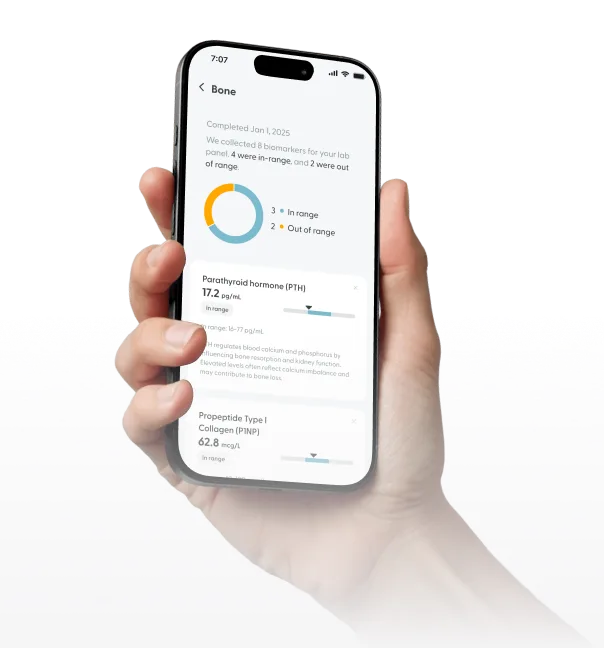
Accurate testing, if needed, can confirm your diagnosis and guide the best course of treatment

Licensed providers can send prescriptions to your local pharmacy within an hour, day or night.

step 1
Book a telehealth appointment from wherever you are. No insurance necessary.

step 2
Meet with a board-certified doctor or nurse practitioner from your mobile device.
step 3
Get a prescription if needed (save up to 90%), and pick it up at your pharmacy.
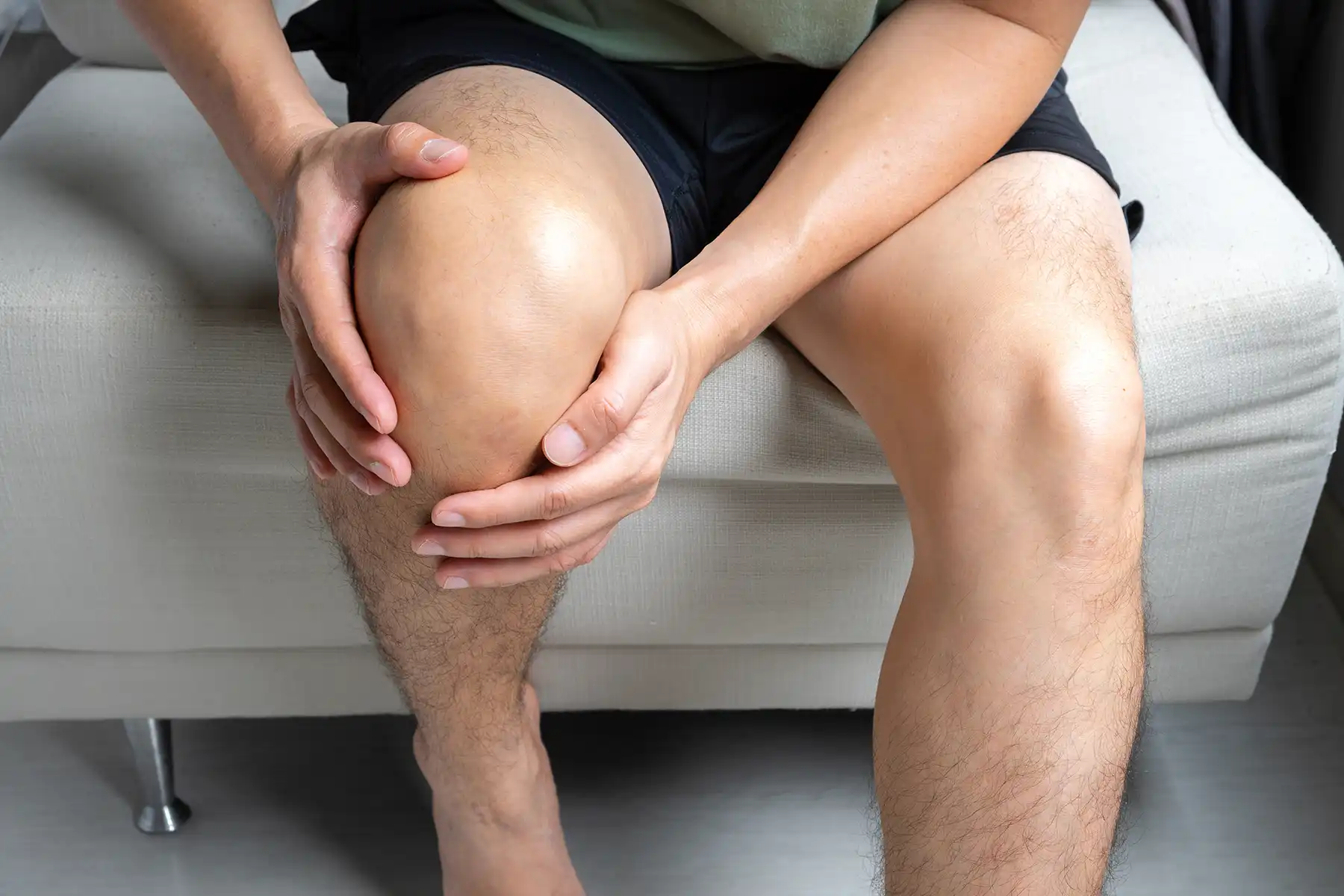
Joint pain can be caused by a variety of conditions, including autoimmune diseases, injury, or normal wear and tear associated with aging. It can be a significant source of discomfort and can negatively impact daily activities.
If you’re experiencing joint pain, it’s important to consult with a licensed healthcare provider who can help determine the underlying cause. A treatment plan tailored to your specific needs – which may include medications, physical therapy, or lifestyle modifications – can help prevent further damage to your joints and improve your overall quality of life.
Get Started Get Started
Total Cholesterol

37 mg/mL
In range

LDL (Low-Density Lipoprotein)
47 mg/mL
In range

Triglycerides
158 mg/mL
Above range


Medications that reduce inflammation, which can help alleviate pain and swelling in the joints. Examples include ibuprofen (Advil, Motrin IB), naproxen (Aleve), and celecoxib (Celebrex).
Medications that work by reducing inflammation in the joints, which can help alleviate pain and swelling. Examples include prednisone (Deltasone, Rayos) and methylprednisolone (Medrol).
A common pain reliever that can treat mild to moderate pain. It works by blocking the production of certain chemicals in the body that cause pain and inflammation.
“Dr. Puopolo is a very knowledgeable doctor with vast experience in different medical fields. I feel I am in good hands.”
Verified Patient

“Great experience!! Never have done online telehealth before but for sure will again :)”
Verified Patient
“Dr. Culpepper was amazing. He explained things to me that I didn’t understand.”
Verified Patient
“Dr. Sehgal was amazing! Super helpful. She was answering my questions before I even asked. Very happy I picked her.”
Verified Patient
"The appointment went great. It was quick and easy, and the doctor was right on top of things!"
Verified Patient
Reviews shown are from verified LifeMD patients across various services. Photos are for illustrative purposes only.

Alleviating joint pain starts with working with a healthcare provider to determine the underlying cause. From there, a treatment plan can be developed that is right for you. Some treatment options for joint pain may include taking over-the-counter pain relievers, exercising, applying heat or cold therapy, maintaining a healthy weight, and considering alternative therapies such as massage or acupuncture.
Joint pain has been reported as a symptom of COVID-19 in some people. While symptoms such as cough, fever, and congestion are some of the more common symptoms of COVID-19, the virus can also cause a range of other symptoms, including fatigue, muscle aches, and joint pain.
Keep in mind that joint pain can also be caused by many other conditions, so it’s important to speak with a healthcare provider if you’re experiencing joint pain.
Yes, low iron levels in the body can cause joint pain. Iron is essential for the production of hemoglobin, which is a protein in red blood cells that carries oxygen throughout the body. When someone is deficient in iron, their body can’t produce enough hemoglobin. This leads to anemia. Anemia can cause a variety of symptoms, some of which include fatigue, weakness, and joint pain.
In addition, iron plays an important role in the health and maintenance of connective tissues such as tendons and ligaments. A lack of iron may contribute to the breakdown of these tissues, causing joint pain.
Joint pain in the hands can be caused by a variety of factors. Some common causes include arthritis, carpal tunnel syndrome, tendonitis, and repetitive strain injuries.
Other causes of hand pain can include infections, nerve damage, and fractures. It is important to speak with a healthcare provider to determine the underlying cause of your hand pain and develop a treatment plan that’s right for you.
The duration of joint pain will vary depending on the underlying cause. Acute joint pain, which is often caused by injury or inflammation, typically lasts for a few days to a few weeks. Chronic joint pain, on the other hand, can last for months or even years. It is important to seek medical attention if your joint pain persists or worsens over time, as it could be a sign of a more serious underlying condition.
There are a number of ways to alleviate pain in the SI joint. The SI joint, or sacroiliac joint, is located in the lower back where the sacrum bone joins the ilium bone of the pelvis. The joint is responsible for transmitting forces between the upper body and the legs during movement.
Applying heat or ice to the SI joint can help reduce inflammation and alleviate pain. In addition, stretching exercises can help relieve tension in the muscles around the joint. Physical therapy can also be beneficial for some people, as it can help strengthen the muscles in the area and improve flexibility. Over-the-counter pain medications (such as ibuprofen or acetaminophen) can also help alleviate pain.
While joint pain can be a symptom of a serious health condition, it’s not always a cause for serious concern. Oftentimes, joint pain can be the result of minor injuries or strains, overuse, or simply aging. However, if joint pain is persistent, significantly affects daily activities, or is accompanied by other concerning symptoms, be sure to consult with a healthcare provider. With the proper care and attention, most cases of joint pain can be effectively managed.

Family Medicine
4.93 stars 170 reviews

Internal Medicine
4.98 stars 178 reviews

Internal Medicine
4.92 stars 261 reviews

Family Medicine
4.94 stars 178 reviews

Hormone Specialist
4.92 stars 163 reviews