
What is Ozempic® Microdosing?

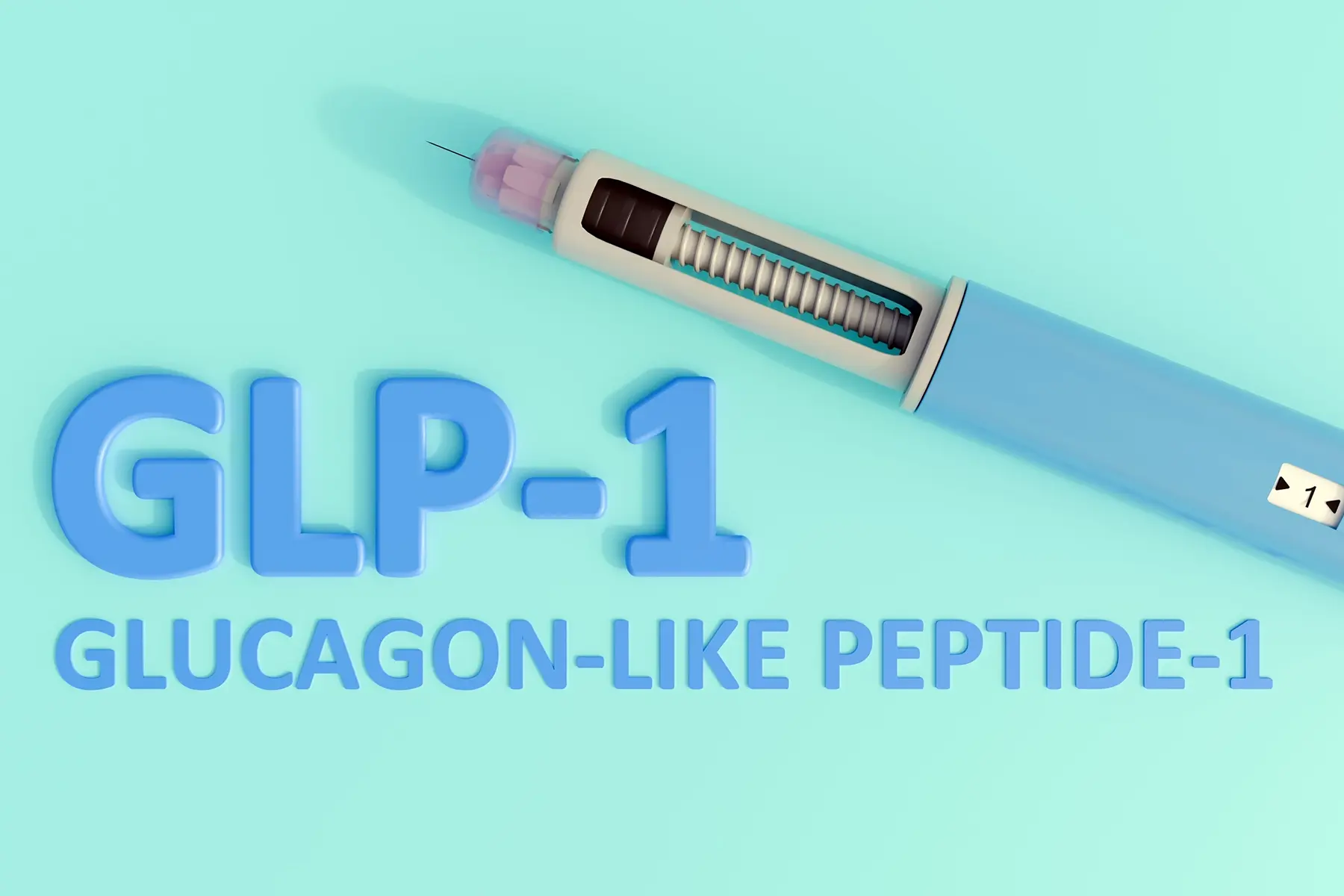
GLP-1 medications are among the most effective methods for weight loss management. They work by mimicking the hormone glucagon-like peptide-1 (GLP-1) to stimulate insulin production, regulate blood sugar levels, and reduce appetite.
Ozempic®(semaglutide) is a prescription medication indicated for the treatment of type 2 diabetes to help improve blood sugar control. While it’s not FDA-approved for weight loss, a healthcare provider may prescribe it "off-label" if they determine it is clinically appropriate for a patient. Off-label prescribing is when a medication is prescribed for a different condition, purpose, or dose than has been approved by FDA.
Ozempic® microdosing means taking smaller doses than the standard recommendation. Since everyone responds to Ozempic® differently, some people are more prone to side effects than others — so a healthcare provider may suggest microdosing if it's a better fit for your health needs. But studies on the effects of microdosing remain limited and semaglutide has not been studied or approved by the FDA at doses below those set forth in FDA-approved labeling.
Get prescription weight loss medication online.
Find out if you're eligible for GLP-1s, and get started on your weight loss journey for as low as $75/month.


What Ozempic® Side Effects Do People Typically Experience?
When taking Ozempic®, you may experience the following common side effects:
Headache
Nausea
Diarrhea
Vomiting
Dizziness
Loss of appetite
However, for some people, these potential side effects lessen after the first dose. Health experts recommend staying hydrated and maintaining a well-balanced diet while taking Ozempic®. Not only can this enhance weight loss, but it can also help you improve your overall health while taking the medication.
How Does Ozempic® Microdosing Work?
Regular doses of Ozempic® work by lowering high blood sugar, stimulating insulin, and slowing down digestion to curb cravings. However, there is currently no rigorous scientific evidence or clinical trials demonstrating that microdosing Ozempic® — using smaller than FDA-approved doses of semaglutide — effectively lowers blood sugar or supports weight management.
Lower dosing may help the body adjust to the medication more gradually and may reduce the severity of side effects. However, it’s still possible to experience side effects while microdosing Ozempic® (semaglutide).
Traditional Ozempic® injection dosages distribute semaglutide at least once weekly. You can inject the medication into your thigh, abdomen, or upper arm. Health experts recommend changing the injection site weekly.
Ozempic® microdosing schedule
Because there is a lack of research on the safety and effectiveness of Ozempic® microdosing, no official Ozempic® microdosing schedule exists. The dosages you microdose may vary depending on your provider’s recommendation and which version of the pen you have.
The following chart is a general estimation of what microdosing may look like depending on prescribed dosage:
Ozempic® Pen Strength | Recommended Dosage | Microdosage |
0.25/0.5 mg | 0.5 mg weekly | 0.06 - 0.4 mg (9 to 59 clicks) |
1 mg | 1 mg weekly | 0.12 - 0.8 mg (9 to 59 clocks) |
2 mg | 2 mg weekly | 0.25 - 1.6 mg (9 to 59 clicks) |
How is Ozempic® Microdosing Different from Traditional Recommended Dosages?
Currently, there is not enough research on the effectiveness of microdosing to accurately compare it to traditional Ozempic® dosages.
If you’re interested in microdosing, meet with a licensed healthcare provider to learn more about how it may affect your individual health. Generally, microdosing may not be the safest option for everyone.
What are the Potential Benefits of Ozempic® Microdosing?
Microdosing may reduce the severity of common GLP-1 gastrointestinal side effects. Gradually exposing the body to semaglutide can help your system adjust slowly to the effects of the medicine and may reduce nausea, bloating, and other gastrointestinal symptoms patients may experience. However, there is still a lack of evidence on how effective microdosing is in reducing the severity of side effects.
There are several scenarios where microdosing may offer practical benefits:
Transitioning between GLP-1 medications: Microdosing can support a smoother switch between GLP-1 medications through gradual dose adjustments, helping improve your body's therapeutic response.
Dose escalation or de-escalation: A controlled, step-by-step increase or decrease in dosage can make necessary dose changes safer and more manageable.
Poor tolerability: For those who experience severe GI side effects, starting with a lower dose and increasing slowly can improve tolerability and help avoid disruptions to treatment.
Cost savings: For patients paying out of pocket, microdosing can extend the use of each pen — reducing costs and improving access for those without insurance coverage.
What are the Risks of Ozempic® Microdosing?
Due to the lack of research behind microdosing, there is a risk that taking less than the recommended dosage may be subtherapeutic and allow the underlying condition being treated to worsen. For example, health experts have found that those with a history of cognitive impairment may see their health worsen if medications like Ozempic® are taken below recommended dosages.
Be sure to speak with your healthcare provider about whether Ozempic® microdosing is safe for you before starting treatment. They can give you personalized advice based on your personal health profile and needs.
See more important safety information here.
Where Can I Learn More About Weight Loss Treatment?
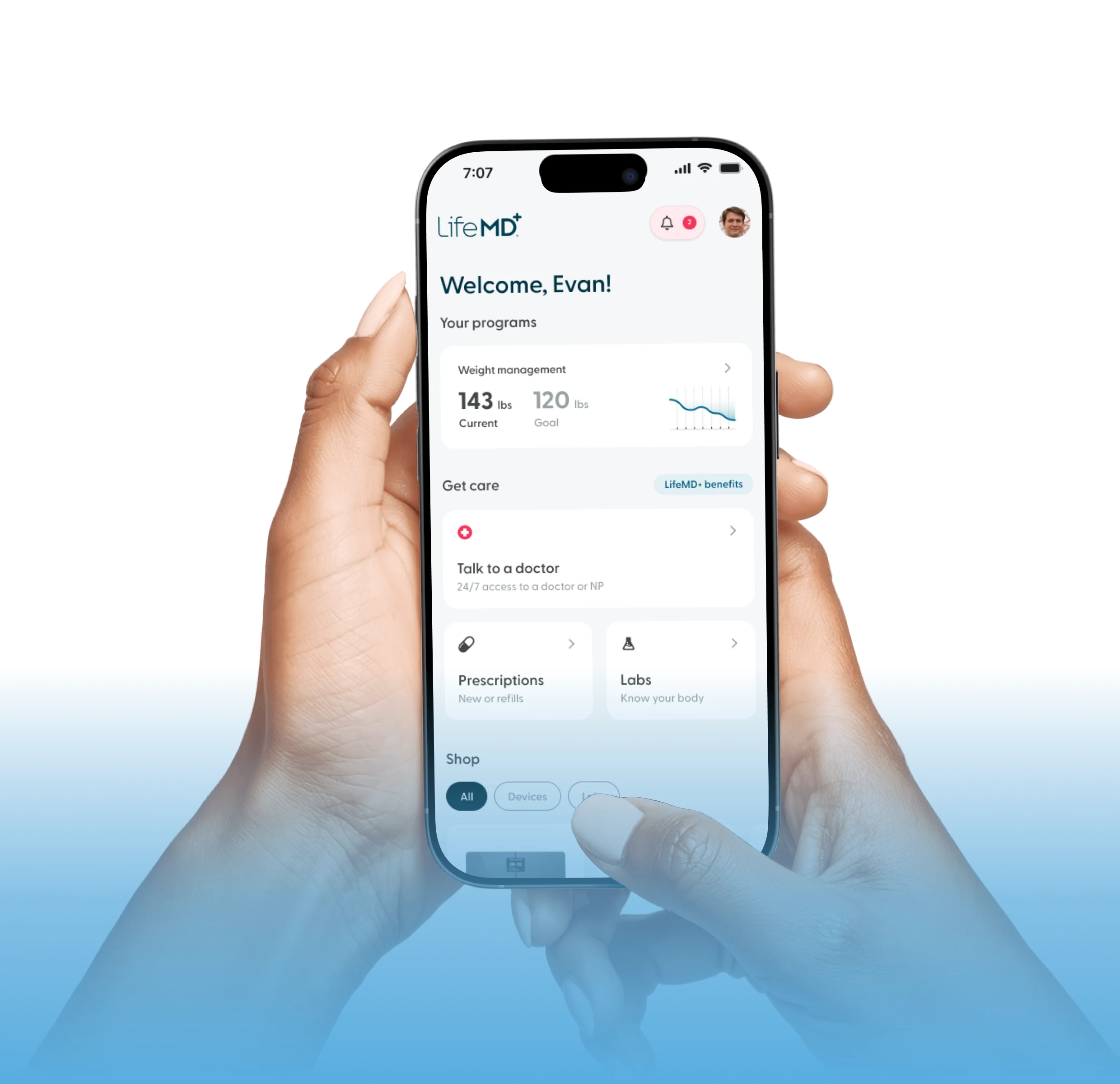
Weight loss requires long-term consistency and support. With the LifeMD Weight Management Program, you receive access to FDA-approved weight loss medications like Wegovy® and Zepbound®, if you qualify. With LifeMD, you can also receive personalized nutritional advice and guidance while on your weight loss journey.
When you join the LifeMD Weight Management Program, you’ll also receive access to LifeMD+ benefits. LifeMD+ members have access to secure messaging with a licensed healthcare provider and exclusive membership perks.
Get started with LifeMD today to begin your journey towards better health.