Schedule
Book a telehealth appointment from wherever you are. No insurance necessary.

 Main Menu
Achieve your weight-loss goals with GLP-1 treatments like Wegovy® and Zepbound®, guided by licensed providers every step of the way.
Personalized care for women, with HRT and lifestyle support to ease menopause symptoms and restore balance.
Personalized care for men, with treatments for testosterone, sexual health, hair loss, and more.
Simple, supportive mental health care on your terms, including access to prescription medication when appropriate.
Care without the wait—connect 24/7 with licensed providers for same-day prescription refills and common concerns like colds, flu, rashes, and more.
Talk to a doctor anytime, anywhere — 24/7 urgent & primary care with a telehealth visit in under one hour.
Get your medication prescribed online and sent same-day to your local pharmacy for pickup.
Save time, money, and the hassle — no in-person visits or insurance required.


Prescription treatments are tailored to your specific condition, ensuring effective relief.

Urgent evaluation is crucial to identify your condition early and prevent complications.
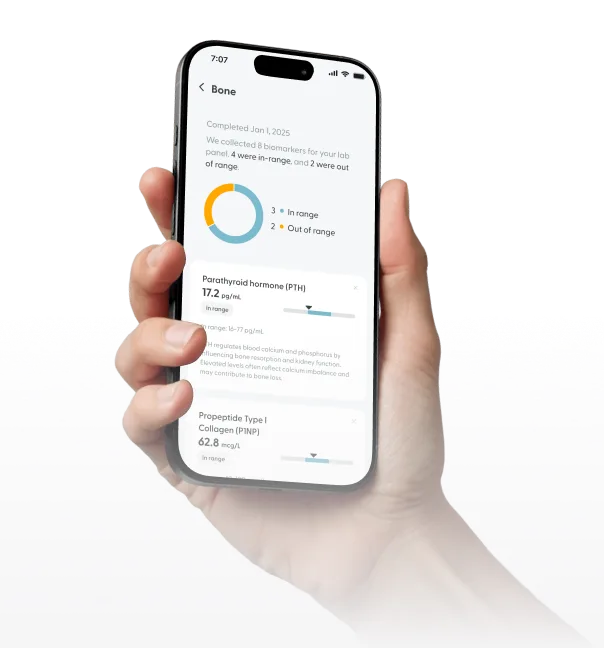
Accurate testing, if needed, can confirm your diagnosis and guide the best course of treatment

Licensed providers can send prescriptions to your local pharmacy within an hour, day or night.

step 1
Book a telehealth appointment from wherever you are. No insurance necessary.

step 2
Meet with a board-certified doctor or nurse practitioner from your mobile device.

step 3
Get a prescription if needed (save up to 90%), and pick it up at your pharmacy.
Animal bites are injuries caused by the teeth of animals breaking or puncturing the skin, which can introduce bacteria, viruses, or other pathogens into the wound, leading to infection or disease transmission. Many people underestimate animal bites or think minor bites don't require medical attention. Animal bites can cause puncture wounds, lacerations, and crushing injuries that carry high infection risk because animal mouths harbor bacteria, and some bites can transmit serious diseases like rabies or tetanus, whereas simple cuts or scrapes from other sources typically have lower infection rates and different treatment needs.
Animal bites can cause painful symptoms such as puncture wounds or torn skin, bleeding (sometimes severe), pain and tenderness at the bite site, swelling and redness, bruising, and signs of infection if not properly treated including increased pain, warmth, red streaking, pus, or fever. Getting the right treatment plan for animal bites can help prevent infection, ensure proper wound healing, provide rabies prevention if needed, update tetanus vaccination, and reduce the risk of complications like cellulitis, abscess formation, or systemic infection.
With LifeMD, you can get immediate guidance and prescriptions for minor animal bites online without an in-office appointment, though severe bites, facial bites, or high-risk exposures may still require in-person evaluation. Prescription antibiotics can effectively prevent infection when started promptly after an animal bite.
Get Started Get Started
Total Cholesterol

37 mg/mL
In range

LDL (Low-Density Lipoprotein)
47 mg/mL
In range

Triglycerides
158 mg/mL
Above range


Amoxicillin-clavulanate is a combination antibiotic that works by killing the bacteria most commonly found in animal bites, including both aerobic and anaerobic organisms. The clavulanate component prevents bacteria from becoming resistant to amoxicillin, making it highly effective for bite wounds. It's the first-line antibiotic for preventing and treating animal bite infections and is typically taken two to three times daily for five to 10 days depending on bite severity. Treatment should ideally start within 24 hours of the bite for best prevention of infection.
Doxycycline is a tetracycline antibiotic that works by stopping bacteria from producing proteins they need to survive, effectively treating the range of organisms that cause bite wound infections. It's often prescribed for people allergic to penicillin or as an alternative to amoxicillin-clavulanate. It's typically taken twice daily for seven to 10 days and is particularly effective against Pasteurella species commonly found in cat and dog bites. It should be taken with food and adequate water, and sun protection is important as it can cause photosensitivity.
Clindamycin is an antibiotic that works by inhibiting bacterial protein synthesis, treating both aerobic and anaerobic bacteria found in animal bite wounds. It's often used in combination with another antibiotic like ciprofloxacin for comprehensive coverage, or as an alternative for people with penicillin allergies. It's typically taken three to four times daily for seven to 10 days. It's particularly effective against skin and soft tissue infections that can develop from animal bites, though it carries a risk of causing Clostridioides difficile (C. diff) diarrhea, so it should be used appropriately.
“Dr. Puopolo is a very knowledgeable doctor with vast experience in different medical fields. I feel I am in good hands.”
Verified Patient

“Great experience!! Never have done online telehealth before but for sure will again :)”
Verified Patient
“Dr. Culpepper was amazing. He explained things to me that I didn’t understand.”
Verified Patient
“Dr. Sehgal was amazing! Super helpful. She was answering my questions before I even asked. Very happy I picked her.”
Verified Patient
"The appointment went great. It was quick and easy, and the doctor was right on top of things!"
Verified Patient
Reviews shown are from verified LifeMD patients across various services. Photos are for illustrative purposes only.

If an animal bites you, take immediate action to reduce infection risk and assess severity. First, wash the wound thoroughly with soap and running water for at least five to 10 minutes – this is the single most important step to prevent infection. Control bleeding by applying gentle pressure with a clean cloth. Don't close the wound with tape or butterfly bandages as this can trap bacteria inside. Apply antibiotic ointment and cover with a clean bandage. Try to identify the animal and its vaccination status if it's a domestic pet – get owner information if possible. Seek immediate medical attention for severe bites, facial or hand bites, deep punctures, bites from wild or unknown animals, or if you haven't had a tetanus shot in five years.
For minor bites from known, vaccinated pets, contact a healthcare provider within 24 hours for evaluation and possible preventive antibiotics. Report the bite to local animal control, especially if the animal's rabies vaccination status is unknown. Watch for signs of infection over the next few days including increasing redness, swelling, warmth, pus, red streaks, or fever – seek immediate care if these develop.
Whether you should go to the hospital or use telehealth for an animal bite depends on the severity and type of bite:
Go to the emergency room or urgent care immediately if:
• The bite is on the face, head, neck, hands, feet, or genitals
• The wound is deep, large, or won't stop bleeding
• You can see muscle, bone, or tendons through the wound
• The bite is from a wild animal, bat, or unknown animal (rabies risk)
• You have signs of infection (increasing redness, warmth, pus, red streaks, fever)
• You have a weakened immune system or diabetes
• The animal appeared sick or was acting strangely
Telehealth may be appropriate if:
• The bite is minor with minimal skin breaking
• It's from a known, healthy, vaccinated domestic pet
• The wound is on an arm, leg, or torso (not face/hands/feet)
• There's no heavy bleeding or deep tissue damage
• You can thoroughly clean the wound yourself
• You need preventive antibiotics or guidance on wound care
Critical note: Even minor-appearing animal bites can become seriously infected quickly, especially cat bites which create deep puncture wounds. When in doubt, seek in-person evaluation. Rabies exposure requires immediate emergency care – rabies is nearly 100% fatal once symptoms appear, so any bite from a wild animal, bat, or unvaccinated/unknown domestic animal is a medical emergency.
Be sure to provide your doctor with detailed information, such as:
• What type of animal bit you and whether it was wild or domestic
• The animal's rabies vaccination status if known
• When the bite occurred and where on your body
• How deep the wound is and whether it's still bleeding
• How you cleaned the wound and what you've done since
• Whether you have pain, swelling, redness, or signs of infection
• Your last tetanus shot date
• Whether you have diabetes, immune system problems, or other health conditions
• Current medications or any allergies
The more information you provide, the better your doctor can assess infection risk, determine if antibiotics are needed, and decide whether in-person evaluation is necessary.
LifeMD offers online animal bite consultations for minor bites and can provide prescriptions for preventive antibiotics when appropriate. You can have these sent to your local pharmacy, where your medication will be prepared for pick-up. However, severe bites, facial bites, or potential rabies exposure require immediate in-person medical evaluation.
When it comes to treating animal bites, preventive antibiotics work best when started within 24 hours of the bite – ideally within the first few hours. Once started, antibiotics help prevent infection from developing, though you won't necessarily "see" results if the goal is prevention. If infection has already begun, antibiotics typically show improvement within 24 to 48 hours, with reduced redness, swelling, and pain. Complete healing of the bite wound itself takes one to two weeks depending on severity, with proper wound care accelerating healing. Watch the wound closely for the first three to five days as this is when infection is most likely to develop.
If you notice increasing pain, spreading redness, red streaks, swelling, warmth, pus, or fever despite antibiotics, seek immediate medical attention as this indicates worsening infection requiring more aggressive treatment. Proper wound cleaning immediately after the bite is the most important factor in preventing infection and promoting quick healing.

Family Medicine
4.93 stars 170 reviews

Internal Medicine
4.98 stars 178 reviews

Internal Medicine
4.92 stars 261 reviews

Family Medicine
4.94 stars 178 reviews

Hormone Specialist
4.92 stars 163 reviews