Schedule
Book a telehealth appointment from wherever you are. No insurance necessary.

 Main Menu
Achieve your weight-loss goals with GLP-1 treatments like Wegovy® and Zepbound®, guided by licensed providers every step of the way.
Personalized care for women, with HRT and lifestyle support to ease menopause symptoms and restore balance.
Personalized care for men, with treatments for testosterone, sexual health, hair loss, and more.
Simple, supportive mental health care on your terms, including access to prescription medication when appropriate.
Care without the wait—connect 24/7 with licensed providers for same-day prescription refills and common concerns like colds, flu, rashes, and more.
Talk to a doctor anytime, anywhere — 24/7 urgent & primary care with a telehealth visit in under one hour.
Get your medication prescribed online and sent same-day to your local pharmacy for pickup.
Save time, money, and the hassle — no in-person visits or insurance required.
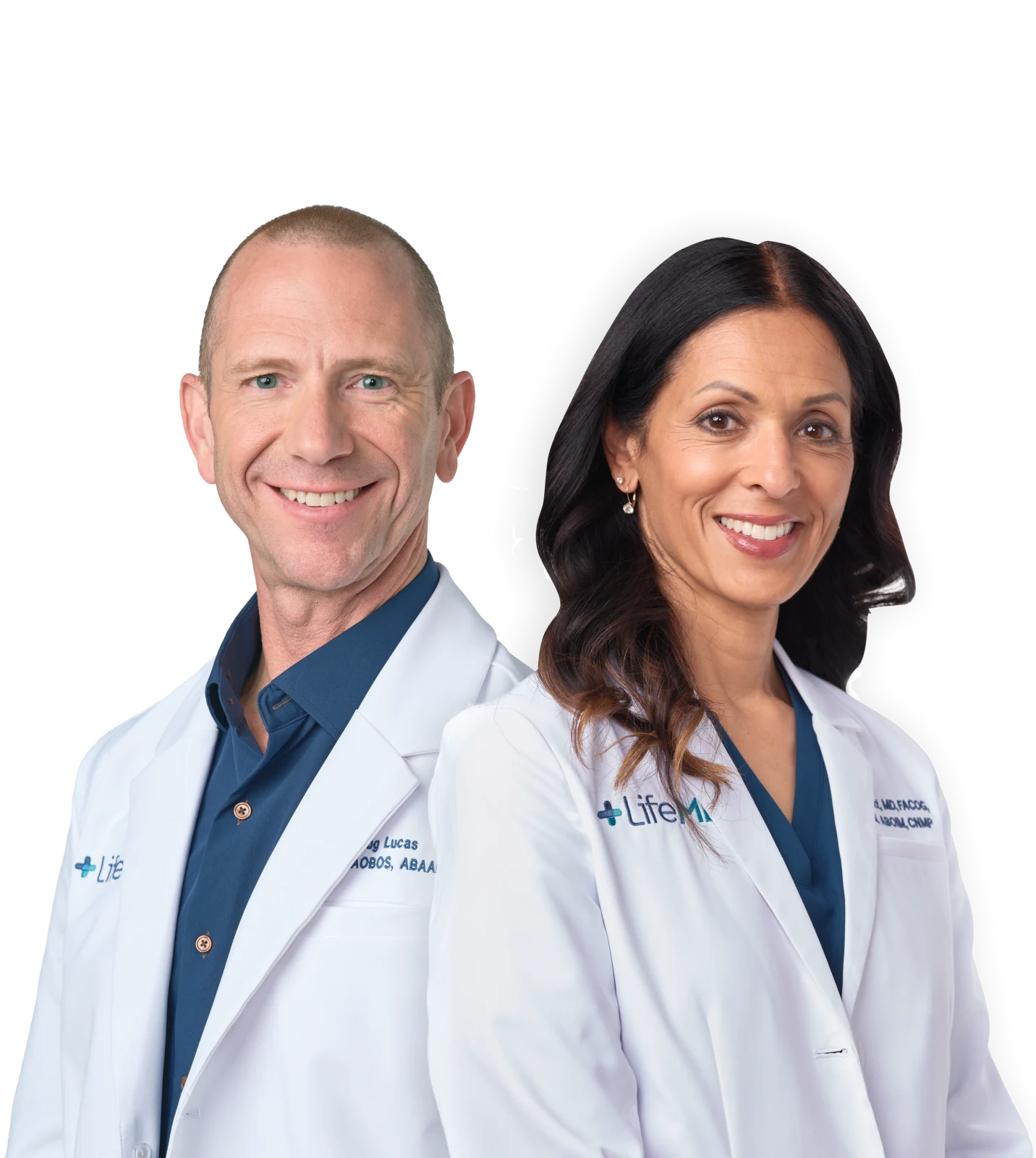

Prescription treatments are tailored to your specific condition, ensuring effective relief.

Urgent evaluation is crucial to identify your condition early and prevent complications.
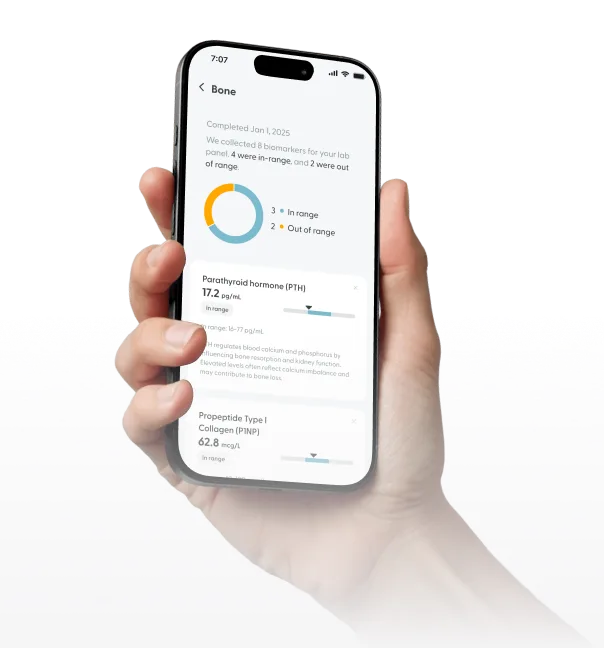
Accurate testing, if needed, can confirm your diagnosis and guide the best course of treatment

Licensed providers can send prescriptions to your local pharmacy within an hour, day or night.
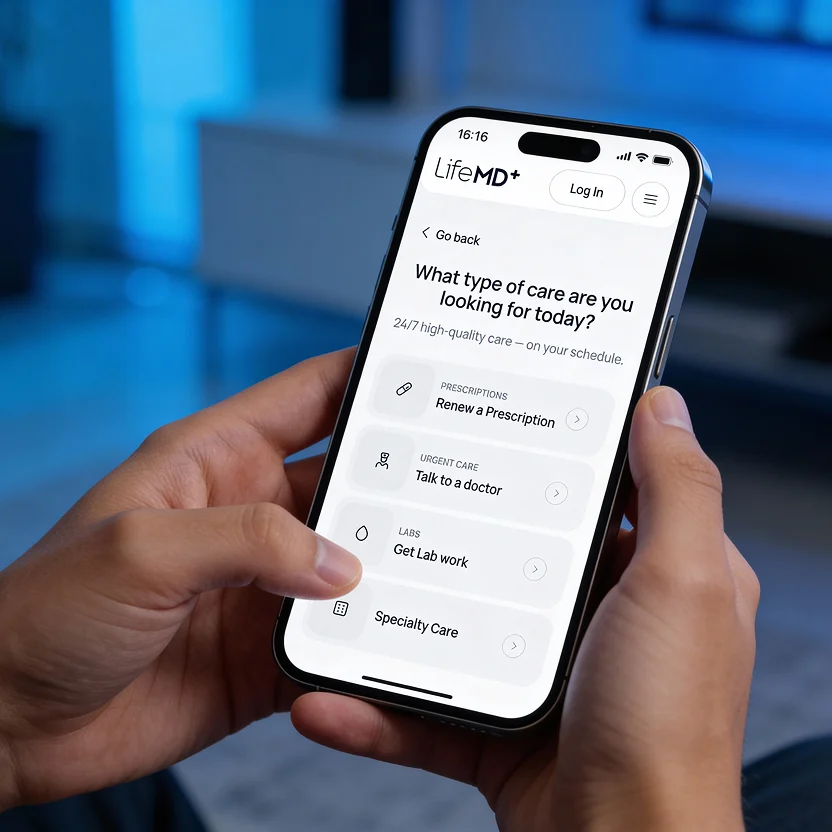
step 1
Book a telehealth appointment from wherever you are. No insurance necessary.

step 2
Meet with a board-certified doctor or nurse practitioner from your mobile device.
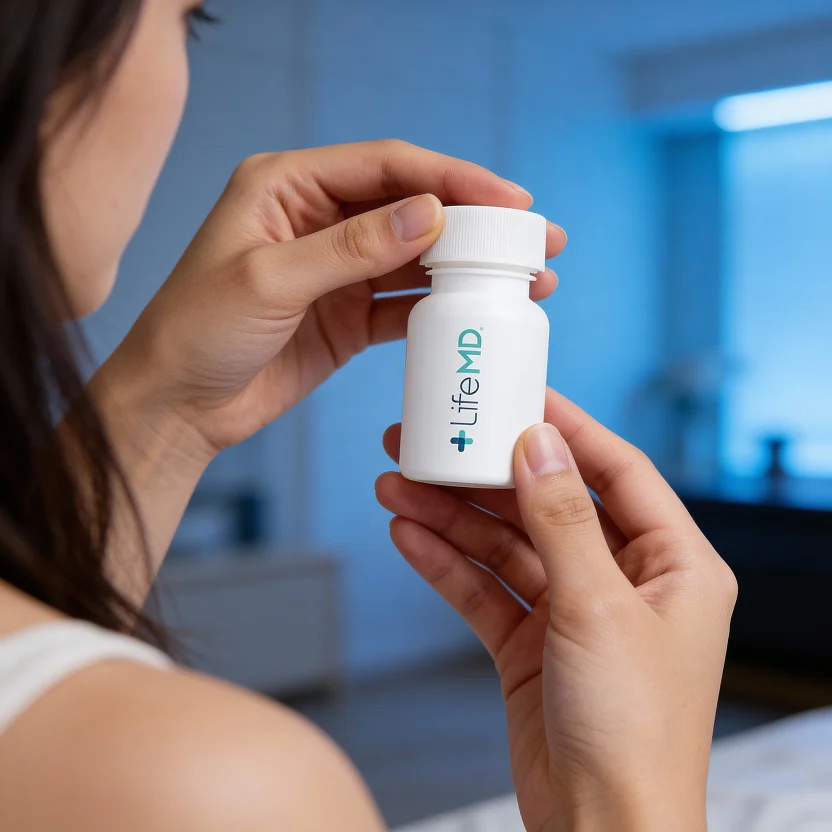
step 3
Get a prescription if needed (save up to 90%), and pick it up at your pharmacy.
COVID-19 is an infectious respiratory illness caused by the SARS-CoV-2 virus that was declared a global pandemic in March 2020. The virus spreads through respiratory droplets and close contact, and can cause a range of symptoms from mild to severe, including fever, cough, and shortness of breath.
At LifeMD, you can talk to a board-certified doctor or a nurse practitioner — right from home or wherever you are. We’ll assess your symptoms and write you a prescription, if needed.
Get Started Get Started
Total Cholesterol

37 mg/mL
In range

LDL (Low-Density Lipoprotein)
47 mg/mL
In range

Triglycerides
158 mg/mL
Above range


An expectorant that helps to thin and loosen mucus in the respiratory tract, making it easier to cough up and expel. It can be used to alleviate symptoms such as cough and chest congestion caused by COVID-19.
For people at risk of progression to severe COVID-19. Stops the replication process of the virus that causes COVID-19. This reduces one’s viral load and significantly lessens the severity of symptoms.
“Dr. Puopolo is a very knowledgeable doctor with vast experience in different medical fields. I feel I am in good hands.”
Verified Patient

“Great experience!! Never have done online telehealth before but for sure will again :)”
Verified Patient
“Dr. Culpepper was amazing. He explained things to me that I didn’t understand.”
Verified Patient
“Dr. Sehgal was amazing! Super helpful. She was answering my questions before I even asked. Very happy I picked her.”
Verified Patient
"The appointment went great. It was quick and easy, and the doctor was right on top of things!"
Verified Patient
Reviews shown are from verified LifeMD patients across various services. Photos are for illustrative purposes only.

Symptoms of COVID-19 can begin to appear anywhere from 2 to 14 days after exposure to the virus, with the average time being around 5-6 days. It’s important to note that some people infected with the virus may not experience any symptoms, but they can still transmit the virus to others. If you’ve been in close contact with someone who has tested positive for COVID-19, it’s important to monitor yourself for symptoms and take COVID-19 tests as a precaution.
The duration of COVID-19 symptoms can vary from person to person, but most people with mild to moderate COVID-19 symptoms will recover within two weeks. Common symptoms include fever, cough, fatigue, loss of taste or smell, and muscle aches. However, some people may experience symptoms that persist for several weeks or even months, a condition known as long COVID. It is important to monitor symptoms closely and seek medical attention if they worsen or persist.
It’s not fully understood why COVID-19 can cause brain fog. However, some studies suggest that the virus can directly affect the brain and cause inflammation, which can lead to cognitive impairment and other neurological symptoms. Additionally, the stress of the illness and the body's immune response to the virus may also contribute to brain fog.
The treatment of COVID-19 symptoms at home depends on the severity of the illness. For people with mild to moderate cases of COVID-19, home care may include resting, staying hydrated, and taking over-the-counter medications to relieve symptoms such as fever, cough, and body aches. It’s important to monitor symptoms closely and seek medical attention if they worsen or do not improve. For people with more severe cases of COVID-19, hospitalization and more intensive medical care may be necessary.
Yes, COVID-19 symptoms can sometimes get worse suddenly. This can happen at any point during the course of the illness, but it is more likely to occur in the second week after the onset of symptoms. The sudden worsening of symptoms is often a sign of a more severe form of the illness, such as COVID-19 pneumonia. If you or someone you know is experiencing sudden or severe symptoms, it’s important to seek medical attention immediately.
It’s possible to get COVID-19 back to back, meaning getting infected with the virus twice in a row with a short period in between. However, it is important to note that this is relatively rare and most people who recover from COVID-19 develop immunity that reduces the likelihood of reinfection for a period of time. However, the duration and strength of this immunity are not yet fully understood, and new variants of the virus may also impact immunity.
The length of time that a person can test positive for COVID-19 can vary. In general, people with mild to moderate cases of COVID-19 can continue to test positive for the virus for up to three weeks after their symptoms first appear. However, some people with more severe cases of the illness may test positive for a longer period of time.
Additionally, people who have recovered from COVID-19 may continue to test positive for the virus for several weeks or even months, but this is likely due to the detection of viral RNA fragments rather than active virus. It is important to follow the guidance of healthcare professionals to determine when it is safe to end isolation and return to normal activities.
Long COVID, also known as Post-Acute Sequelae of SARS-CoV-2 infection (PASC), is a condition where individuals continue to experience COVID-19 symptoms for weeks or even months after the initial infection has resolved. The symptoms can be wide-ranging and may include fatigue, shortness of breath, chest pain, brain fog, headache, and muscle or joint pain. The exact cause of long COVID is not yet fully understood, and it can affect individuals of any age, regardless of the severity of their initial COVID-19 infection. The condition can significantly impact a person's quality of life and may require ongoing medical management.

Family Medicine
4.93 stars 170 reviews

Internal Medicine
4.98 stars 178 reviews

Internal Medicine
4.92 stars 261 reviews

Family Medicine
4.94 stars 178 reviews

Hormone Specialist
4.92 stars 163 reviews