Schedule
Book a telehealth appointment from wherever you are. No insurance necessary.

 Main Menu
Achieve your weight-loss goals with GLP-1 treatments like Wegovy® and Zepbound®, guided by licensed providers every step of the way.
Personalized care for women, with HRT and lifestyle support to ease menopause symptoms and restore balance.
Personalized care for men, with treatments for testosterone, sexual health, hair loss, and more.
Simple, supportive mental health care on your terms, including access to prescription medication when appropriate.
Care without the wait—connect 24/7 with licensed providers for same-day prescription refills and common concerns like colds, flu, rashes, and more.
Talk to a doctor anytime, anywhere — 24/7 urgent & primary care with a telehealth visit in under one hour.
Get your medication prescribed online and sent same-day to your local pharmacy for pickup.
Save time, money, and the hassle — no in-person visits or insurance required.


Prescription treatments are tailored to your specific condition, ensuring effective relief.

Urgent evaluation is crucial to identify your condition early and prevent complications.
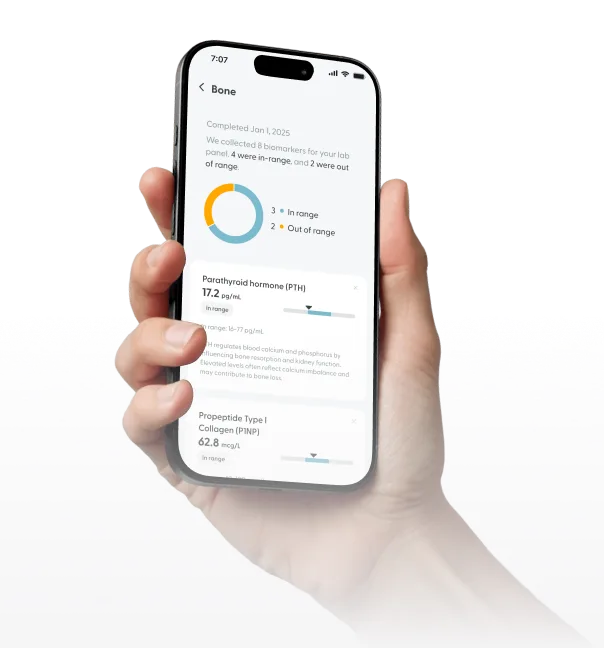
Accurate testing, if needed, can confirm your diagnosis and guide the best course of treatment

Licensed providers can send prescriptions to your local pharmacy within an hour, day or night.

step 1
Book a telehealth appointment from wherever you are. No insurance necessary.

step 2
Meet with a board-certified doctor or nurse practitioner from your mobile device.
step 3
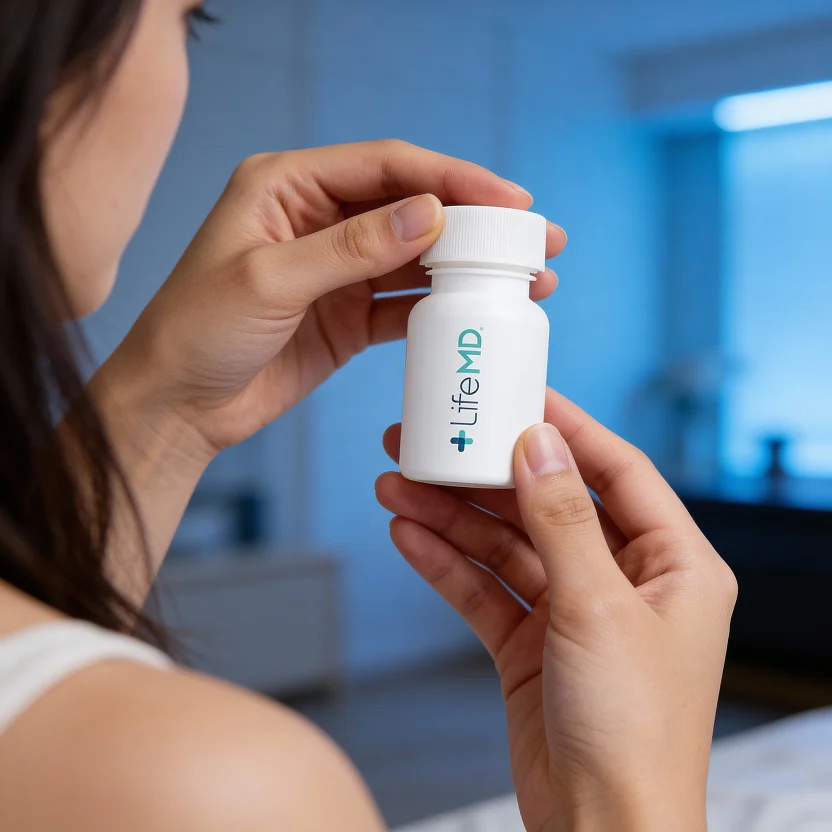
Get a prescription if needed (save up to 90%), and pick it up at your pharmacy.
Eczema, also known as atopic dermatitis, is a chronic skin condition that causes inflammation, redness, and intense itching, often appearing in patches on the skin. Many people confuse eczema with psoriasis or dry skin. Eczema causes red, inflamed, itchy patches that may ooze or become crusty, typically appearing in skin folds, whereas psoriasis produces thick, silvery scales on raised red patches and is caused by an overactive immune response.
Eczema can cause uncomfortable symptoms such as dry, sensitive skin, intense itching, red or brownish patches, small raised bumps that may leak fluid when scratched, and thickened or cracked skin from chronic scratching.
Getting the right treatment plan for eczema can help manage flare-ups, relieve itching, restore the skin barrier, and improve your quality of life.
With LifeMD, you can get immediate help and treatment online without an in-office appointment. Prescription medications can effectively manage eczema symptoms and help keep your skin healthy and comfortable.
Get Started Get Started
Total Cholesterol

37 mg/mL
In range

LDL (Low-Density Lipoprotein)
47 mg/mL
In range

Triglycerides
158 mg/mL
Above range


Triamcinolone acetonide is a mid-potency topical corticosteroid that works by reducing inflammation, itching, and redness associated with eczema flare-ups. It's applied directly to affected areas, usually once or twice daily, and helps calm the immune response in the skin that causes eczema symptoms. It's effective for treating moderate eczema on most areas of the body, though it should be used cautiously on sensitive areas like the face or skin folds.
Clobetasol propionate is a high-potency topical corticosteroid used for severe eczema that hasn't responded to milder treatments. It works by powerfully suppressing inflammation and reducing the intense itching and redness of stubborn eczema patches. It's typically applied once or twice daily for short periods (usually no more than two weeks at a time) to avoid side effects like skin thinning, and it's most appropriate for thick, persistent patches on the body rather than sensitive areas.
Tacrolimus is a topical calcineurin inhibitor that works by suppressing the immune response in the skin without the side effects associated with long-term steroid use, such as skin thinning. It's particularly useful for sensitive areas like the face, eyelids, and skin folds where steroids may not be ideal for extended use. It's typically applied twice daily and may cause a temporary burning or stinging sensation when first applied, though this usually decreases with continued use.
“Dr. Puopolo is a very knowledgeable doctor with vast experience in different medical fields. I feel I am in good hands.”
Verified Patient

“Great experience!! Never have done online telehealth before but for sure will again :)”
Verified Patient
“Dr. Culpepper was amazing. He explained things to me that I didn’t understand.”
Verified Patient
“Dr. Sehgal was amazing! Super helpful. She was answering my questions before I even asked. Very happy I picked her.”
Verified Patient
"The appointment went great. It was quick and easy, and the doctor was right on top of things!"
Verified Patient
Reviews shown are from verified LifeMD patients across various services. Photos are for illustrative purposes only.

No, eczema is not contagious. You cannot catch eczema from someone else or spread it to others through physical contact. Eczema is an inflammatory skin condition caused by a combination of genetic factors, immune system dysfunction, and environmental triggers. While the red, inflamed patches may look concerning, they pose no risk of transmission. If you have eczema, you can safely interact with others without worrying about spreading the condition.
Yes, eczema has a strong genetic component. If one or both parents have eczema, asthma, or hay fever (conditions collectively known as atopic diseases), their children are at higher risk of developing eczema. Research has identified specific gene mutations, particularly in the filaggrin gene, that affect the skin's ability to maintain a protective barrier, making people more susceptible to eczema.
However, genetics alone don't determine whether someone will develop eczema. Environmental factors, allergens, stress, and irritants also play significant roles in triggering and worsening the condition.
Online eczema treatments typically involve a virtual consultation with a licensed healthcare provider. During the consultation, you can discuss your symptoms, describe where eczema appears on your body and how severe it is, provide your medical history, and share photos of the affected areas to help your provider assess the condition.
You'll then receive a personalized treatment plan based on your needs, which may include prescription topical medications, moisturizers, and recommendations for managing triggers. Your healthcare provider may also suggest lifestyle modifications and skincare routines to help prevent future flare-ups.
It's important to be open and honest during your consultation to help your healthcare provider develop the most effective treatment plan. Be sure to provide your doctor with detailed information, such as:
• Your symptoms, including where eczema appears and how severe the itching is
• How long you've had eczema and whether it comes and goes
• Any triggers you've identified, such as certain soaps, fabrics, foods, or stress
• Previous treatments you've tried and their outcomes
• Underlying health conditions like asthma or allergies, current medications, or any allergies
The more information you can provide, the better your doctor can assess your eczema, prescribe appropriate medications, and help you develop strategies to manage and prevent flare-ups.
LifeMD offers online eczema treatments and can provide you with the prescriptions you need. You can have these sent to your local pharmacy, where your medication will be prepared for pick-up.
When it comes to treating eczema, mild to moderate flare-ups often improve within a few days to a week of starting prescription topical corticosteroids. You may notice reduced itching and redness within 24 to 48 hours, with continued improvement as you use the medication consistently.
For more severe eczema or when using other types of treatments like calcineurin inhibitors or biologics, it may take several weeks to see significant improvement. Maintaining a good skincare routine with regular moisturizing is essential for long-term management. If you don't see improvement after a week or two of treatment, or if symptoms worsen, contact your healthcare provider to adjust your treatment plan.

Family Medicine
4.93 stars 170 reviews

Internal Medicine
4.98 stars 178 reviews

Internal Medicine
4.92 stars 261 reviews

Family Medicine
4.94 stars 178 reviews

Hormone Specialist
4.92 stars 163 reviews