Schedule
Book a telehealth appointment from wherever you are. No insurance necessary.

 Main Menu
Achieve your weight-loss goals with GLP-1 treatments like Wegovy® and Zepbound®, guided by licensed providers every step of the way.
Personalized care for women, with HRT and lifestyle support to ease menopause symptoms and restore balance.
Personalized care for men, with treatments for testosterone, sexual health, hair loss, and more.
Simple, supportive mental health care on your terms, including access to prescription medication when appropriate.
Care without the wait—connect 24/7 with licensed providers for same-day prescription refills and common concerns like colds, flu, rashes, and more.
Talk to a doctor anytime, anywhere — 24/7 urgent & primary care with a telehealth visit in under one hour.
Get your medication prescribed online and sent same-day to your local pharmacy for pickup.
Save time, money, and the hassle — no in-person visits or insurance required.


Prescription treatments are tailored to your specific condition, ensuring effective relief.

Urgent evaluation is crucial to identify your condition early and prevent complications.
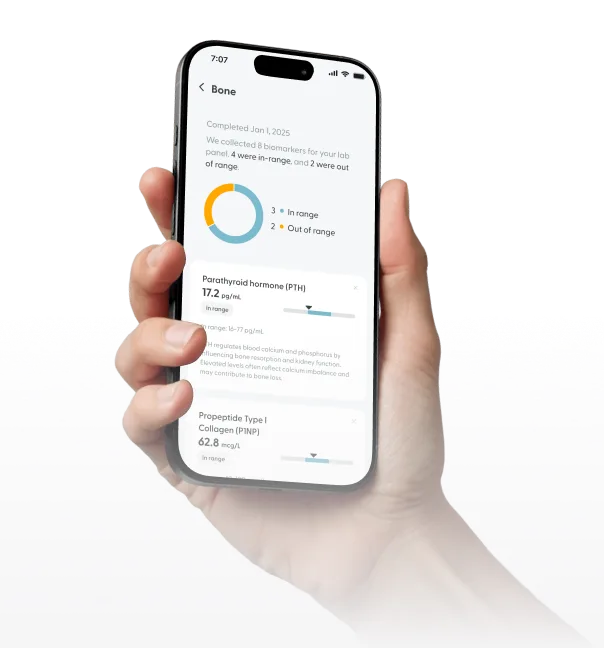
Accurate testing, if needed, can confirm your diagnosis and guide the best course of treatment

Licensed providers can send prescriptions to your local pharmacy within an hour, day or night.
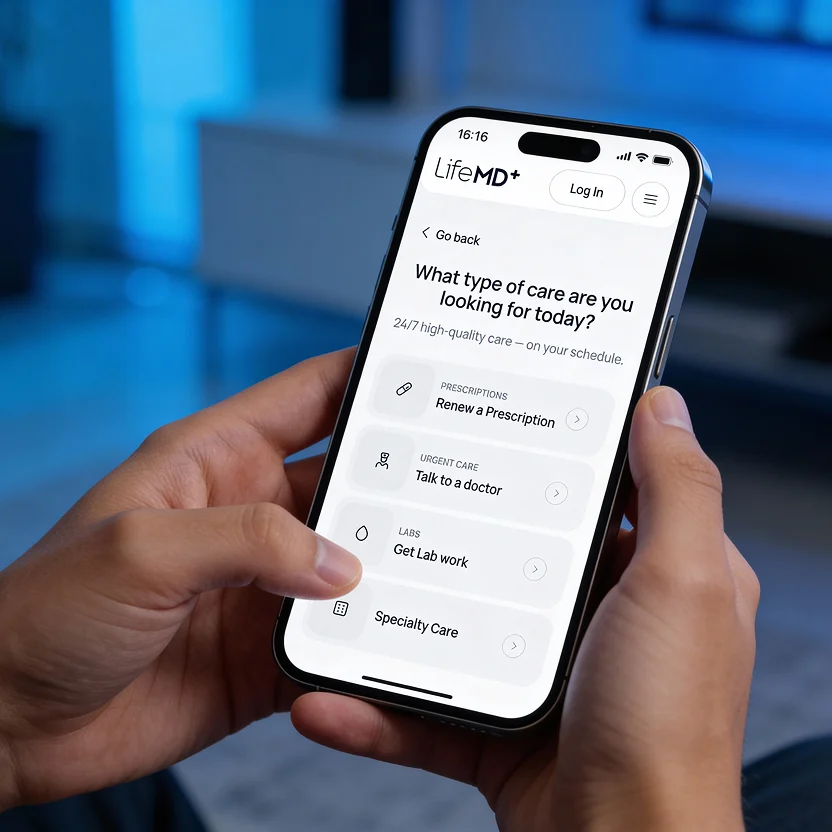
step 1
Book a telehealth appointment from wherever you are. No insurance necessary.

step 2
Meet with a board-certified doctor or nurse practitioner from your mobile device.
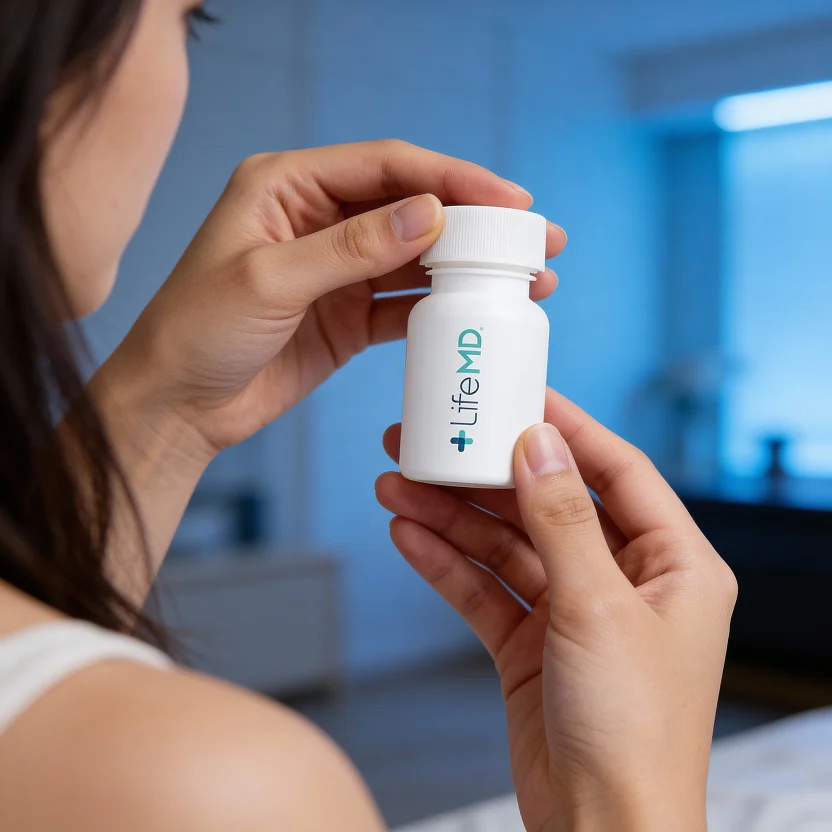
step 3
Get a prescription if needed (save up to 90%), and pick it up at your pharmacy.
Food poisoning is an illness caused by consuming contaminated food or beverages containing harmful bacteria, viruses, parasites, or toxins. Many people confuse food poisoning with the stomach flu. Food poisoning is caused by consuming contaminated food or water and typically causes sudden onset of nausea, vomiting, and diarrhea within hours of eating, whereas the stomach flu (viral gastroenteritis) spreads from person to person and may have a more gradual onset with similar symptoms.
Food poisoning can cause uncomfortable symptoms such as nausea, vomiting, diarrhea, abdominal cramps, fever, and in some cases, dehydration from fluid loss.
Getting the right treatment plan for food poisoning can help manage symptoms, prevent dehydration, and speed up recovery so you can feel better quickly.
With LifeMD, you can get immediate help and treatment online without an in-office appointment. Prescription medications can help manage food poisoning symptoms and support your recovery when over-the-counter remedies aren't enough.
Get Started Get Started
Total Cholesterol

37 mg/mL
In range

LDL (Low-Density Lipoprotein)
47 mg/mL
In range

Triglycerides
158 mg/mL
Above range


Ondansetron is an anti-nausea medication that works by blocking serotonin receptors in the brain and gut that trigger nausea and vomiting. It's highly effective for severe nausea associated with food poisoning and helps you keep fluids down to prevent dehydration. It's typically taken as a dissolving tablet or regular tablet every eight hours as needed, and relief usually occurs within 30 minutes to an hour. It's particularly useful when vomiting is so severe that oral rehydration is difficult.
Ciprofloxacin is a broad-spectrum antibiotic that works by stopping bacterial DNA replication, effectively killing bacteria that cause certain types of food poisoning like Salmonella, Shigella, and some E. coli strains. It's prescribed when bacterial food poisoning is confirmed or strongly suspected, particularly in severe cases or for people at higher risk of complications. It's typically taken twice daily for three to seven days, and symptoms usually begin improving within 24 to 72 hours of starting treatment.
Azithromycin is a macrolide antibiotic that works by stopping bacteria from producing proteins they need to survive and multiply, effectively killing the bacteria causing the ear infection. It's often prescribed for people who are allergic to penicillin or when other antibiotics haven't been effective. One major advantage is its convenient dosing. It's typically taken once daily for just three to five days, or sometimes as a single high dose. Azithromycin also stays in the body longer than many other antibiotics, continuing to fight infection even after you've finished taking it.
Loperamide is an anti-diarrheal medication that works by slowing down gut movement, allowing more time for water and electrolytes to be absorbed and reducing the frequency of bowel movements. While available over-the-counter at lower doses, prescription-strength loperamide provides more effective relief for severe diarrhea associated with food poisoning. It's typically taken after each loose stool, up to a maximum daily dose. However, it should not be used if you have bloody diarrhea or high fever, as it could worsen certain bacterial infections by preventing the body from eliminating harmful organisms.
“Dr. Puopolo is a very knowledgeable doctor with vast experience in different medical fields. I feel I am in good hands.”
Verified Patient

“Great experience!! Never have done online telehealth before but for sure will again :)”
Verified Patient
“Dr. Culpepper was amazing. He explained things to me that I didn’t understand.”
Verified Patient
“Dr. Sehgal was amazing! Super helpful. She was answering my questions before I even asked. Very happy I picked her.”
Verified Patient
"The appointment went great. It was quick and easy, and the doctor was right on top of things!"
Verified Patient
Reviews shown are from verified LifeMD patients across various services. Photos are for illustrative purposes only.

Food poisoning occurs when you consume food or beverages contaminated with harmful bacteria (like Salmonella, E. coli, or Listeria), viruses (like norovirus), parasites, or toxins. Contamination can happen at any point during food production, processing, or preparation. Common causes include undercooked meat, poultry, or eggs, unwashed fruits and vegetables, unpasteurized dairy products, contaminated water, and food left at unsafe temperatures for too long.
Cross-contamination during food preparation, such as using the same cutting board for raw meat and vegetables without washing it, can also spread harmful organisms. Poor hand hygiene by food handlers is another common source of contamination.
Online food poisoning treatments typically involve a virtual consultation with a licensed healthcare provider. During the consultation, you can discuss your symptoms, describe what you ate and when symptoms started, provide your medical history, and explain the severity of vomiting, diarrhea, or dehydration. Your provider will assess whether you have food poisoning and determine if prescription medications are needed for symptom relief or if antibiotics are necessary for bacterial infections.
You'll then receive a personalized treatment plan with medication recommendations and guidance on hydration and dietary adjustments. Your healthcare provider may also advise when to seek emergency care if symptoms worsen.
It's important to be open and honest during your consultation to help your healthcare provider determine the best treatment approach. Be sure to provide your doctor with detailed information, such as:
• Your symptoms and when they started after eating
• What foods you ate before becoming ill and where you ate them
• Whether others who ate the same food are also sick
• Signs of dehydration like decreased urination, dizziness, or extreme thirst
• Underlying health conditions, current medications, or any allergies
The more information you can provide, the better your doctor can assess the severity of your food poisoning, determine appropriate treatment, and decide if you need further evaluation or emergency care.
LifeMD offers online food poisoning treatments and can provide you with the prescriptions you need. You can have these sent to your local pharmacy, where your medication will be prepared for pick-up.
Generally, you cannot get antibiotics for food poisoning before traveling as a preventive measure. Antibiotics are prescribed to treat active bacterial infections, not to prevent them, and taking antibiotics when you don't have an infection contributes to antibiotic resistance and can disrupt your healthy gut bacteria.
However, some healthcare providers may prescribe antibiotics for travelers to high-risk destinations to keep on hand in case of severe traveler's diarrhea or food poisoning during the trip. This is called a "traveler's prescription" or standby antibiotic, and it's meant to be used only if you develop specific symptoms like severe diarrhea with fever or bloody stools while traveling in areas with limited medical access.
If you're planning international travel to areas where food and water safety are concerns, discuss your itinerary with your healthcare provider. They can advise whether a standby antibiotic prescription is appropriate for your situation and provide guidance on when and how to use it. They may also recommend other preventive measures like avoiding tap water, eating only thoroughly cooked foods, and carrying anti-diarrheal medications for symptom relief.
When it comes to treating food poisoning, most cases resolve on their own within 24 to 48 hours with rest and hydration. If prescribed anti-nausea or anti-diarrheal medications, you should notice symptom relief within a few hours of taking them. For bacterial food poisoning requiring antibiotics, symptoms typically begin improving within 24 to 72 hours of starting treatment, though complete recovery may take several days.
The key to recovery is staying hydrated, replacing lost fluids helps you feel better faster. If symptoms don't improve after two to three days, worsen, or if you develop signs of severe dehydration like extreme weakness, very dark urine, or inability to keep fluids down, contact your healthcare provider or seek emergency care immediately.

Family Medicine
4.93 stars 170 reviews

Internal Medicine
4.98 stars 178 reviews

Internal Medicine
4.92 stars 261 reviews

Family Medicine
4.94 stars 178 reviews

Hormone Specialist
4.92 stars 163 reviews