Schedule
Book a telehealth appointment from wherever you are. No insurance necessary.

 Main Menu
Achieve your weight-loss goals with GLP-1 treatments like Wegovy® and Zepbound®, guided by licensed providers every step of the way.
Personalized care for women, with HRT and lifestyle support to ease menopause symptoms and restore balance.
Personalized care for men, with treatments for testosterone, sexual health, hair loss, and more.
Simple, supportive mental health care on your terms, including access to prescription medication when appropriate.
Care without the wait—connect 24/7 with licensed providers for same-day prescription refills and common concerns like colds, flu, rashes, and more.
Talk to a doctor anytime, anywhere — 24/7 urgent & primary care with a telehealth visit in under one hour.
Get your medication prescribed online and sent same-day to your local pharmacy for pickup.
Save time, money, and the hassle — no in-person visits or insurance required.


Prescription treatments are tailored to your specific condition, ensuring effective relief.

Urgent evaluation is crucial to identify your condition early and prevent complications.
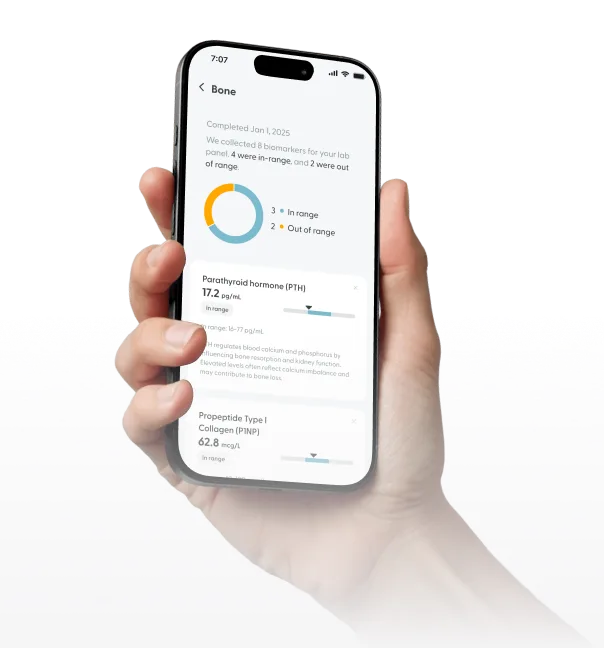
Accurate testing, if needed, can confirm your diagnosis and guide the best course of treatment

Licensed providers can send prescriptions to your local pharmacy within an hour, day or night.
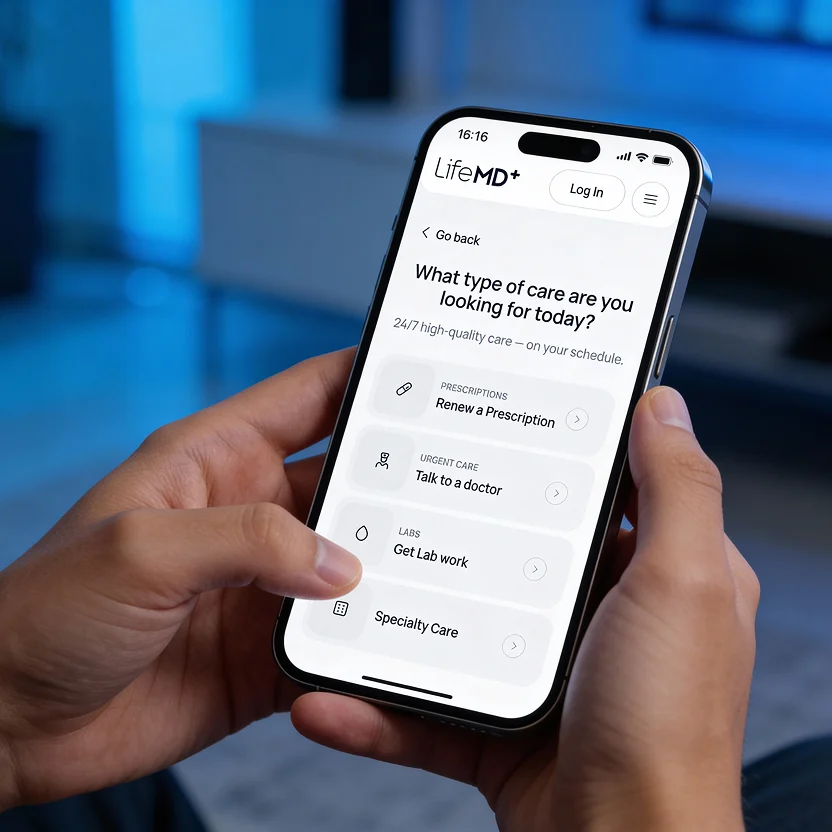
step 1
Book a telehealth appointment from wherever you are. No insurance necessary.

step 2
Meet with a board-certified doctor or nurse practitioner from your mobile device.
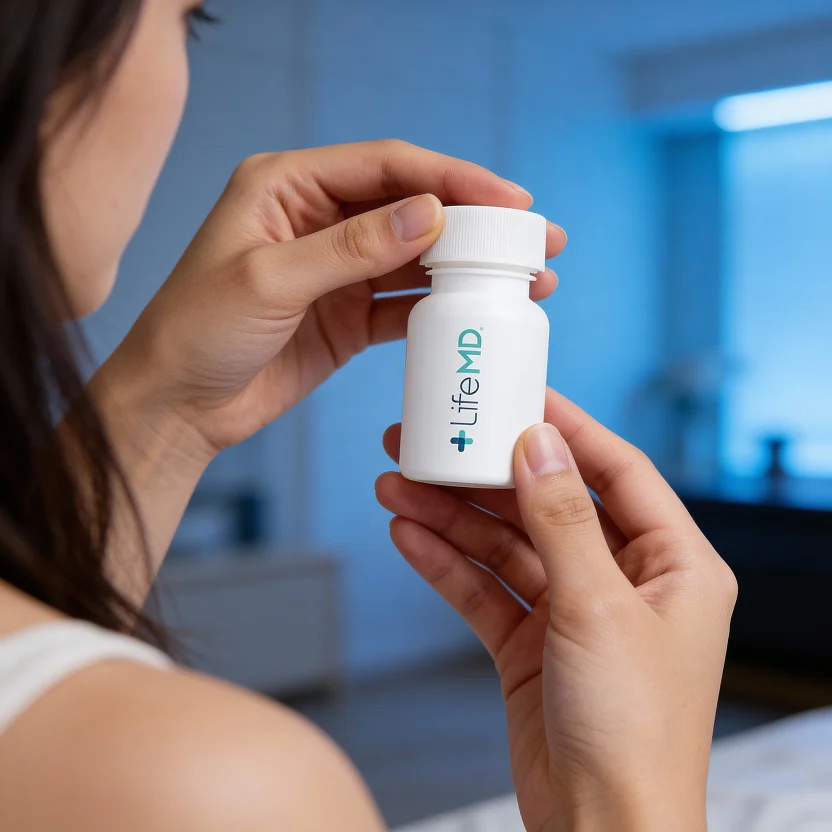
step 3
Get a prescription if needed (save up to 90%), and pick it up at your pharmacy.
Fungal infections occur when harmful fungi invade the body and multiply, affecting the skin, nails, or internal organs depending on the type and severity of infection. Many people confuse fungal infections with bacterial infections. Fungal infections are caused by fungi like yeasts and molds that thrive in warm, moist environments and often affect the skin and nails, whereas bacterial infections are caused by bacteria and typically respond to antibiotics rather than antifungal medications.
Fungal infections can cause uncomfortable symptoms such as itching, redness, scaling or peeling skin, discolored or thickened nails, rash, and in some cases, pain or burning in the affected area.
Getting the right treatment plan for fungal infections can help eliminate the infection, relieve symptoms, and prevent it from spreading or recurring.
With LifeMD, you can get immediate help and treatment online without an in-office appointment. Prescription antifungal medications can effectively treat fungal infections and help restore healthy skin and nails.
Get Started Get Started
Total Cholesterol

37 mg/mL
In range

LDL (Low-Density Lipoprotein)
47 mg/mL
In range

Triglycerides
158 mg/mL
Above range


Fluconazole is an oral antifungal medication that works by stopping fungi from producing ergosterol, a vital component of fungal cell membranes, which ultimately kills the fungi. It's commonly used to treat yeast infections, oral thrush, and certain systemic fungal infections. For yeast infections, it's often prescribed as a single dose, while other conditions may require treatment for several days to weeks. It's well-absorbed and distributes throughout the body, making it effective for various types of fungal infections.
Terbinafine is an antifungal medication available in both topical cream and oral tablet forms. It works by interfering with fungal cell membrane production, causing the fungi to die. The topical form is effective for skin infections like athlete's foot, jock itch, and ringworm, typically applied once or twice daily for one to two weeks. The oral form is particularly effective for nail fungal infections and more severe skin infections, though it requires longer treatment courses of 6 weeks to three months or more for nail infections.
Clotrimazole is a topical antifungal medication available as creams, lotions, and troches (lozenges) that works by damaging fungal cell membranes, preventing fungi from growing and multiplying. It's commonly used for skin infections like athlete's foot, ringworm, and jock itch, as well as yeast infections and oral thrush. For skin infections, it's typically applied twice daily for two to four weeks. It's well-tolerated with minimal side effects and is effective against a wide range of fungal organisms.
“Dr. Puopolo is a very knowledgeable doctor with vast experience in different medical fields. I feel I am in good hands.”
Verified Patient

“Great experience!! Never have done online telehealth before but for sure will again :)”
Verified Patient
“Dr. Culpepper was amazing. He explained things to me that I didn’t understand.”
Verified Patient
“Dr. Sehgal was amazing! Super helpful. She was answering my questions before I even asked. Very happy I picked her.”
Verified Patient
"The appointment went great. It was quick and easy, and the doctor was right on top of things!"
Verified Patient
Reviews shown are from verified LifeMD patients across various services. Photos are for illustrative purposes only.

Fungal infections can be difficult to treat for several reasons. Fungi are more complex organisms than bacteria, with cell structures similar to human cells, making it challenging to target them without affecting healthy tissue. Many antifungal medications work slowly because fungi grow and reproduce gradually, requiring extended treatment periods, sometimes weeks or months. Superficial infections like athlete's foot may seem simple, but fungi can burrow deep into skin layers or nail beds where medications struggle to penetrate effectively.
Systemic fungal infections are even more challenging because they affect internal organs and require strong medications with potential side effects. Additionally, some fungal strains have developed resistance to common antifungals, and certain infections tend to recur, especially in people with weakened immune systems, diabetes, or those in warm, moist environments that promote fungal growth.
Online fungal infection treatments typically involve a virtual consultation with a licensed healthcare provider. During the consultation, you can discuss your symptoms, describe the appearance and location of the infection, provide your medical history, and share photos of the affected area to help your provider make an accurate diagnosis.
You'll then receive a personalized treatment plan based on your needs, which may include prescription topical or oral antifungal medications. Your healthcare provider may also recommend hygiene practices and lifestyle modifications to help clear the infection and prevent recurrence.
It's important to be open and honest during your consultation to help your healthcare provider determine the best treatment approach. Be sure to provide your doctor with detailed information, such as:
• Your symptoms, including where the infection is located and what it looks like
• How long you've had the infection and whether it's spreading or worsening
• Previous treatments you've tried and their outcomes
• Whether you've had similar infections before
• Underlying health conditions like diabetes or immune system issues, current medications, or any allergies
The more information you can provide, the better your doctor can assess the type of fungal infection you have, prescribe the most effective treatment, and help you prevent future infections.
LifeMD offers online fungal infection treatments and can provide you with the prescriptions you need. You can have these sent to your local pharmacy, where your medication will be prepared for pick-up.
When it comes to treating fungal infections, the timeline varies significantly depending on the type and location of the infection. Topical antifungals for skin infections like athlete's foot or ringworm typically show improvement within a few days to a week, though complete clearing may take two to four weeks of consistent use. Yeast infections often improve within a few days of treatment. Nail fungal infections are much slower to treat, often requiring three to six months or longer because the medication must work as the nail grows out.
Oral antifungals for more serious or widespread infections may take several weeks to months to fully resolve the condition. It's crucial to complete the entire treatment course even if symptoms improve earlier, as stopping too soon can lead to recurrence and potentially resistant infections.

Family Medicine
4.93 stars 170 reviews

Internal Medicine
4.98 stars 178 reviews

Internal Medicine
4.92 stars 261 reviews

Family Medicine
4.94 stars 178 reviews

Hormone Specialist
4.92 stars 163 reviews