Schedule
Book a telehealth appointment from wherever you are. No insurance necessary.

 Main Menu
Achieve your weight-loss goals with GLP-1 treatments like Wegovy® and Zepbound®, guided by licensed providers every step of the way.
Personalized care for women, with HRT and lifestyle support to ease menopause symptoms and restore balance.
Personalized care for men, with treatments for testosterone, sexual health, hair loss, and more.
Simple, supportive mental health care on your terms, including access to prescription medication when appropriate.
Care without the wait—connect 24/7 with licensed providers for same-day prescription refills and common concerns like colds, flu, rashes, and more.
Talk to a doctor anytime, anywhere — 24/7 urgent & primary care with a telehealth visit in under one hour.
Get your medication prescribed online and sent same-day to your local pharmacy for pickup.
Save time, money, and the hassle — no in-person visits or insurance required.


Prescription treatments are tailored to your specific condition, ensuring effective relief.

Urgent evaluation is crucial to identify your condition early and prevent complications.
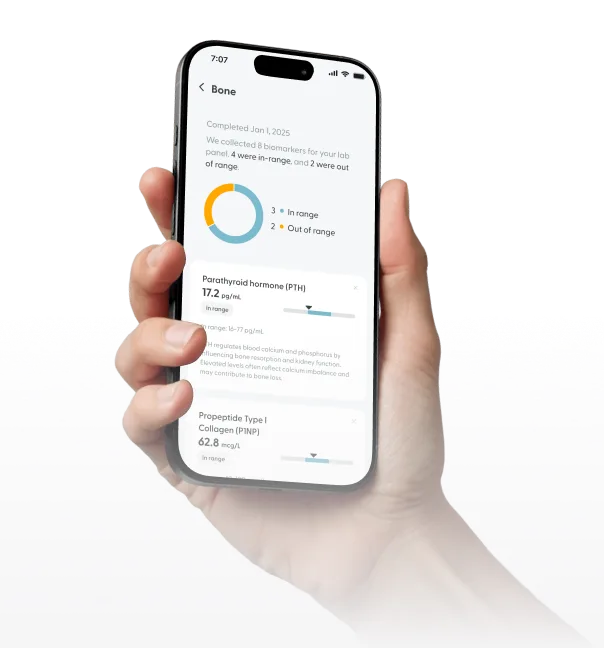
Accurate testing, if needed, can confirm your diagnosis and guide the best course of treatment

Licensed providers can send prescriptions to your local pharmacy within an hour, day or night.

step 1
Book a telehealth appointment from wherever you are. No insurance necessary.

step 2
Meet with a board-certified doctor or nurse practitioner from your mobile device.
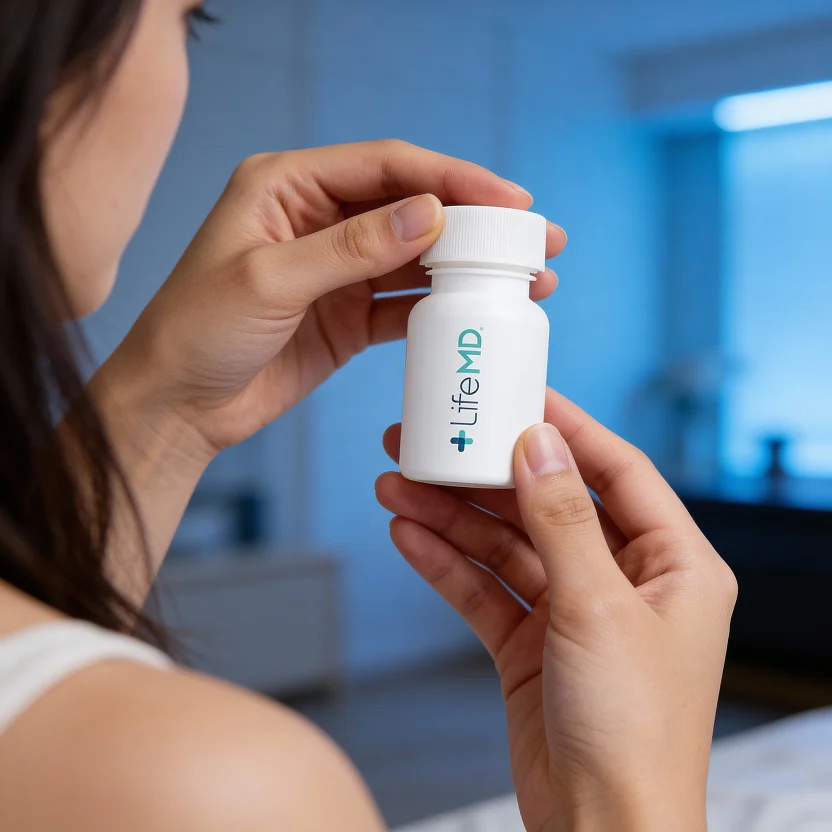
step 3
Get a prescription if needed (save up to 90%), and pick it up at your pharmacy.
Herpes is a common viral infection caused by the herpes simplex virus (HSV), which comes in two types: HSV-1, which typically causes oral herpes (cold sores), and HSV-2, which typically causes genital herpes. Many people confuse herpes with other skin conditions or STIs. Herpes is caused by the herpes simplex virus and produces painful fluid-filled blisters that recur periodically, whereas conditions like yeast infections, bacterial infections, or ingrown hairs have different causes and symptoms and require different treatments.
Herpes can cause uncomfortable symptoms such as painful blisters or sores on or around the mouth or genitals, tingling or itching before blisters appear, flu-like symptoms during the first outbreak including fever and swollen lymph nodes, and pain during urination if sores are present in the genital area.
Getting the right treatment plan for herpes can help reduce the severity and duration of outbreaks, manage symptoms, decrease transmission risk to partners, and improve your quality of life.
With LifeMD, you can get immediate help and treatment online without an in-office appointment. Prescription antiviral medications can effectively manage herpes outbreaks and help you maintain control over the condition.
Get Started Get Started
Total Cholesterol

37 mg/mL
In range

LDL (Low-Density Lipoprotein)
47 mg/mL
In range

Triglycerides
158 mg/mL
Above range


Acyclovir is an antiviral medication that works by stopping the herpes virus from multiplying, which helps reduce the severity, duration, and frequency of outbreaks. It can be used for both oral and genital herpes. For acute outbreaks, it's typically taken five times daily for five to 10 days, starting at the first sign of symptoms. For suppressive therapy to prevent frequent outbreaks, it's taken twice daily long-term. It can also be applied as a topical cream for cold sores, though oral medication is generally more effective.
Valacyclovir is an antiviral medication that converts to acyclovir in the body but requires less frequent dosing, making it more convenient. It works by inhibiting viral replication to shorten outbreak duration and reduce symptom severity. For outbreak treatment, it's typically taken twice daily for three to five days for genital herpes or twice daily for one day for cold sores. For suppressive therapy to reduce outbreak frequency and transmission risk, it's taken once daily. It's highly effective and well-tolerated for long-term use.
Famciclovir is an antiviral medication that works by blocking the replication of the herpes virus, helping to speed up healing and reduce pain during outbreaks. It converts to penciclovir in the body and is effective for both oral and genital herpes. For outbreak treatment, it's typically taken three times daily for five to seven days for genital herpes or as a single-day high-dose treatment for cold sores. For suppressive therapy in people with frequent outbreaks, it's taken twice daily. It offers flexible dosing options and is particularly useful for people who may not tolerate other antivirals well.
“Dr. Puopolo is a very knowledgeable doctor with vast experience in different medical fields. I feel I am in good hands.”
Verified Patient

“Great experience!! Never have done online telehealth before but for sure will again :)”
Verified Patient
“Dr. Culpepper was amazing. He explained things to me that I didn’t understand.”
Verified Patient
“Dr. Sehgal was amazing! Super helpful. She was answering my questions before I even asked. Very happy I picked her.”
Verified Patient
"The appointment went great. It was quick and easy, and the doctor was right on top of things!"
Verified Patient
Reviews shown are from verified LifeMD patients across various services. Photos are for illustrative purposes only.

Herpes is difficult to treat because once you're infected, the virus remains in your body permanently. After the initial infection, the herpes virus travels to nerve cells near the spine where it becomes dormant, hiding from the immune system and medications. This means that while antiviral medications can effectively control active outbreaks and reduce viral shedding, they cannot eliminate the virus entirely from your system. The virus can reactivate at unpredictable times due to triggers like stress, illness, hormonal changes, or a weakened immune system, causing recurrent outbreaks.
Each person's experience with herpes is different – some have frequent outbreaks while others rarely experience symptoms – making it challenging to predict and manage. Additionally, the virus can be transmitted even when no visible sores are present through asymptomatic viral shedding, complicating prevention efforts.
No, current herpes treatments do not cure the infection. Antiviral medications can effectively manage symptoms, shorten outbreak duration, reduce outbreak frequency, and decrease the risk of transmission, but they cannot eliminate the virus from your body. Once infected, the herpes virus remains dormant in nerve cells for life and can reactivate periodically.
However, many people with herpes live normal, healthy lives with proper treatment. Suppressive therapy taken daily can significantly reduce outbreaks and viral shedding, and episodic treatment can quickly control outbreaks when they occur. While there's no cure currently available, ongoing research continues to explore potential therapies.
Online herpes treatments typically involve a virtual consultation with a licensed healthcare provider. During the consultation, you can discuss your symptoms, describe when and where outbreaks occur, provide your medical history, and explain whether this is your first outbreak or a recurrent episode. Your provider will assess your symptoms and determine the best treatment approach – either episodic treatment for active outbreaks or suppressive therapy to prevent future outbreaks.
You'll then receive a personalized treatment plan with antiviral medication recommendations and any necessary prescriptions. Your healthcare provider may also discuss trigger identification, lifestyle modifications, and safer sex practices to reduce transmission risk.
It's important to be open and honest during your consultation to help your healthcare provider develop the most effective treatment plan. Be sure to provide your provider with detailed information, such as:
• Your symptoms, including location, appearance, and pain level
• Whether this is your first outbreak or if you have recurrent episodes
• How frequently outbreaks occur and any triggers you've identified
• Your sexual health history and whether you need guidance on transmission prevention
• Underlying health conditions, current medications, or any allergies
The more information you can provide, the better your doctor can confirm the diagnosis, prescribe appropriate antiviral medications, and help you manage herpes effectively while reducing transmission risk to partners.
LifeMD offers online herpes treatments and can provide you with the prescriptions you need. You can have these sent to your local pharmacy, where your medication will be prepared for pick-up.
When it comes to treating herpes, antiviral medications work most effectively when started at the first sign of an outbreak – ideally during the tingling or prodrome stage before blisters fully develop. If started early, you may notice reduced severity and faster healing, with symptoms improving within 24 to 48 hours. Most outbreaks treated with antivirals heal within three to five days instead of the typical seven to 10 days without treatment.
For suppressive therapy taken daily to prevent outbreaks, it may take several weeks to a few months to notice a significant reduction in outbreak frequency. The key is starting treatment as soon as possible when you feel an outbreak coming on to achieve the best results.

Family Medicine
4.93 stars 170 reviews

Internal Medicine
4.98 stars 178 reviews

Internal Medicine
4.92 stars 261 reviews

Family Medicine
4.94 stars 178 reviews

Hormone Specialist
4.92 stars 163 reviews