Schedule
Book a telehealth appointment from wherever you are. No insurance necessary.

 Main Menu
Achieve your weight-loss goals with GLP-1 treatments like Wegovy® and Zepbound®, guided by licensed providers every step of the way.
Personalized care for women, with HRT and lifestyle support to ease menopause symptoms and restore balance.
Personalized care for men, with treatments for testosterone, sexual health, hair loss, and more.
Simple, supportive mental health care on your terms, including access to prescription medication when appropriate.
Care without the wait—connect 24/7 with licensed providers for same-day prescription refills and common concerns like colds, flu, rashes, and more.
Talk to a doctor anytime, anywhere — 24/7 urgent & primary care with a telehealth visit in under one hour.
Get your medication prescribed online and sent same-day to your local pharmacy for pickup.
Save time, money, and the hassle — no in-person visits or insurance required.


Prescription treatments are tailored to your specific condition, ensuring effective relief.

Urgent evaluation is crucial to identify your condition early and prevent complications.
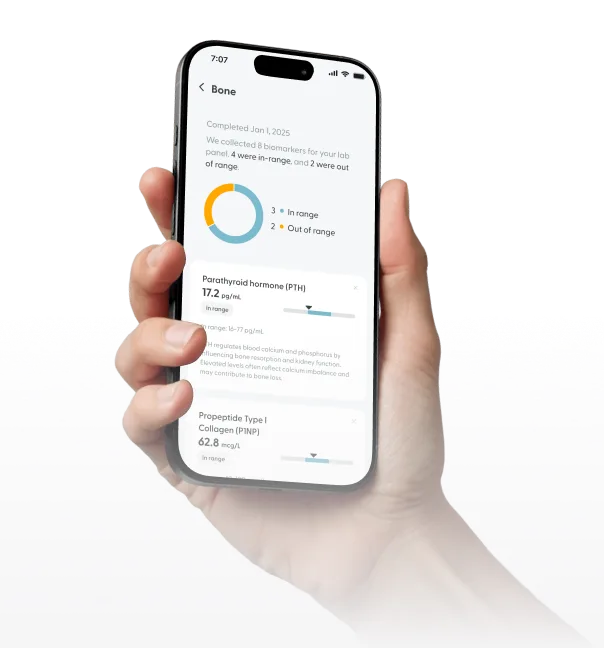
Accurate testing, if needed, can confirm your diagnosis and guide the best course of treatment

Licensed providers can send prescriptions to your local pharmacy within an hour, day or night.
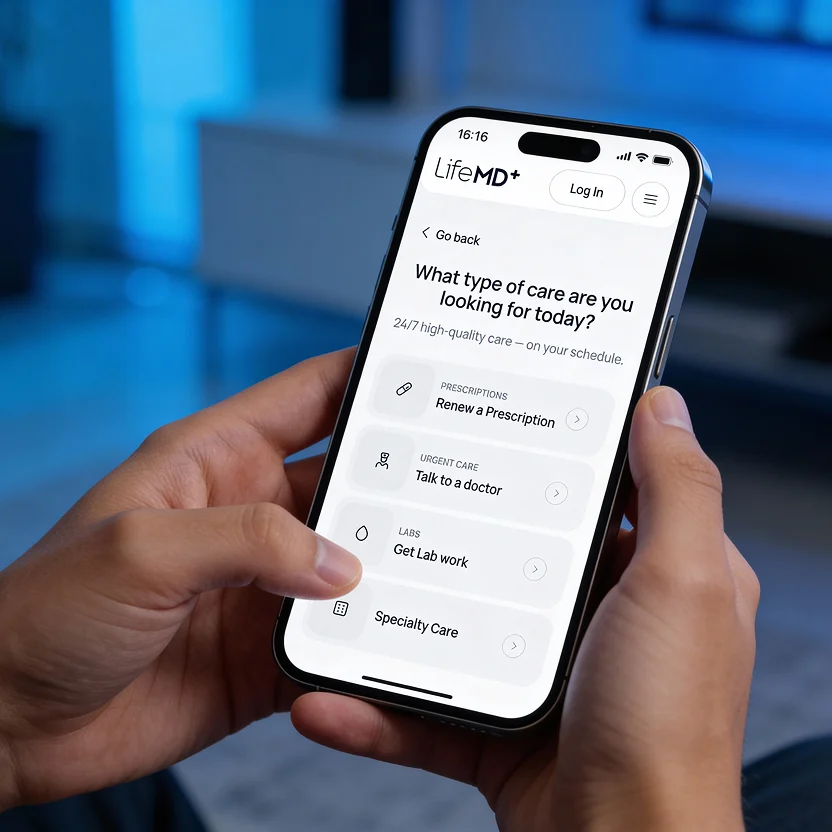
step 1
Book a telehealth appointment from wherever you are. No insurance necessary.

step 2
Meet with a board-certified doctor or nurse practitioner from your mobile device.
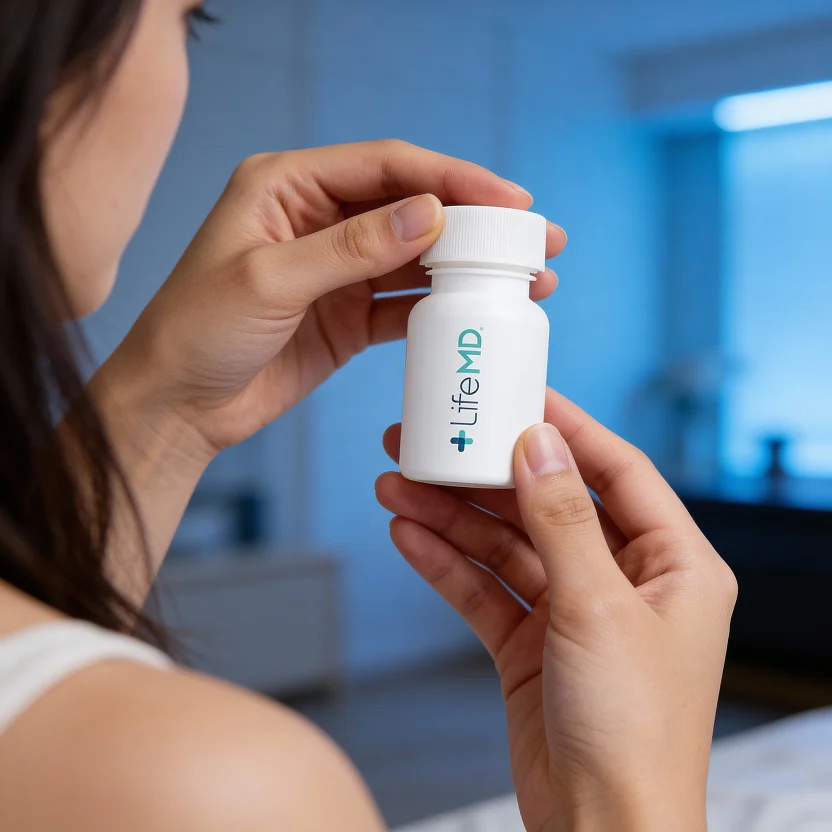
step 3
Get a prescription if needed (save up to 90%), and pick it up at your pharmacy.
Indigestion, also known as dyspepsia, is a common digestive issue characterized by discomfort or pain in the upper abdomen, often occurring during or after eating. Many people confuse indigestion with heartburn or acid reflux. Indigestion is a broad term for general upper abdominal discomfort that can include bloating, fullness, and nausea, whereas heartburn is a specific burning sensation in the chest caused by stomach acid flowing back into the esophagus.
Indigestion can cause uncomfortable symptoms such as upper abdominal pain or discomfort, feeling uncomfortably full during or after meals, bloating, nausea, and sometimes belching or gas.
Getting the right treatment plan for indigestion can help relieve symptoms, improve digestion, and identify any underlying conditions contributing to your discomfort.
With LifeMD, you can get immediate help and treatment online without an in-office appointment. Prescription medications can effectively manage indigestion symptoms and help you feel more comfortable throughout the day.
Get Started Get Started
Total Cholesterol

37 mg/mL
In range

LDL (Low-Density Lipoprotein)
47 mg/mL
In range

Triglycerides
158 mg/mL
Above range


Lansoprazole is a proton pump inhibitor that works by blocking the enzyme in the stomach lining responsible for producing acid, significantly reducing stomach acid levels. This helps relieve indigestion symptoms caused by excess acid and allows any irritation in the stomach or esophagus to heal. It's typically taken once daily, preferably in the morning before eating, for two to eight weeks depending on severity. It provides effective long-lasting relief and is well-tolerated for both short-term and long-term use.
Metoclopramide is a prokinetic medication that works by speeding up stomach emptying and improving the movement of food through the digestive tract. It's particularly helpful for indigestion caused by delayed gastric emptying or gastroparesis, where the stomach takes too long to empty its contents. It's typically taken 30 minutes before meals and at bedtime, up to four times daily. It can also help reduce nausea associated with indigestion, though it's generally used for shorter durations due to potential side effects.
Simethicone is an anti-foaming agent that works by breaking up gas bubbles in the stomach and intestines, making it easier for your body to eliminate gas and reduce bloating and discomfort. While available over-the-counter at lower doses, prescription-strength simethicone provides more effective relief for severe gas and bloating associated with indigestion. It's typically taken after meals and at bedtime as needed and works quickly, often providing relief within minutes with minimal side effects.
“Dr. Puopolo is a very knowledgeable doctor with vast experience in different medical fields. I feel I am in good hands.”
Verified Patient

“Great experience!! Never have done online telehealth before but for sure will again :)”
Verified Patient
“Dr. Culpepper was amazing. He explained things to me that I didn’t understand.”
Verified Patient
“Dr. Sehgal was amazing! Super helpful. She was answering my questions before I even asked. Very happy I picked her.”
Verified Patient
"The appointment went great. It was quick and easy, and the doctor was right on top of things!"
Verified Patient
Reviews shown are from verified LifeMD patients across various services. Photos are for illustrative purposes only.

Yes, indigestion can cause chest pain or discomfort. The pain from indigestion is typically felt in the upper abdomen but can radiate to the chest, often described as burning, pressure, or fullness behind the breastbone. This happens because the esophagus and upper stomach are located near the heart, and irritation or acid reflux can cause sensations that mimic heart-related chest pain.
However, if you experience severe chest pain, pain radiating to your arm or jaw, shortness of breath, sweating, or nausea, seek emergency medical care immediately. When in doubt, especially if you have risk factors for heart disease, always err on the side of caution and get evaluated urgently.
Indigestion typically lasts from a few minutes to several hours, depending on the cause and what triggered it. Most episodes of mild indigestion resolve within two to four hours, especially if caused by overeating or eating too quickly. If indigestion is related to specific foods or drinks, symptoms usually improve once digestion progresses.
However, if indigestion persists beyond a day, occurs frequently, or is accompanied by severe pain, vomiting, weight loss, or difficulty swallowing, you should contact a healthcare provider as this could indicate a more serious condition like gastritis, ulcers, or GERD.
Whether you can completely eliminate indigestion depends on its underlying cause. If your indigestion is caused by lifestyle factors like overeating, eating too quickly, consuming trigger foods (spicy, fatty, or acidic foods), stress, or excess alcohol and caffeine, making permanent lifestyle changes can often eliminate or significantly reduce symptoms. Maintaining a healthy weight, eating smaller meals, avoiding trigger foods, managing stress, and not lying down immediately after eating can provide long-term relief.
However, if indigestion is caused by an underlying condition like GERD, peptic ulcers, H. pylori infection, or gastroparesis, ongoing treatment or management may be necessary. Some people can eventually stop medication after addressing root causes, while others may need long-term management to prevent symptoms.
Online indigestion treatments typically involve a virtual consultation with a licensed healthcare provider. During the consultation, you can discuss your symptoms, describe when indigestion occurs and what seems to trigger it, provide your medical history, and explain what remedies you've already tried. You'll then receive a personalized treatment plan based on your needs, with medication recommendations and any necessary prescriptions. Your healthcare provider may also recommend dietary modifications, stress management techniques, and lifestyle changes to help reduce indigestion and improve your digestive health.
It's important to be open and honest during your consultation to help your healthcare provider determine the cause and best treatment. Be sure to provide your doctor with detailed information, such as:
• Your symptoms, including when they occur and how long they last
• What foods, drinks, or activities seem to trigger your indigestion
• Over-the-counter medications you've tried and whether they helped
• Whether you experience heartburn, nausea, bloating, or chest pain
• Underlying health conditions, current medications, or any allergies
The more information you can provide, the better your doctor can assess whether your indigestion is related to lifestyle factors or an underlying condition, and develop an effective treatment plan tailored to your needs.
LifeMD offers online indigestion treatments and can provide you with the prescriptions you need. You can have these sent to your local pharmacy, where your medication will be prepared for pick-up.
When it comes to treating indigestion, over-the-counter antacids typically provide relief within minutes, while H2 blockers work within 30 minutes to an hour. Prescription-strength proton pump inhibitors may take one to four days to provide noticeable relief, with maximum effectiveness after several days of consistent use. Lifestyle and dietary changes often show improvement within a few days to a couple of weeks as your digestive system adjusts. If symptoms don't improve after a week or two of treatment, or if they worsen or become more frequent, contact your healthcare provider for further evaluation to rule out underlying conditions.

Family Medicine
4.93 stars 170 reviews

Internal Medicine
4.98 stars 178 reviews

Internal Medicine
4.92 stars 261 reviews

Family Medicine
4.94 stars 178 reviews

Hormone Specialist
4.92 stars 163 reviews