Schedule
Book a telehealth appointment from wherever you are. No insurance necessary.

 Main Menu
Achieve your weight-loss goals with GLP-1 treatments like Wegovy® and Zepbound®, guided by licensed providers every step of the way.
Personalized care for women, with HRT and lifestyle support to ease menopause symptoms and restore balance.
Personalized care for men, with treatments for testosterone, sexual health, hair loss, and more.
Simple, supportive mental health care on your terms, including access to prescription medication when appropriate.
Care without the wait—connect 24/7 with licensed providers for same-day prescription refills and common concerns like colds, flu, rashes, and more.
Talk to a doctor anytime, anywhere — 24/7 urgent & primary care with a telehealth visit in under one hour.
Get your medication prescribed online and sent same-day to your local pharmacy for pickup.
Save time, money, and the hassle — no in-person visits or insurance required.


Prescription treatments are tailored to your specific condition, ensuring effective relief.

Urgent evaluation is crucial to identify your condition early and prevent complications.
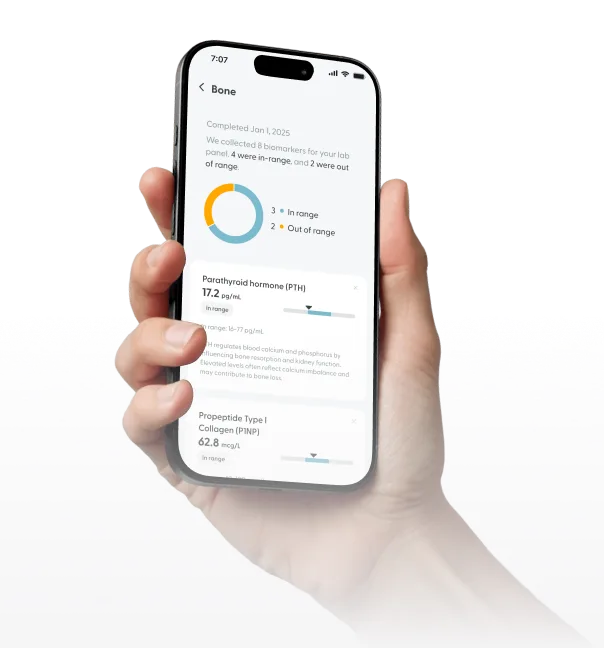
Accurate testing, if needed, can confirm your diagnosis and guide the best course of treatment

Licensed providers can send prescriptions to your local pharmacy within an hour, day or night.
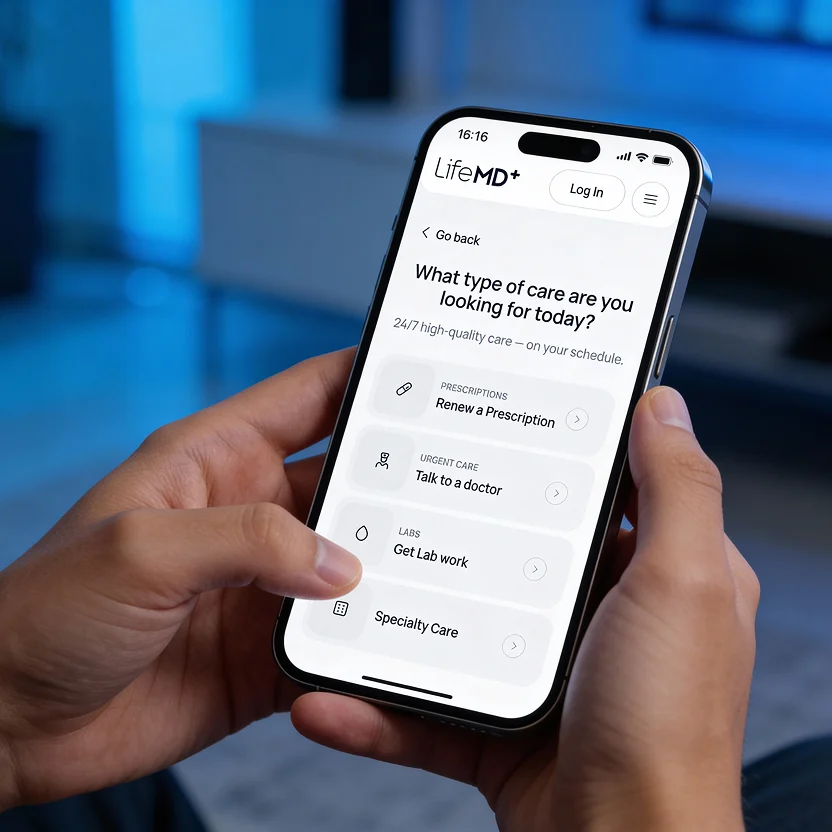
step 1
Book a telehealth appointment from wherever you are. No insurance necessary.

step 2
Meet with a board-certified doctor or nurse practitioner from your mobile device.
step 3
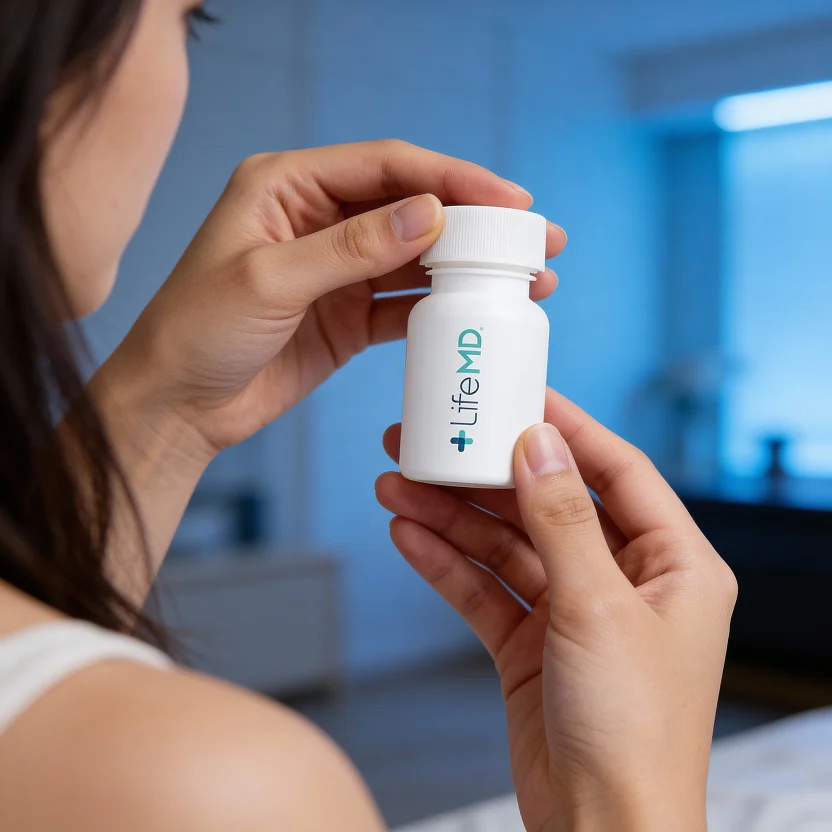
Get a prescription if needed (save up to 90%), and pick it up at your pharmacy.
Seasonal allergies — also known as hay fever or allergic rhinitis — cause cold-like symptoms such as a runny nose, itchy eyes, congestion, sneezing, and sinus pressure. But unlike a cold, seasonal allergies aren’t caused by a virus. They’re the result of an allergic response to outdoor or indoor allergens, such as pollen, dust mites, or pet dander.
While seasonal allergies aren’t necessarily serious, they can make you feel pretty miserable. A healthcare provider can work with you to identify any triggers and get you on a treatment plan to help you feel better.
Get Started Get Started
Total Cholesterol

37 mg/mL
In range

LDL (Low-Density Lipoprotein)
47 mg/mL
In range

Triglycerides
158 mg/mL
Above range


Is used to relieve symptoms of seasonal allergies and nasal congestion, such as runny or stuffy nose, sneezing, and sinus pressure.
Is used to treat seasonal allergy symptoms such as sneezing, runny or stuffy nose, and itchy or watery eyes.
A nasal spray used to relieve seasonal and year-round allergic and non-allergic nasal symptoms, such as stuffy/runny nose, itching, and sneezing.
“Dr. Puopolo is a very knowledgeable doctor with vast experience in different medical fields. I feel I am in good hands.”
Verified Patient

“Great experience!! Never have done online telehealth before but for sure will again :)”
Verified Patient
“Dr. Culpepper was amazing. He explained things to me that I didn’t understand.”
Verified Patient
“Dr. Sehgal was amazing! Super helpful. She was answering my questions before I even asked. Very happy I picked her.”
Verified Patient
"The appointment went great. It was quick and easy, and the doctor was right on top of things!"
Verified Patient
Reviews shown are from verified LifeMD patients across various services. Photos are for illustrative purposes only.

No, seasonal allergies aren't contagious. Allergies are caused by an immune system reaction to environmental allergens such as pollen or dust mites. They’re not caused by a virus or bacteria, and they can’t be spread from person to person through contact or respiratory droplets.
Research suggests that if one or both parents have seasonal allergies, their children are more likely to develop them as well. This is because genetics can play a role in determining how the immune system responds to environmental allergens such as pollen, mold, and dust mites.
However, while genetics can increase the risk of developing seasonal allergies, it’s not a guarantee. Other factors such as exposure to allergens and the person’s overall health and immune system also play a role.
Most people with seasonal allergies do not experience a fever as a symptom. Seasonal allergies typically involve sneezing, runny or stuffy nose, itchy or watery eyes, and sometimes coughing. However, allergies can lead to a sinus infection (or sinusitis), which is an inflammation or infection of the sinuses. Sinusitis can cause symptoms such as facial pain, headache, congestion, and occasionally, a fever.
Yes, allergies can cause a sore throat. When someone is exposed to an allergen such as pollen or pet dander, the immune system may react by releasing histamine, which can cause inflammation in the throat and lead to a sore throat. Additionally, postnasal drip (which is a common symptom of allergies) can irritate the throat and cause discomfort.
Yes, allergies can make you cough. When a person is exposed to an allergen — such as pollen, dust mites, or pet dander — the immune system may react by producing excess mucus in the respiratory system. This can lead to coughing as the body tries to expel the mucus.
Additionally, postnasal drip (which is a common symptom of allergies) can irritate the throat and cause coughing. Since coughing can also be a symptom of other conditions, it's best to consult a healthcare provider if your cough persists after a few weeks.
Yes, air purifiers can help with seasonal allergies by removing airborne allergens from the air, such as pollen, dust, and mold spores. These allergens can trigger allergic reactions in those with seasonal allergies.
Air purifiers work by using filters to capture these allergens, preventing them from circulating in the air and reducing the amount of allergens in the environment. HEPA (High-Efficiency Particulate Air) filters are particularly effective in capturing small particles such as pollen and dust.
Keep in mind that air purifiers aren’t a complete solution for seasonal allergies. If you have seasonal allergies, it’s important to take additional measures to reduce your exposure to allergens. This includes keeping your windows closed during high pollen days; washing your pillowcases, sheets, and blankets regularly; and avoiding outdoor activities during peak allergy season.
Seasonal allergies typically last for several weeks or months during the allergy season. The length of the allergy season can vary depending on the geographical location and the type of allergens. During this time, those with seasonal allergies may experience symptoms such as sneezing, runny nose, and itchy eyes.

Family Medicine
4.93 stars 170 reviews

Internal Medicine
4.98 stars 178 reviews

Internal Medicine
4.92 stars 261 reviews

Family Medicine
4.94 stars 178 reviews

Hormone Specialist
4.92 stars 163 reviews