Schedule
Book a telehealth appointment from wherever you are. No insurance necessary.

 Main Menu
Achieve your weight-loss goals with GLP-1 treatments like Wegovy® and Zepbound®, guided by licensed providers every step of the way.
Personalized care for women, with HRT and lifestyle support to ease menopause symptoms and restore balance.
Personalized care for men, with treatments for testosterone, sexual health, hair loss, and more.
Simple, supportive mental health care on your terms, including access to prescription medication when appropriate.
Care without the wait—connect 24/7 with licensed providers for same-day prescription refills and common concerns like colds, flu, rashes, and more.
Talk to a doctor anytime, anywhere — 24/7 urgent & primary care with a telehealth visit in under one hour.
Get your medication prescribed online and sent same-day to your local pharmacy for pickup.
Save time, money, and the hassle — no in-person visits or insurance required.


Prescription treatments are tailored to your specific condition, ensuring effective relief.

Urgent evaluation is crucial to identify your condition early and prevent complications.
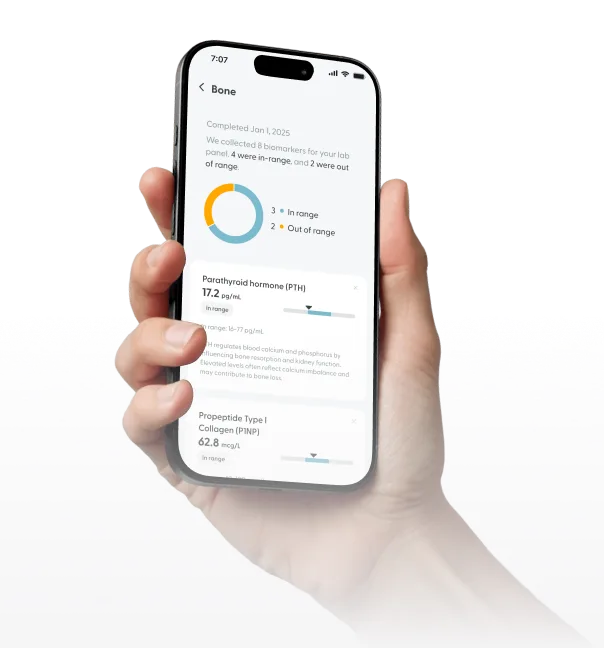
Accurate testing, if needed, can confirm your diagnosis and guide the best course of treatment

Licensed providers can send prescriptions to your local pharmacy within an hour, day or night.

step 1
Book a telehealth appointment from wherever you are. No insurance necessary.

step 2
Meet with a board-certified doctor or nurse practitioner from your mobile device.
step 3
Get a prescription if needed (save up to 90%), and pick it up at your pharmacy.
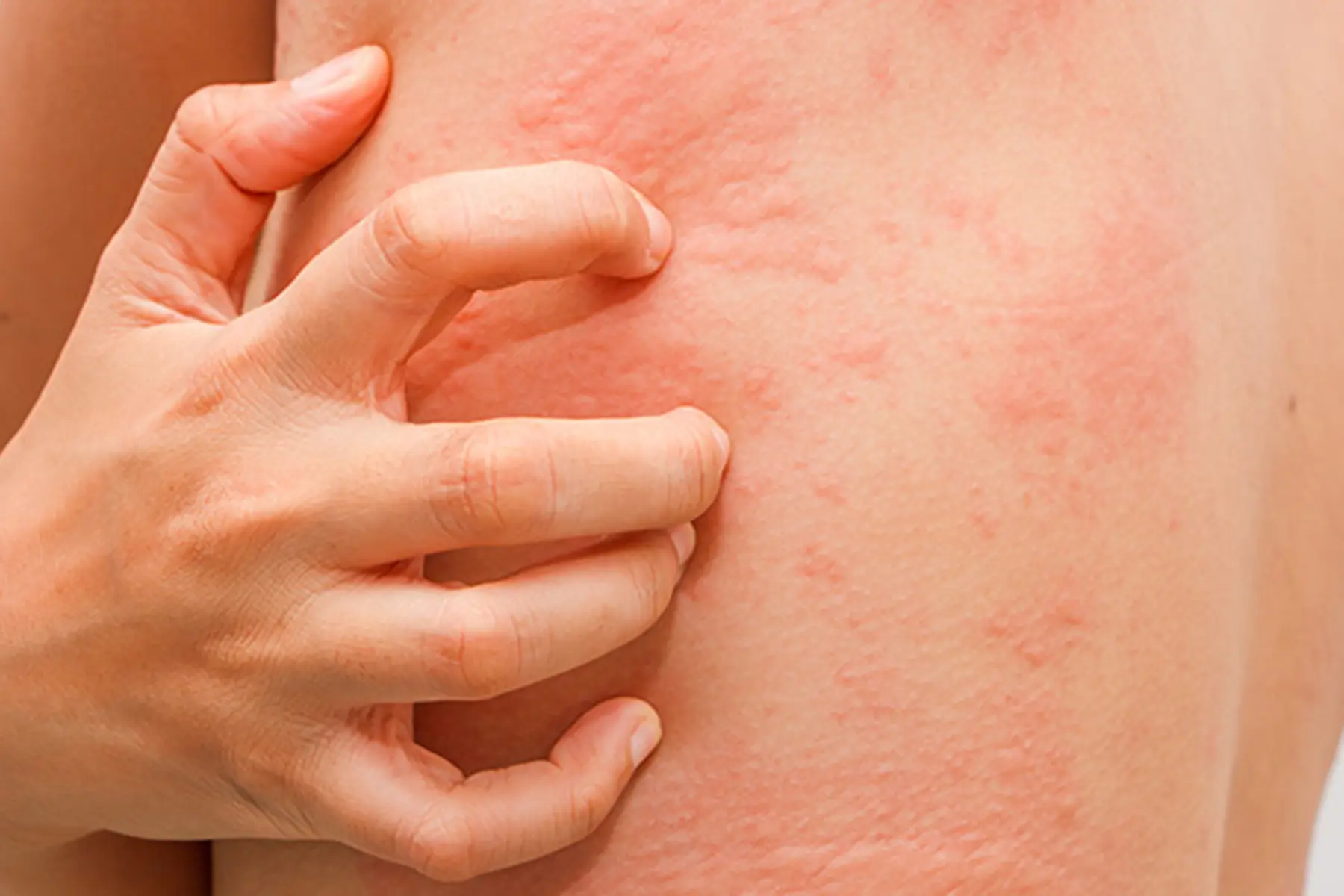
Skin rashes are areas of irritated or inflamed skin that can appear in many forms including redness, bumps, blisters, scaling, or itching, and can be caused by numerous conditions ranging from allergies to infections. Many people think all rashes are the same or assume they're always contagious. Skin rashes vary widely in appearance and cause – some result from allergic reactions, others from infections like ringworm or shingles, and still others from chronic conditions like eczema or psoriasis, each requiring different treatments and having different levels of contagiousness.
Skin rashes can cause uncomfortable symptoms such as redness or discoloration, itching or burning sensations, raised bumps or blisters, dry or flaky skin, swelling, and in some cases, oozing or crusting if the rash becomes infected or severely irritated.
Getting the right treatment plan for skin rashes can help identify the underlying cause, relieve itching and discomfort, clear the rash, prevent infection, and address any ongoing skin conditions contributing to the problem.
With LifeMD, you can get immediate help and treatment online without an in-office appointment. Prescription medications can effectively treat most skin rashes and provide relief from uncomfortable symptoms.
Get Started Get Started
Total Cholesterol

37 mg/mL
In range

LDL (Low-Density Lipoprotein)
47 mg/mL
In range

Triglycerides
158 mg/mL
Above range


Hydrocortisone is a topical corticosteroid that works by reducing inflammation, itching, and redness in the skin. Prescription-strength formulations are more potent than over-the-counter versions and are effective for treating allergic rashes, eczema flares, contact dermatitis, and other inflammatory skin conditions. It's typically applied two to four times daily to affected areas for one to two weeks. It provides quick relief from itching and discomfort while allowing the skin to heal.
Hydroxyzine is an oral antihistamine that works by blocking histamine receptors to reduce itching, inflammation, and allergic reactions that cause rashes. It's particularly effective for hives, allergic rashes, and rashes accompanied by intense itching that interferes with sleep, as it also has mild sedative properties. It's typically taken two to four times daily or at bedtime and provides relief within 30 minutes to an hour. It helps break the itch-scratch cycle that can worsen rashes.
Triamcinolone acetonide is a mid-potency topical corticosteroid that works by reducing inflammation, itching, and immune responses in the skin. It's effective for treating various rashes including eczema, psoriasis, allergic reactions, and inflammatory skin conditions that haven't responded to milder treatments. It's typically applied two to four times daily to affected areas and provides significant relief within a few days while allowing the rash to clear over one to two weeks of consistent use.
“Dr. Puopolo is a very knowledgeable doctor with vast experience in different medical fields. I feel I am in good hands.”
Verified Patient

“Great experience!! Never have done online telehealth before but for sure will again :)”
Verified Patient
“Dr. Culpepper was amazing. He explained things to me that I didn’t understand.”
Verified Patient
“Dr. Sehgal was amazing! Super helpful. She was answering my questions before I even asked. Very happy I picked her.”
Verified Patient
"The appointment went great. It was quick and easy, and the doctor was right on top of things!"
Verified Patient
Reviews shown are from verified LifeMD patients across various services. Photos are for illustrative purposes only.

Skin rashes have many possible causes. Allergic reactions to foods, medications, plants like poison ivy, or skincare products are common triggers. Contact dermatitis occurs when skin touches irritants like harsh soaps, chemicals, or metals. Infections from viruses (like chickenpox or shingles), bacteria (like impetigo), or fungi (like ringworm) cause infectious rashes.
Chronic skin conditions like eczema, psoriasis, or rosacea produce recurring rashes. Heat, sweat, and friction can cause heat rash or chafing. Insect bites, stress, autoimmune conditions, and certain medications can also trigger rashes. Identifying the cause helps determine the most effective treatment.
The duration of skin rashes varies widely depending on the cause. Allergic rashes or contact dermatitis typically resolve within a few days to two weeks once the trigger is removed and treatment is started. Heat rash often clears within a few days with cooling and proper skincare. Viral rashes usually last one to two weeks as the infection runs its course. Fungal rashes like ringworm take two to four weeks to clear with antifungal treatment. Chronic conditions like eczema or psoriasis may have rashes that persist or recur without ongoing management. If a rash lasts longer than two weeks, worsens, or is accompanied by fever or other concerning symptoms, medical evaluation is needed.
Whether a skin rash is contagious depends entirely on the cause. Infectious rashes caused by viruses (like chickenpox, shingles, measles, or hand-foot-and-mouth disease), bacteria (like impetigo), or fungi (like ringworm) can be contagious and spread through direct contact or contaminated surfaces. Non-infectious rashes caused by allergies, eczema, psoriasis, contact dermatitis, heat, or autoimmune conditions are not contagious and cannot spread to others. If you're unsure whether a rash is contagious, it's best to avoid close contact with others and consult a healthcare provider for proper diagnosis and guidance on precautions.
Online skin rash treatments typically involve a virtual consultation with a licensed healthcare provider. During the consultation, you can discuss your symptoms, describe the rash's appearance and location, share photos of the affected areas, explain when it started and whether it's spreading, and identify possible triggers or exposures. You'll receive a personalized treatment plan which may include prescription creams, oral medications, or recommendations for over-the-counter products based on the likely cause of your rash.
Be sure to provide your doctor with detailed information, such as:
• What the rash looks like and where it's located on your body
• When it started and how it has changed
• Whether it itches, burns, or is painful
• Possible triggers like new products, foods, medications, or exposures
• Whether you have fever or other symptoms
• Previous rashes or skin conditions
• Underlying health conditions, current medications, or any allergies
The more information you provide, the better your doctor can identify the cause and prescribe appropriate treatment.
LifeMD offers online skin rash consultations and can provide prescriptions for topical and oral medications to treat various types of rashes. You can have these sent to your local pharmacy, where your medication will be prepared for pick-up.
When it comes to treating skin rashes, the timeline depends on the cause and treatment. Topical corticosteroids typically reduce itching and redness within one to three days, with significant improvement within one week. Antihistamines for allergic rashes provide relief within 30 minutes to an hour. Antifungal creams for fungal rashes show improvement within a few days but require two to four weeks for complete clearing. Antibiotics for bacterial rashes typically show improvement within two to three days. Removing the trigger in allergic or contact dermatitis leads to gradual improvement over several days to two weeks. If the rash doesn't improve after one week of treatment, worsens, or spreads, contact your healthcare provider for re-evaluation.

Family Medicine
4.93 stars 170 reviews

Internal Medicine
4.98 stars 178 reviews

Internal Medicine
4.92 stars 261 reviews

Family Medicine
4.94 stars 178 reviews

Hormone Specialist
4.92 stars 163 reviews