Schedule
Book a telehealth appointment from wherever you are. No insurance necessary.

 Main Menu
Achieve your weight-loss goals with GLP-1 treatments like Wegovy® and Zepbound®, guided by licensed providers every step of the way.
Personalized care for women, with HRT and lifestyle support to ease menopause symptoms and restore balance.
Personalized care for men, with treatments for testosterone, sexual health, hair loss, and more.
Simple, supportive mental health care on your terms, including access to prescription medication when appropriate.
Care without the wait—connect 24/7 with licensed providers for same-day prescription refills and common concerns like colds, flu, rashes, and more.
Talk to a doctor anytime, anywhere — 24/7 urgent & primary care with a telehealth visit in under one hour.
Get your medication prescribed online and sent same-day to your local pharmacy for pickup.
Save time, money, and the hassle — no in-person visits or insurance required.


Prescription treatments are tailored to your specific condition, ensuring effective relief.

Urgent evaluation is crucial to identify your condition early and prevent complications.
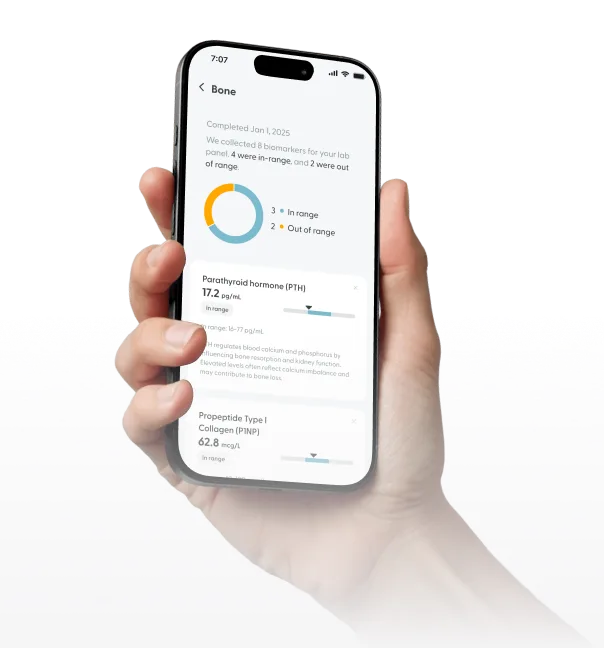
Accurate testing, if needed, can confirm your diagnosis and guide the best course of treatment
Licensed providers can send prescriptions to your local pharmacy within an hour, day or night.

step 1
Book a telehealth appointment from wherever you are. No insurance necessary.

step 2
Meet with a board-certified doctor or nurse practitioner from your mobile device.
step 3
Get a prescription if needed (save up to 90%), and pick it up at your pharmacy.
A stye, also known as a hordeolum, is a painful, red bump that forms on the edge of the eyelid when an oil gland or hair follicle becomes infected, usually with bacteria. Many people confuse styes with chalazia or other eyelid bumps. A stye is an infected, painful red bump caused by bacterial infection of an eyelid gland that often comes to a head like a pimple, whereas a chalazion is a non-infected, painless bump caused by a blocked oil gland that feels firm and doesn't typically drain on its own.
Styes can cause uncomfortable symptoms such as a painful, tender red bump on the eyelid edge or base of an eyelash, swelling of the eyelid, tearing or watery eyes, crusting around the eyelid, and sensitivity to light or a gritty feeling in the eye.
Getting the right treatment plan for styes can help clear the infection, relieve pain and swelling, prevent the stye from worsening or spreading, and reduce the chance of recurrence. With LifeMD, you can get immediate help and treatment online without an in-office appointment. Prescription antibiotic medications can help clear styes more quickly and prevent complications when combined with proper eyelid hygiene.
Get Started Get Started
Total Cholesterol

37 mg/mL
In range

LDL (Low-Density Lipoprotein)
47 mg/mL
In range

Triglycerides
158 mg/mL
Above range


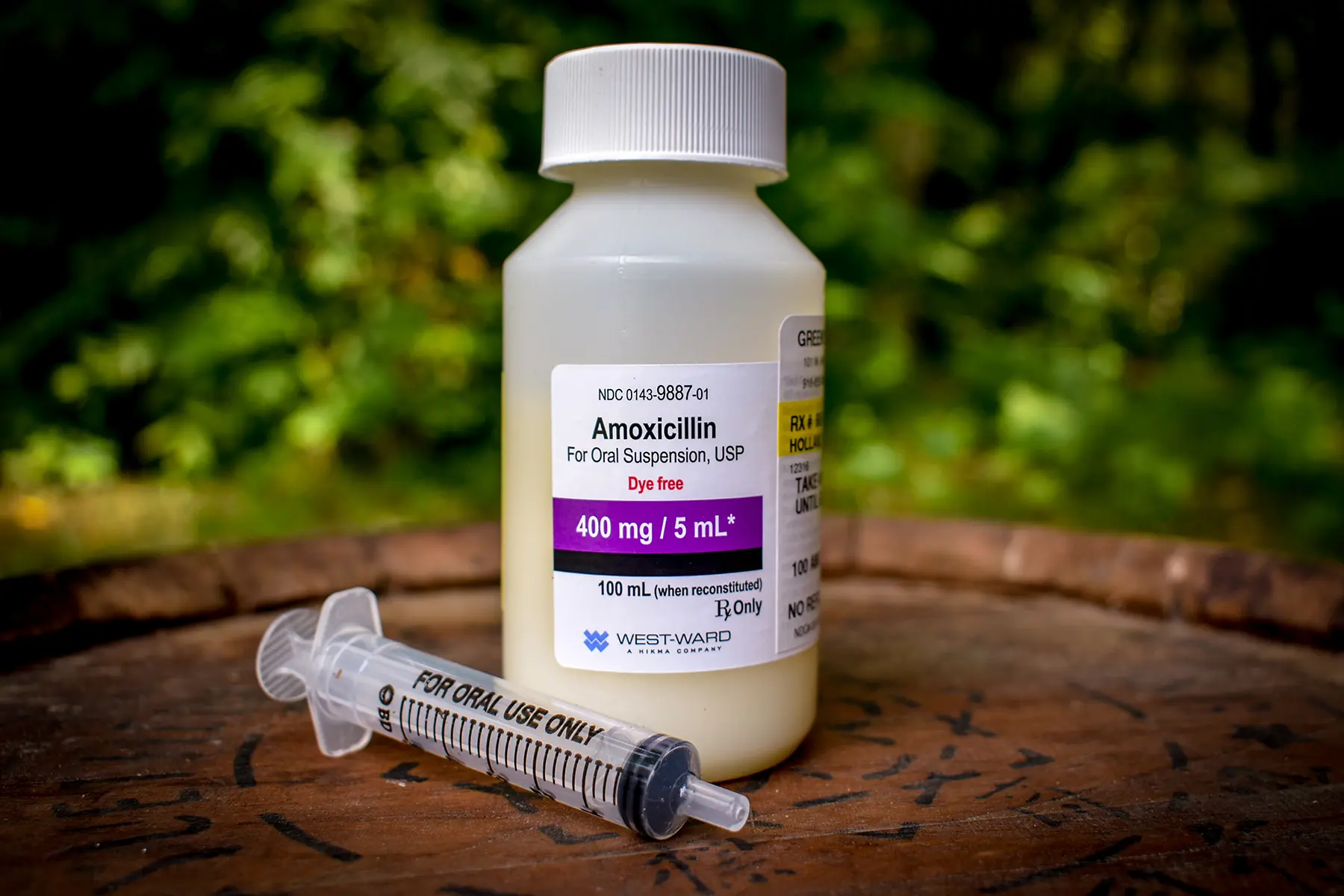
Erythromycin is a topical antibiotic ointment that works by killing the bacteria causing the stye infection, typically Staphylococcus bacteria. It's applied directly to the affected eyelid two to four times daily and helps reduce infection, swelling, and pain while promoting healing. It's well-tolerated with minimal side effects and is particularly useful when the stye shows signs of spreading or hasn't improved with warm compresses alone. Treatment typically lasts five to seven days.
Polymyxin B-bacitracin is a combination antibiotic ointment that works by killing bacteria on the eyelid and preventing the infection from spreading. It's applied to the affected area two to four times daily and is effective against the bacteria most commonly responsible for styes. It helps speed healing, reduce inflammation, and prevent secondary infections, particularly useful for styes that are draining or at risk of spreading to surrounding eyelid tissue.
Doxycycline is an oral antibiotic that works by killing bacteria and reducing inflammation throughout the body, making it effective for recurrent or severe styes that don't respond to topical treatments. It's typically taken once or twice daily for seven to 10 days and is particularly useful for people who experience frequent styes or have underlying blepharitis (eyelid inflammation) that predisposes them to recurrent infections. It addresses both the active infection and helps prevent future styes by reducing bacteria on the eyelid margins.
“Dr. Puopolo is a very knowledgeable doctor with vast experience in different medical fields. I feel I am in good hands.”
Verified Patient

“Great experience!! Never have done online telehealth before but for sure will again :)”
Verified Patient
“Dr. Culpepper was amazing. He explained things to me that I didn’t understand.”
Verified Patient
“Dr. Sehgal was amazing! Super helpful. She was answering my questions before I even asked. Very happy I picked her.”
Verified Patient
"The appointment went great. It was quick and easy, and the doctor was right on top of things!"
Verified Patient
Reviews shown are from verified LifeMD patients across various services. Photos are for illustrative purposes only.

Styes are caused by bacterial infection of oil glands or hair follicles at the base of eyelashes, most commonly by Staphylococcus bacteria. The infection develops when these glands become blocked with dead skin cells, oil, or debris, creating an environment where bacteria can multiply. Risk factors that increase stye occurrence include touching or rubbing your eyes with unwashed hands, using old or contaminated eye makeup, not removing eye makeup before bed, poor eyelid hygiene, blepharitis (chronic eyelid inflammation), having oily skin, or having conditions like rosacea or seborrheic dermatitis. Sharing eye makeup or towels, wearing contact lenses without proper hygiene, and stress or lack of sleep can also contribute to stye development.
Styes typically last one to two weeks. They usually develop over a few days, come to a head and drain spontaneously within a week, then heal completely within another few days. With warm compress treatment started early, styes often resolve faster, sometimes within three to five days. Styes treated with antibiotic ointments may clear more quickly, typically within five to seven days. Some styes are more stubborn and can take up to three weeks to fully resolve. If a stye doesn't improve after a week of home treatment, continues to grow, affects your vision, or keeps recurring, medical evaluation is needed.
No, you should never pop, squeeze, or try to drain a stye yourself. Attempting to pop a stye can spread the infection to surrounding tissue, push bacteria deeper into the eyelid, cause scarring, damage the delicate eyelid skin and glands, or lead to a more serious infection. Styes will drain naturally on their own when ready, usually within a week. The best approach is applying warm compresses several times daily to encourage natural drainage, keeping the area clean, and avoiding touching or rubbing the stye. If a stye needs to be drained, a healthcare provider should do it in a sterile manner to prevent complications.
Online stye treatments typically involve a virtual consultation with a licensed healthcare provider. During the consultation, you can discuss your symptoms, describe the appearance and location of the stye, share photos of the affected eyelid, explain how long you've had it and whether it's improving or worsening, and mention if you've had recurrent styes. You'll receive a personalized treatment plan which may include prescription antibiotic ointments or oral antibiotics, along with instructions for warm compress application and eyelid hygiene.
Be sure to provide your doctor with detailed information, such as:
• When the stye appeared and how it has changed
• Whether it's painful, draining, or affecting your vision
• Whether you've tried warm compresses or other home treatments
• If you've had styes before or have them frequently
• Whether you wear contact lenses or eye makeup
• Any eyelid conditions like blepharitis
• Underlying health conditions, current medications, or any allergies
The more information you provide, the better your doctor can determine appropriate treatment.
LifeMD offers online stye consultations and can provide prescriptions for antibiotic ointments or oral antibiotics when appropriate. You can have these sent to your local pharmacy, where your medication will be prepared for pick-up.
When it comes to treating styes, warm compresses applied three to four times daily often help styes drain naturally within three to seven days. Antibiotic ointments typically reduce swelling and pain within two to three days, with the stye completely resolving within five to seven days of treatment. Oral antibiotics for more severe styes show improvement within two to three days.
Once a stye drains (either naturally or with treatment), the pain usually decreases significantly within 24 hours, with complete healing over the next few days. If the stye doesn't improve after a week of treatment, continues to grow, or affects your vision, contact your healthcare provider for further evaluation.

Family Medicine
4.93 stars 170 reviews

Internal Medicine
4.98 stars 178 reviews

Internal Medicine
4.92 stars 261 reviews

Family Medicine
4.94 stars 178 reviews

Hormone Specialist
4.92 stars 163 reviews