Schedule
Book a telehealth appointment from wherever you are. No insurance necessary.

 Main Menu
Achieve your weight-loss goals with GLP-1 treatments like Wegovy® and Zepbound®, guided by licensed providers every step of the way.
Personalized care for women, with HRT and lifestyle support to ease menopause symptoms and restore balance.
Personalized care for men, with treatments for testosterone, sexual health, hair loss, and more.
Simple, supportive mental health care on your terms, including access to prescription medication when appropriate.
Care without the wait—connect 24/7 with licensed providers for same-day prescription refills and common concerns like colds, flu, rashes, and more.
Talk to a doctor anytime, anywhere — 24/7 urgent & primary care with a telehealth visit in under one hour.
Get your medication prescribed online and sent same-day to your local pharmacy for pickup.
Save time, money, and the hassle — no in-person visits or insurance required.


Prescription treatments are tailored to your specific condition, ensuring effective relief.

Urgent evaluation is crucial to identify your condition early and prevent complications.
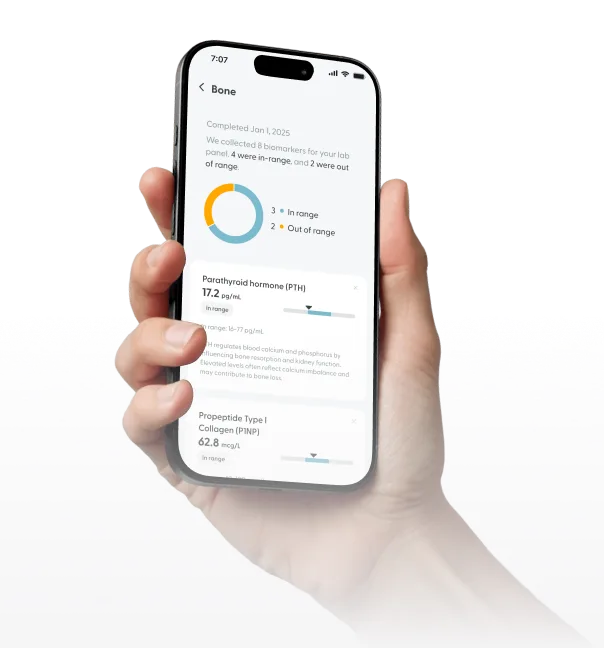
Accurate testing, if needed, can confirm your diagnosis and guide the best course of treatment

Licensed providers can send prescriptions to your local pharmacy within an hour, day or night.

step 1
Book a telehealth appointment from wherever you are. No insurance necessary.

step 2
Meet with a board-certified doctor or nurse practitioner from your mobile device.
step 3
Get a prescription if needed (save up to 90%), and pick it up at your pharmacy.
A sunburn is skin damage caused by overexposure to ultraviolet (UV) radiation from the sun or artificial sources like tanning beds, resulting in red, painful, and sometimes blistered skin. Many people underestimate sunburns or think they're harmless as long as blisters don't form. Sunburn is actual damage to skin cells and DNA caused by UV radiation, not just temporary redness – even mild sunburns without blisters cause cellular damage that increases skin cancer risk and premature aging, whereas a heat rash or other skin irritation involves different mechanisms and doesn't carry the same long-term risks.
Sunburns can cause uncomfortable symptoms such as red or pink skin that feels hot to the touch, pain and tenderness in the affected area, swelling, blistering in severe cases, peeling skin as it heals, headache, fever, chills, and nausea if the sunburn is extensive.
Getting the right treatment plan for sunburns can help relieve pain and inflammation, promote healing, prevent infection if blisters are present, reduce peeling, and provide guidance on preventing future sun damage.
With LifeMD, you can get immediate help and treatment online without an in-office appointment. Prescription medications can effectively manage severe sunburn symptoms and promote faster healing.
Get Started Get Started
Total Cholesterol

37 mg/mL
In range

LDL (Low-Density Lipoprotein)
47 mg/mL
In range

Triglycerides
158 mg/mL
Above range


Triamcinolone acetonide is a topical corticosteroid that works by reducing inflammation, redness, and swelling associated with sunburn. It's applied to affected areas two to four times daily and provides significant relief from pain and discomfort while helping skin heal faster. It's particularly useful for moderate to severe sunburns with significant inflammation and is typically used for a few days until acute symptoms improve. It should not be applied to blistered or broken skin.
Silver sulfadiazine is a topical antibacterial cream that works by preventing and treating infections in damaged skin, particularly important for severe sunburns with blisters that have opened. It's applied once or twice daily to affected areas and creates a protective barrier while fighting bacteria that could cause infection. It's especially useful for second-degree sunburns with blistering and helps promote healing while preventing complications. It requires careful application and monitoring.
Prednisone is an oral corticosteroid that works by powerfully suppressing inflammation throughout the body, providing relief for severe, extensive sunburns covering large areas of the body. It's typically prescribed as a short course (three to seven days) starting at a higher dose that tapers down and can significantly reduce pain, swelling, and systemic symptoms like fever or chills. It's reserved for severe sunburns that cause significant discomfort or cover large body surface areas, as it has more potential side effects than topical treatments.
“Dr. Puopolo is a very knowledgeable doctor with vast experience in different medical fields. I feel I am in good hands.”
Verified Patient

“Great experience!! Never have done online telehealth before but for sure will again :)”
Verified Patient
“Dr. Culpepper was amazing. He explained things to me that I didn’t understand.”
Verified Patient
“Dr. Sehgal was amazing! Super helpful. She was answering my questions before I even asked. Very happy I picked her.”
Verified Patient
"The appointment went great. It was quick and easy, and the doctor was right on top of things!"
Verified Patient
Reviews shown are from verified LifeMD patients across various services. Photos are for illustrative purposes only.

Yes, sunburns are classified by severity similar to other burns. First-degree sunburn is the most common, affecting only the outer skin layer and causing redness, pain, and mild swelling without blisters – this is what most people experience after moderate sun exposure. Second-degree sunburn is more severe, affecting deeper skin layers and causing intense redness, severe pain, swelling, and fluid-filled blisters – this occurs after prolonged or intense UV exposure.
Third-degree sunburn is rare but extremely serious, damaging all skin layers and potentially underlying tissue, causing white or charred-looking skin and requiring immediate medical attention. Sun poisoning is a severe reaction to sunburn that includes systemic symptoms like fever, chills, nausea, headache, and dehydration along with the skin damage. The severity depends on factors like skin type, duration of exposure, UV intensity, and protective measures used.
Sunburns typically last three to seven days, though the timeline varies by severity. Mild first-degree sunburns usually peak in redness and pain within 24 hours, then gradually improve over three to five days with peeling occurring around day four or five. Moderate to severe sunburns can take one to two weeks to heal completely, with pain lasting three to five days and peeling continuing for a week or more. Second-degree sunburns with blistering may take two to three weeks to fully heal. The redness fades first, followed by peeling as damaged skin sheds. Even after visible healing, skin remains sensitive and vulnerable to further damage for several weeks. Severe sunburns covering large areas or causing systemic symptoms may require medical treatment and take longer to resolve.
Aftersun products can provide some relief for mild sunburns but have limitations. They typically contain moisturizing ingredients like aloe vera, which soothes skin and provides a cooling sensation, helping with comfort and preventing excessive dryness. However, aftersun lotions don't reverse sun damage or significantly speed healing – they primarily provide temporary symptom relief. For mild sunburns, aftersun products combined with cool compresses, hydration, and over-the-counter pain relievers are usually sufficient.
For moderate to severe sunburns with significant pain, blistering, or large affected areas, prescription medications like topical corticosteroids are more effective at reducing inflammation and promoting healing. The most important benefit of aftersun products is keeping skin moisturized during the healing process to minimize peeling and discomfort.
Online sunburn treatments typically involve a virtual consultation with a licensed healthcare provider. During the consultation, you can discuss your symptoms including pain severity and extent of affected areas, describe when sun exposure occurred and how long you were exposed, share photos of the sunburned areas showing redness and any blistering, and explain whether you have fever, chills, or other systemic symptoms.
You'll receive a personalized treatment plan which may include prescription anti-inflammatory creams, pain management recommendations, wound care instructions for blisters, and guidance on hydration and monitoring for complications.
Be sure to provide your doctor with detailed information, such as:
• How much of your body is affected and where
• When sun exposure occurred and how severe the burn appears
• Whether you have blisters, especially if they've opened
• Pain level and whether it's interfering with sleep or daily activities
• Whether you have fever, chills, nausea, or headache
• Your skin type and whether you burn easily
• Underlying health conditions, current medications, or any allergies
The more information you provide, the better your doctor can assess severity and prescribe appropriate treatment.
LifeMD offers online sunburn consultations and can provide prescriptions for topical corticosteroids, antibacterial creams for blistered skin, or oral medications for severe cases. You can have these sent to your local pharmacy, where your medication will be prepared for pick-up.
When it comes to treating sunburns, pain relief measures like cool compresses and over-the-counter pain relievers provide comfort within 30 minutes to an hour. Prescription topical corticosteroids typically reduce inflammation, redness, and pain within 24 to 48 hours of application. Oral corticosteroids for severe sunburn can provide noticeable relief within one to two days.
However, complete healing takes longer – mild sunburns improve significantly within three to five days, while moderate to severe burns take one to three weeks to fully heal. Peeling is a natural part of healing and typically occurs four to seven days after the burn. Keeping skin moisturized, staying hydrated, and avoiding further sun exposure helps speed recovery. If sunburn worsens, develops signs of infection like increased pain, pus, or red streaks, or is accompanied by high fever or severe blistering, seek immediate medical attention.

Family Medicine
4.93 stars 170 reviews

Internal Medicine
4.98 stars 178 reviews

Internal Medicine
4.92 stars 261 reviews

Family Medicine
4.94 stars 178 reviews

Hormone Specialist
4.92 stars 163 reviews