Schedule
Book a telehealth appointment from wherever you are. No insurance necessary.

 Main Menu
Achieve your weight-loss goals with GLP-1 treatments like Wegovy® and Zepbound®, guided by licensed providers every step of the way.
Personalized care for women, with HRT and lifestyle support to ease menopause symptoms and restore balance.
Personalized care for men, with treatments for testosterone, sexual health, hair loss, and more.
Simple, supportive mental health care on your terms, including access to prescription medication when appropriate.
Care without the wait—connect 24/7 with licensed providers for same-day prescription refills and common concerns like colds, flu, rashes, and more.
Talk to a doctor anytime, anywhere — 24/7 urgent & primary care with a telehealth visit in under one hour.
Get your medication prescribed online and sent same-day to your local pharmacy for pickup.
Save time, money, and the hassle — no in-person visits or insurance required.


Prescription treatments are tailored to your specific condition, ensuring effective relief.

Urgent evaluation is crucial to identify your condition early and prevent complications.
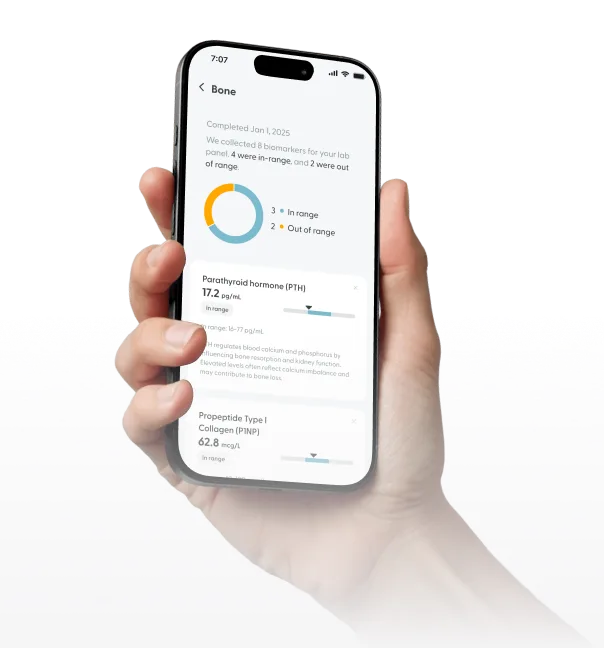
Accurate testing, if needed, can confirm your diagnosis and guide the best course of treatment

Licensed providers can send prescriptions to your local pharmacy within an hour, day or night.

step 1
Book a telehealth appointment from wherever you are. No insurance necessary.

step 2
Meet with a board-certified doctor or nurse practitioner from your mobile device.

step 3
Get a prescription if needed (save up to 90%), and pick it up at your pharmacy.
Tension headaches are the most common type of headache, characterized by a dull, aching pain and tightness or pressure across the forehead or on the sides and back of the head, often described as feeling like a tight band around the head. Many people confuse tension headaches with migraines or sinus headaches. Tension headaches cause mild to moderate steady pressure or tightness without throbbing, typically affect both sides of the head, and don't include nausea, vomiting, or visual disturbances, whereas migraines cause intense throbbing pain usually on one side with nausea and sensitivity to light, and sinus headaches involve facial pressure with nasal congestion.
Tension headaches can cause uncomfortable symptoms such as dull, aching head pain, tightness or pressure across the forehead or back of the head, tenderness in the scalp, neck, and shoulder muscles, and in some cases, difficulty concentrating or mild sensitivity to light or noise. Getting the right treatment plan for tension headaches can help relieve pain, reduce frequency of headaches, address underlying triggers like stress or muscle tension, and improve your quality of life without headaches interfering with daily activities.
With LifeMD, you can get immediate help and treatment online without an in-office appointment. Prescription medications can effectively manage tension headaches and help prevent them from becoming chronic.
Get Started Get Started
Total Cholesterol

37 mg/mL
In range

LDL (Low-Density Lipoprotein)
47 mg/mL
In range

Triglycerides
158 mg/mL
Above range


Amitriptyline is a tricyclic antidepressant that works by affecting neurotransmitters in the brain to reduce pain signals and prevent tension headaches from occurring. It's used as a preventive medication for people who experience frequent tension headaches (more than two per week) rather than for treating active headaches. It's typically taken once daily at bedtime, starting at a low dose that's gradually increased. Most people notice a reduction in headache frequency and severity within two to four weeks, with maximum benefits after six to eight weeks of consistent use.
Cyclobenzaprine is a muscle relaxant that works by reducing muscle spasms and tension in the neck and shoulders that often contribute to tension headaches. It's particularly useful when tension headaches are associated with muscle tightness or stress-related muscle tension. It's typically taken two to three times daily or at bedtime and provides relief within 30 minutes to an hour. It can cause drowsiness, so it's often taken in the evening. It's usually used for short periods (two to three weeks) rather than long-term management.
Naproxen is a nonsteroidal anti-inflammatory drug that works by reducing inflammation and blocking pain signals to relieve tension headache pain. Prescription-strength formulations are more potent than over-the-counter versions and provide longer-lasting relief. It's typically taken twice daily and is effective for both treating active tension headaches and preventing frequent headaches when taken regularly. It provides relief within one to two hours and can help reduce headache frequency when used consistently.
“Dr. Puopolo is a very knowledgeable doctor with vast experience in different medical fields. I feel I am in good hands.”
Verified Patient

“Great experience!! Never have done online telehealth before but for sure will again :)”
Verified Patient
“Dr. Culpepper was amazing. He explained things to me that I didn’t understand.”
Verified Patient
“Dr. Sehgal was amazing! Super helpful. She was answering my questions before I even asked. Very happy I picked her.”
Verified Patient
"The appointment went great. It was quick and easy, and the doctor was right on top of things!"
Verified Patient
Reviews shown are from verified LifeMD patients across various services. Photos are for illustrative purposes only.

Tension headaches are caused by muscle tension and tightness in the head, neck, and shoulders. Common triggers include stress and anxiety, which cause muscles to contract and tighten. Poor posture, especially from sitting at a desk or computer for long periods with your head forward or shoulders hunched, strains neck and shoulder muscles. Eye strain from prolonged screen time, reading without breaks, or uncorrected vision problems contributes to muscle tension. Jaw clenching or teeth grinding (bruxism), often related to stress, creates tension in facial and head muscles. Fatigue and lack of sleep leave muscles tense and the body less able to manage stress. Skipping meals or dehydration can trigger headaches. Environmental factors like bright lights, loud noises, or strong odors may contribute. Physical factors like arthritis in the neck, temporomandibular joint (TMJ) disorders, or previous head or neck injuries can cause chronic muscle tension.
Depression and anxiety are often associated with frequent tension headaches. Unlike migraines which have clearer genetic and neurological causes, tension headaches are primarily related to muscle tension and stress, making lifestyle management particularly important for prevention.
Relieving tension headaches involves both immediate pain relief and addressing underlying causes. For immediate relief, take over-the-counter pain relievers like ibuprofen, acetaminophen, or aspirin at the first sign of a headache. Apply a heating pad or warm compress to tense neck and shoulder muscles, or use a cold compress on your forehead. Gently massage your temples, scalp, neck, and shoulders to release muscle tension. Practice relaxation techniques like deep breathing, meditation, or progressive muscle relaxation. Rest in a quiet, dark room if possible. Stay hydrated and avoid caffeine if it triggers your headaches. For longer-term management, identify and avoid triggers like stress, poor posture, eye strain, or skipped meals. Practice good posture, especially if you work at a desk. Get regular exercise, adequate sleep, and manage stress through yoga, therapy, or stress-reduction techniques. For frequent headaches, prescription preventive medications may be necessary.
Tension headaches typically last 30 minutes to several hours, though they can persist for days in some cases. Episodic tension headaches occur occasionally and usually last a few hours, resolving on their own or with over-the-counter pain relief. Chronic tension headaches occur 15 or more days per month for at least three months and can last for days or be nearly constant. With treatment, most tension headaches resolve within a few hours. Headaches lasting longer than a day, occurring very frequently, or significantly worsening should be evaluated by a healthcare provider to rule out other causes and develop an appropriate treatment plan.
While occasional tension headaches may never completely disappear for most people, chronic or frequent tension headaches can often be significantly reduced or eliminated through proper management. Identifying and consistently avoiding triggers, managing stress effectively, maintaining good posture and ergonomics, getting regular exercise and adequate sleep, and staying hydrated can dramatically reduce headache frequency.
For people with chronic tension headaches, preventive medications taken daily can reduce frequency and severity to the point where headaches become rare or minimal. Physical therapy, massage, or other treatments addressing muscle tension can provide lasting relief. However, tension headaches may still occur occasionally during times of high stress or poor sleep, so ongoing lifestyle management is important for long-term prevention.
Online tension headache treatments typically involve a virtual consultation with a licensed healthcare provider. During the consultation, you can discuss your symptoms including headache frequency, duration, and severity, describe what the pain feels like and where it's located, identify triggers you've noticed, explain what treatments you've tried, and share how headaches impact your daily life.
You'll receive a personalized treatment plan which may include prescription pain relievers, preventive medications if headaches are frequent, muscle relaxants, and lifestyle recommendations for stress management and trigger avoidance.
Be sure to provide your doctor with detailed information, such as:
• How often you get headaches and how long they typically last
• What the pain feels like and where it's located
• Triggers that seem to cause headaches (stress, posture, sleep, foods)
• What makes headaches better or worse
• Medications you've tried and their effectiveness
• Whether headaches interfere with work, sleep, or daily activities
• Underlying health conditions, current medications, or any allergies
The more information you provide, the better your doctor can determine if you have tension headaches, assess their severity, and prescribe appropriate treatment or preventive medications.
LifeMD offers online tension headache consultations and can provide prescriptions for pain relievers, preventive medications, or muscle relaxants. You can have these sent to your local pharmacy, where your medication will be prepared for pick-up.
When it comes to treating tension headaches, acute pain relievers like naproxen or ibuprofen typically provide relief within one to two hours. Muscle relaxants work within 30 minutes to an hour when taken for active headaches. Preventive medications like amitriptyline take longer – most people notice a reduction in headache frequency within two to four weeks, with maximum benefits after six to eight weeks of consistent daily use.
Lifestyle modifications like improved posture, stress management, and regular exercise show gradual improvement over several weeks to months. For immediate headaches, treatment provides relief within hours. For chronic tension headaches, preventive approaches require patience and consistency but can significantly reduce headache burden over time. If headaches don't improve with treatment or worsen, contact your healthcare provider for further evaluation.

Family Medicine
4.93 stars 170 reviews

Internal Medicine
4.98 stars 178 reviews

Internal Medicine
4.92 stars 261 reviews

Family Medicine
4.94 stars 178 reviews

Hormone Specialist
4.92 stars 163 reviews