Schedule
Book a telehealth appointment from wherever you are. No insurance necessary.

 Main Menu
Achieve your weight-loss goals with GLP-1 treatments like Wegovy® and Zepbound®, guided by licensed providers every step of the way.
Personalized care for women, with HRT and lifestyle support to ease menopause symptoms and restore balance.
Personalized care for men, with treatments for testosterone, sexual health, hair loss, and more.
Simple, supportive mental health care on your terms, including access to prescription medication when appropriate.
Connect with board-certified cardiologists to help manage blood pressure, cholesterol, and long-term cardiovascular risk — from the comfort of home.
Care without the wait—connect 24/7 with licensed providers for same-day prescription refills and common concerns like colds, flu, rashes, and more.
Talk to a doctor anytime, anywhere — 24/7 urgent & primary care with a telehealth visit in under one hour.
Get your medication prescribed online and sent same-day to your local pharmacy for pickup.
Save time, money, and the hassle — no in-person visits or insurance required.


Prescription treatments are tailored to your specific condition, ensuring effective relief.

Urgent evaluation is crucial to identify your condition early and prevent complications.

Accurate testing, if needed, can confirm your diagnosis and guide the best course of treatment

Licensed providers can send prescriptions to your local pharmacy within an hour, day or night.

step 1
Book a telehealth appointment from wherever you are. No insurance necessary.

step 2
Meet with a board-certified doctor or nurse practitioner from your mobile device.
step 3
Get a prescription if needed (save up to 90%), and pick it up at your pharmacy.
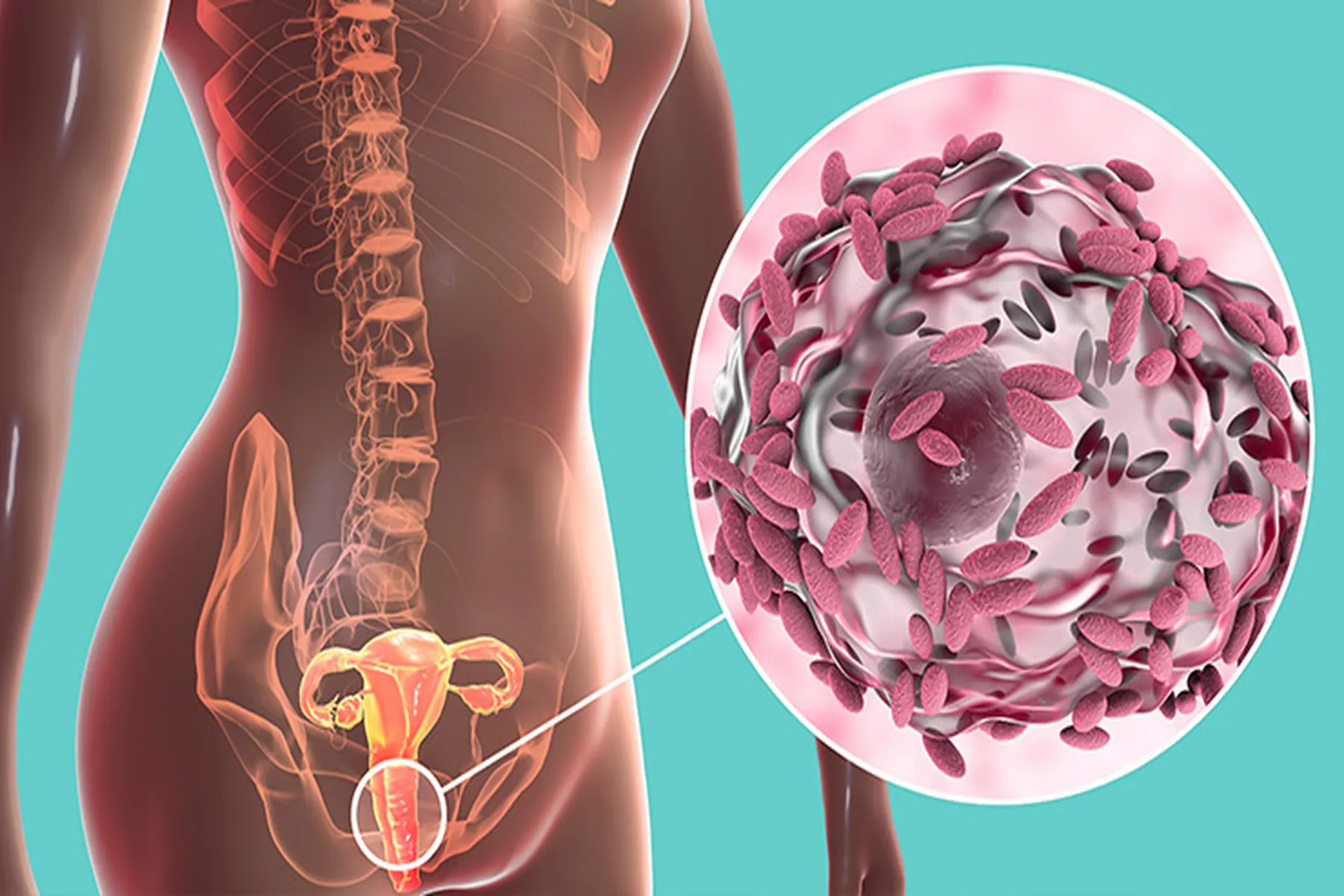
A vaginal yeast infection is a fungal infection that causes irritation, discharge, and uncomfortable itching of the vagina and vulva (the tissues at the opening of the vagina).
If left untreated, a vaginal yeast infection can get worse. Fortunately, treatments are available to help ease symptoms and clear the infection.
Get Started Get Started
Total Cholesterol

37 mg/mL
In range

LDL (Low-Density Lipoprotein)
47 mg/mL
In range

Triglycerides
158 mg/mL
Above range


Part of a class of drugs called azole antifungals that is used to prevent and treat a variety of fungal and yeast infections.
An azole antifungal, available as a cream or suppository, that stops the growth of yeast and helps soothe the symptoms related to yeast infections.
A cream used to treat vaginal yeast infections. It helps reduce vaginal burning, itching, and discharge.
“Dr. Puopolo is a very knowledgeable doctor with vast experience in different medical fields. I feel I am in good hands.”
Verified Patient

“Great experience!! Never have done online telehealth before but for sure will again :)”
Verified Patient
“Dr. Culpepper was amazing. He explained things to me that I didn’t understand.”
Verified Patient
“Dr. Sehgal was amazing! Super helpful. She was answering my questions before I even asked. Very happy I picked her.”
Verified Patient
"The appointment went great. It was quick and easy, and the doctor was right on top of things!"
Verified Patient
Reviews shown are from verified LifeMD patients across various services. Photos are for illustrative purposes only.

If you have a yeast infection, the look and feel of your vulva may change. For example, the area of skin just outside your vaginal opening may itch and burn. These symptoms may become worse when you urinate. You may also notice a discharge that’s thicker and lumpier than usual.
Candida, a type of yeast, is naturally present in the body. When there’s a healthy balance of microorganisms in the body, the amount of Candida stays in check. But when there's an imbalance or variation in vaginal bacteria (such as if too much bacteria has been removed via antibiotics or douching), Candida can overgrow and cause a yeast infection. Chronic yeast infections can occur if conditions in the body are often favorable for yeast overgrowth.
Yes, men can get yeast infections, also known as male candidiasis or balanitis. Yeast infections in men are caused by an overgrowth of the fungus Candida, which can cause symptoms such as itching, redness, and discharge on the penis or in the genital area.
Yeast infections in men are less common than in women, but they can occur in men of any age. Certain factors can increase the risk of developing a yeast infection in men, such as having diabetes, taking antibiotics, being uncircumcised, or engaging in sexual activity with a partner who has a yeast infection.
The duration of a yeast infection can vary, but most infections clear up within a week with the proper treatment. However, time frames depend on the severity of the infection and the type of treatment.
Though yeast infections are rarely contagious through sex and are commonly caused by an overgrowth of yeast, they can cause irritation and discomfort during sex. So it's recommended that you avoid sexual activity until your yeast infection has cleared.
A yeast infection can cause a number of symptoms, including bleeding (as anything that irritates the tissue of the vulva, vagina, or cervix can lead to bleeding). Light bleeding or spotting isn’t usually cause for concern. But if the bleeding is heavy — or if it continues after the infection has cleared — it could be a sign of a separate underlying condition. Be sure to reach out to your medical provider.
While it’s possible for a yeast infection to go away on its own, this isn’t always the case. Mild yeast infections may clear up without treatment, especially if the underlying cause of the infection has been addressed (such as discontinuing the use of antibiotics or treating underlying medical conditions). However, more severe or recurrent yeast infections may require medical treatment to resolve.

Family Medicine
4.93 stars 170 reviews

Internal Medicine
4.98 stars 178 reviews

Internal Medicine
4.92 stars 261 reviews

Family Medicine
4.94 stars 178 reviews

Hormone Specialist
4.92 stars 163 reviews