
The Six Peptides Explained: BPC-157, MOTS-c, TB-500, KPV, Semax, and Epitalon

Quick Read
You’ve likely heard of “peptides”, but it’s hard to find a straight answer on what exactly that means. These are the six peptides covered by the Department of Health and Human Services’ (HHS) October 2026 policy, which lets licensed pharmacies compound them under strict conditions. None are FDA-approved, and the research behind each one ranges from small human studies to lab and animal data only. Your provider can help you sort out which, if any, makes sense for you.
Six peptides went from wellness forums to federal policy in a single fall. Each one has a different origin, a different form, and a different amount of research behind it. Here's a quick, honest introduction to each, plus how LifeMD approaches peptide care.
What are the Six Peptides in the HHS Policy?
The six peptides covered by HHS's October 2026 policy are BPC-157, TB-500, KPV, MOTS-c, Semax, and Epitalon. Each is covered only in specific forms and routes, and none has controlled trials in humans showing the benefits people are looking for.
Peptide | Covered form and route | Research so far |
BPC-157 | Injection, oral, topical | Mostly animal studies, plus three small pilot studies in humans |
Semax | Nasal spray | Registered as nasal drops in Russia, plus one small imaging study in healthy adults |
Epitalon | Injection, in intermittent courses | A few small studies from Russia that measured melatonin and genetic markers |
TB-500 | Injection | Lab and animal studies only |
KPV | Oral, topical | Mouse and cell studies only |
MOTS-c | Injection | Mouse studies, with one trial in humans now recruiting |
The amount of research varies from peptide to peptide. None of the six is FDA-approved, so each has to be compounded by a licensed pharmacy with a prescription.
What is BPC-157?
BPC-157 is a lab-made peptide of 15 amino acids, based on part of a protein found naturally in the stomach. BPC stands for "body protection compound". It's the most talked-about peptide online and the one most people ask about first.
Covered forms: Injection, oral, and topical.
Evidence tier: Tier 2.BPC-157 has mostly been studied in animals, and human research is limited. In one review, 35 of 36 studies were done in animals or labs, not people, and the FDA found no human studies using oral or injected forms.
Keep in mind: The only human data comes from a small case series of knee injections, which is too limited to draw conclusions from. BPC-157 is also banned in tested sports.
BPC-157 isn't FDA-approved, so it has to be compounded by a licensed pharmacy with a prescription.
What is TB-500?
TB-500 is a lab-made peptide modeled on a small piece of thymosin beta-4, a protein your body makes naturally. It often comes up in conversations about BPC-157, and some people choose to pair the two.
Covered form: Injection.
Evidence tier: Tier 3. The FDA found no human studies of TB-500. In its one direct lab test, TB-500 showed no wound-healing effect.
Keep in mind: The FDA says TB-500 is a different substance from thymosin beta-4, so research on thymosin beta-4 doesn't apply to it. TB-500 is also prohibited in tested sports.
TB-500 isn't FDA-approved, so it has to be compounded by a licensed pharmacy with a prescription.
What is MOTS-c?
MOTS-c is a peptide your body makes naturally in the mitochondria, the parts of your cells that produce energy. The compounded version is made in a lab and given by injection.
Covered form: Injection.
Evidence tier: Tier 3. Research on taking MOTS-c comes from mice. A placebo-controlled human trial is recruiting, with no results yet.
Keep in mind: Because your body makes MOTS-c, it can sound like a natural top-up. There's no evidence that people are deficient in it or that adding more is safe. MOTS-c is also prohibited in tested sports.
MOTS-c isn't FDA-approved, so it has to be compounded by a licensed pharmacy with a prescription.
What is KPV?
KPV is a tiny peptide made of just three amino acids (lysine, proline, and valine). It comes from the tail end of alpha-MSH, a hormone your body makes naturally.
Covered forms: Oral and topical.
Evidence tier: Tier 3. Research on KPV comes from mouse and cell studies only, and the FDA found no human studies.
Keep in mind: The FDA notes that KPV doesn't absorb well through the skin, and it only reviewed a low-strength topical version.
KPV isn't FDA-approved, so it has to be compounded by a licensed pharmacy with a prescription.
What is Semax?
Semax is a lab-made peptide based on a fragment of ACTH, a hormone your body makes naturally. It was developed in Russia, where it's registered as nasal drops.
Covered form: Nasal spray.
Evidence tier: Tier 2. One small imaging study in healthy adults reported no results on thinking or memory.
Keep in mind: Semax's registration in Russia doesn't show that it works, and it doesn't cover the nasal spray compounded in the U.S.
Semax isn't FDA-approved, so it has to be compounded by a licensed pharmacy with a prescription.
What is Epitalon?
Epitalon is a lab-made peptide of four amino acids, based on an extract from the pineal gland, the part of the brain that makes melatonin. It was also developed in Russia and is given by injection in short, repeated courses.
Covered form: Injection, in intermittent courses.
Evidence tier: Tier 2. Small Russian studies, some co-authored by the peptide's developer, measured melatonin levels and genetic markers. No study has measured sleep.
Keep in mind: Epitalon is linked to telomerase, an enzyme involved in cell aging. The FDA flagged a possible cancer concern tied to this effect.
Epitalon isn't FDA-approved, so it has to be compounded by a licensed pharmacy with a prescription.
How is LifeMD's Approach to Peptides Different?
LifeMD pairs every peptide prescription with a licensed provider, a named state-licensed pharmacy, and a straight answer about what the research shows. Here's what that looks like.
A provider reviews your health first: Your provider looks at your health history, current medications, and goals before prescribing anything, and may recommend a different option.
Made by a licensed pharmacy you can name: Your peptide is compounded by LifeMD’s state-licensed 503A partner pharmacies, for you specifically.
Quality standards built in: Pharmacies working under the HHS policy must meet requirements for ingredient sourcing, quality testing, labeling, and side effect reporting.
One peptide per product: Each compounded product contains a single active ingredient, as the HHS policy requires.
Care that fits your current treatment: If you're already on HRT, testosterone, a GLP-1 medication, or any other medication, your provider factors that in.
Ongoing support: Your care team helps with follow-up questions and side effects, and will let you know if the rules on peptides change.
Who Shouldn't Use These Peptides?
People who are pregnant, breastfeeding, trying to conceive, or who have active or recent cancer shouldn't use these peptides. BPC-157, TB-500, and MOTS-c are prohibited in tested sports, so competitive athletes should avoid them. Your provider will review your full health history before prescribing anything.
Can a LifeMD Provider Help You Choose a Peptide?
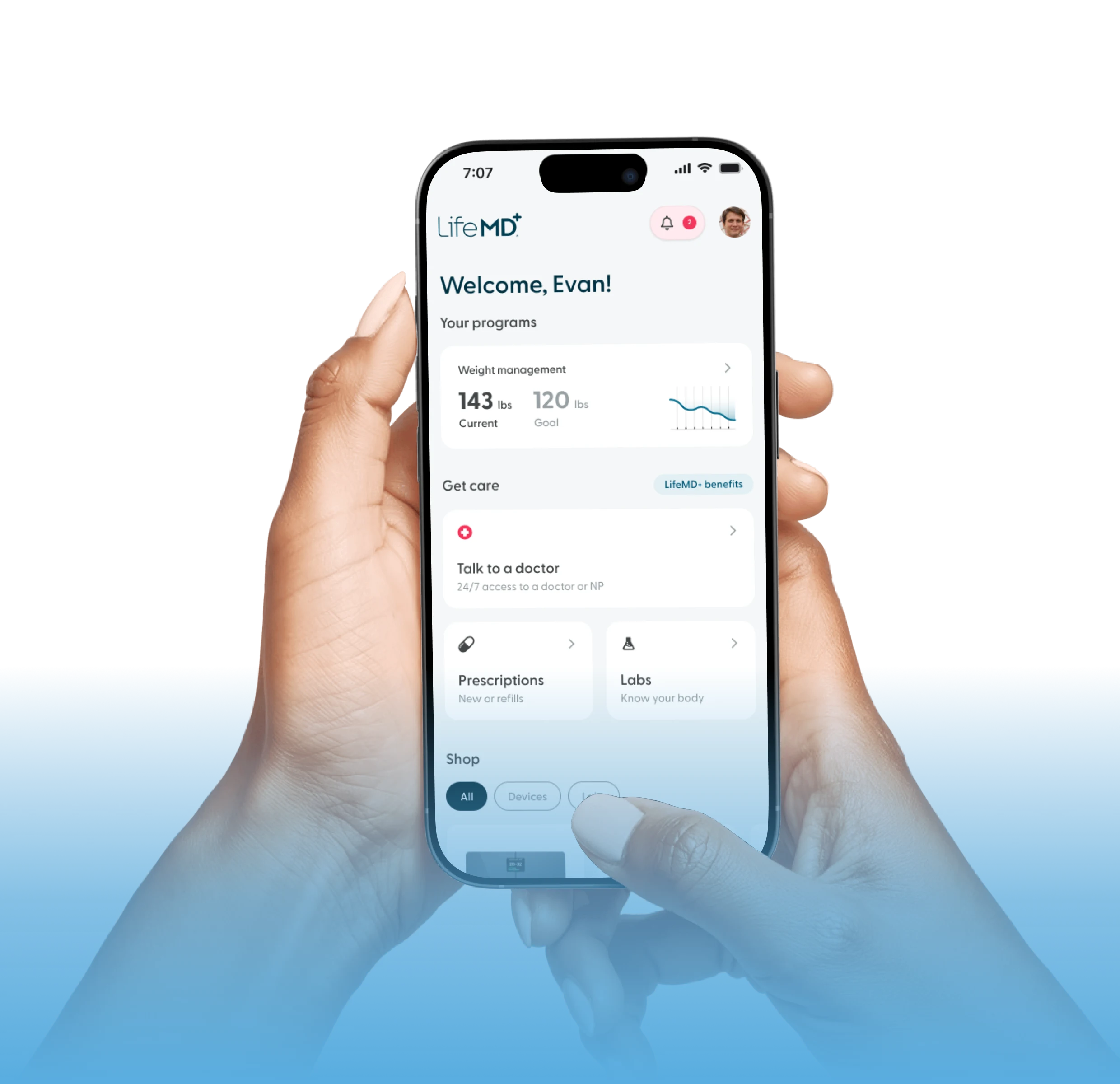
Peptide care is coming soon to LifeMD, with a licensed provider guiding every step. You’ll start with a quick online intake from home, and your provider will review your health history, current medications, and goals to see whether a peptide may be a fit. If it is, it’s compounded by LifeMD’s state-licensed 503A partner pharmacies, and shipped to your door. Your care team stays with you for follow-up questions, side effect support, and updates if the rules on peptides change. Your provider may also recommend a different option.
The information provided is not a substitute for professional medical advice and is for informational purposes only. Availability of specific treatments and offerings varies by state. Medications prescribed if clinically appropriate based on completion of required consultation.
Compounded peptides have not been subject to significant clinical trials, are not FDA approved, and have not been evaluated by the FDA for safety, efficacy, or quality.