
Comparing Comprehensive GLP-1 Programs and a Prescription-Only Service

Most online weight management services promise the same thing: meaningful weight loss with GLP-1 medication. Where they diverge is everything that comes after. Some provide a prescription following a brief questionnaire and little else. Others build care around that prescription with ongoing provider visits, baseline lab work, help managing side effects, and support adjusting your dose over time.
The difference between those two approaches can determine whether you stay on treatment, tolerate it comfortably, and actually see results.
What Does a Comprehensive GLP-1 Program Include?
GLP-1 therapy should be a personalized process and a program worth joining recognizes that. From your first visit to ongoing dose adjustments, comprehensive care is built around the reality that what works looks different for everyone.

Foundayo® (orforglipron)

Wegovy® Pill (semaglutide)
Zepbound® (tirzepatide)
Wegovy® (semaglutide)

Saxenda® (liraglutide)
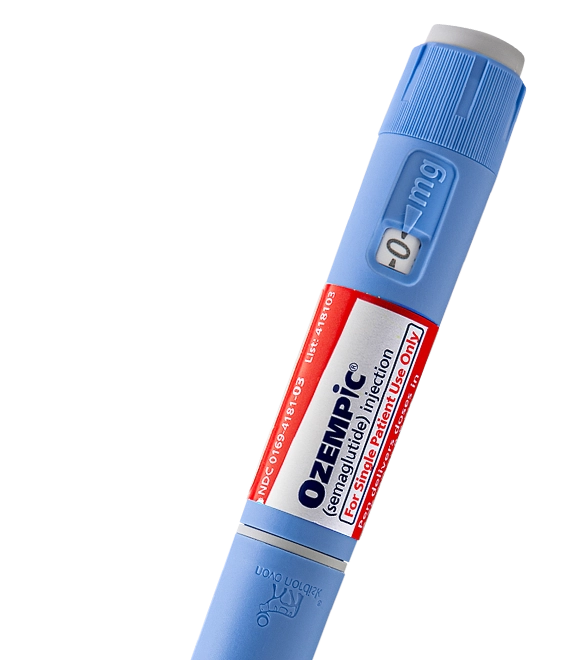
Ozempic® (semaglutide)
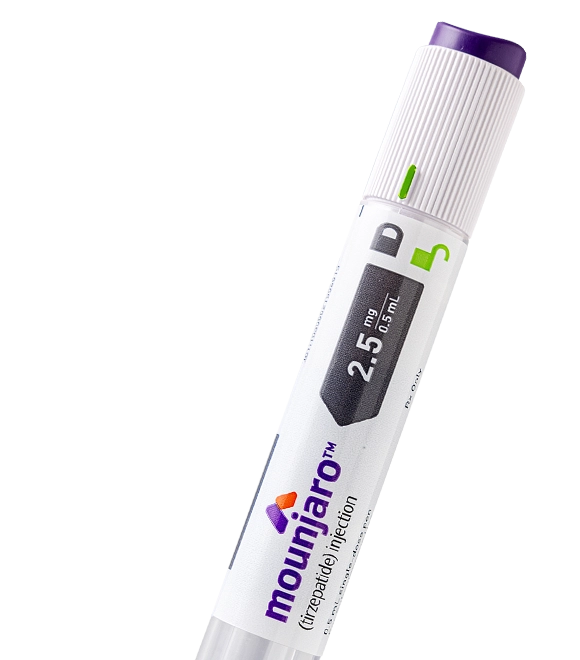
Mounjaro® (tirzepatide)
Provider visits beyond intake
Starting a GLP-1 is one thing. Staying on one – comfortably, safely, and effectively – is another. Gastrointestinal side effects like nausea, vomiting, and diarrhea are the single most cited reason patients stop these medications, accounting for about 28% of all discontinuations in a 2025 real-world analysis of nearly 79,000 patients. Regular check-ins with a provider give you a chance to flag what isn't working before it becomes a reason to stop treatment, whether that means adjusting your dose, managing side effects, or simply having someone in your corner who knows your history.
Baseline and follow-up lab work
Starting a GLP-1 medication without a clear picture of your baseline health is a bit like navigating without a map. The lab work done before treatment begins and periodically throughout gives your provider the clinical context needed to personalize your care, catch anything worth monitoring, and adjust your treatment as your health evolves.
The World Health Organization's 2025 guideline on GLP-1 therapies for obesity emphasizes that personalized, periodic monitoring of treatment response and adverse events is essential for sustained outcomes. Depending on your health history, relevant testing may include HbA1c, kidney function, or electrolytes if you experience persistent GI symptoms.
Titration support
GLP-1 medications start low and increase gradually – typically in four-week intervals – to help your body adjust. That process looks different for everyone. Some people tolerate the standard titration schedule while others need a slower pace. The difference between a comprehensive program and a prescription-only service often comes down to exactly this: having a medical professional who's actively managing your timeline based on how you're actually doing, not a fixed algorithm moving you to the next dose regardless.
Medication access and pharmacy coordination
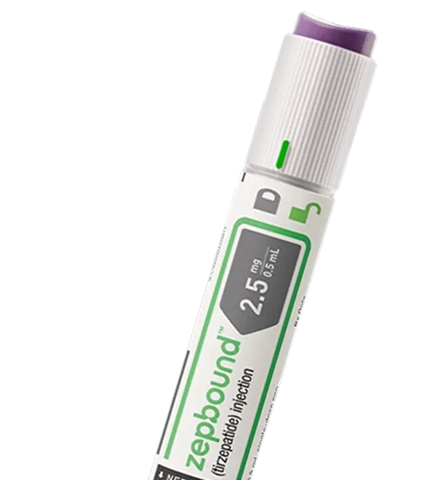
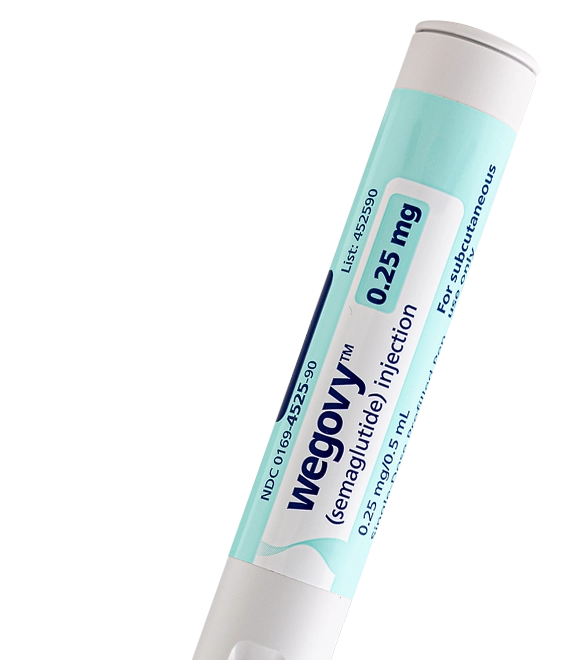
Not all programs have access to the same formulary. The FDA-approved GLP-1 options available for weight management span a range of formats and mechanisms from weekly injectables like Wegovy® and Zepbound® to once-daily oral options like Foundayo® or the Wegovy® pill. The right choice depends on your health history, preferences, and what your insurance will cover.
A comprehensive program works with you to identify the best fit, and handles the logistics of getting there: insurance verification, prior authorizations, and cost estimates before you commit. A prescription-only service hands you a script and leaves the rest to you.
Lifestyle and behavioral support
Medication gets you part of the way there, but GLP-1s are most effective when paired with meaningful changes to how you eat, move, and sleep.
The WHO's 2025 guidelines specifically recommend intensive behavioral support as a co-intervention, including counseling on goal setting, physical activity, and nutrition as part of any comprehensive treatment plan. A program that hands you a prescription without addressing the lifestyle side of the equation is leaving results on the table.
What to Ask Before You Enroll
Pricing in telehealth weight management can be layered and a headline number for "GLP-1 access" doesn't always reflect what you'll actually pay. Before committing to any program, it's worth getting clear answers to a few key questions:
Is the monthly fee a membership cost, a medication cost, or both?
Are provider visits, lab orders, and secure messaging included, or billed separately?
What happens if your dose changes? Does a higher dose cost more?
Is the medication a branded, FDA-approved product, and which ones are available?
If I decide to cancel, are partial months prorated?
Clear answers to these questions are a good sign. Vague ones typically mean surprise charges later.
Why Ongoing Supervision Matters
The hardest part of GLP-1 therapy isn't starting. It's staying on track safely and effectively over time. And the data makes clear just how common dropping off really is. Research shows that more than 125,000 adults found that most patients discontinue GLP-1 therapy within a year, with even higher rates among those without type 2 diabetes. A 2026 Washington University study of more than 333,000 patients found that stopping treatment – even for as little as six months – was associated with measurable increases in the risk of major cardiovascular events.
Get prescription weight loss medication — no injection required.
Find out if you're eligible for the Wegovy® pill, and get started on your weight loss journey. Program starting at $75/month .
Those numbers aren't meant to be discouraging. They're meant to illustrate why the structure around your medication matters as much as the medication itself. A care team that checks in regularly, helps you navigate side effects, and adjusts your treatment when life gets in the way isn't a nice-to-have – it's what makes long-term outcomes possible.
How LifeMD Approaches Weight Management
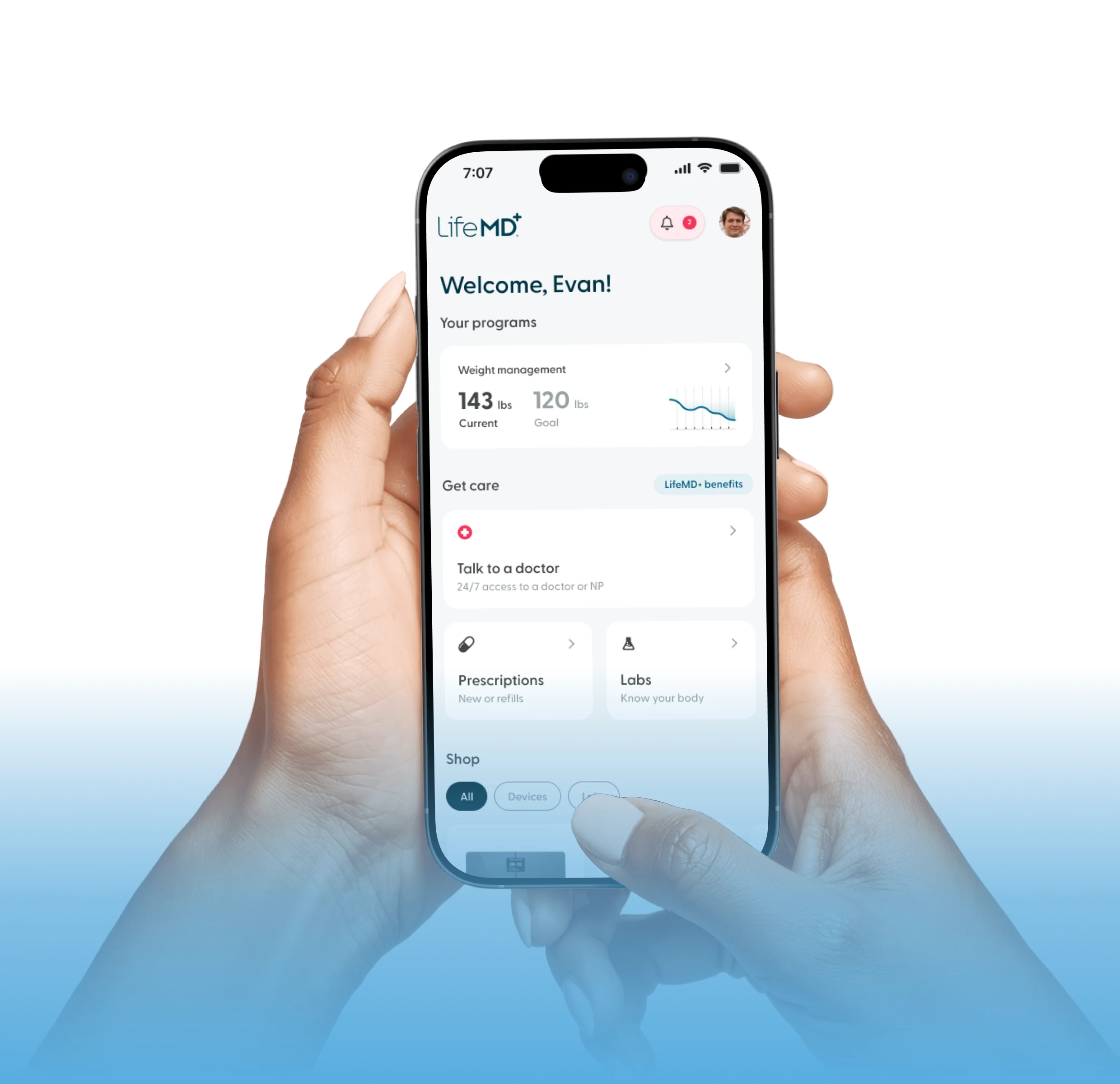
The LifeMD Weight Management Program combines access to FDA-approved GLP-1 medications with licensed provider oversight, metabolic lab testing, and insurance concierge support. Your care team stays consistent through appointments, dose adjustments, and side-effect management, and LifeMD verifies insurance coverage and handles prior authorizations on your behalf, so you have a clear picture of cost before you start.
If you're weighing your options, the most useful thing you can do is compare what's actually included, not just what's advertised.