Schedule
Book a telehealth appointment from wherever you are. No insurance necessary.

 Main Menu
Achieve your weight-loss goals with GLP-1 treatments like Wegovy® and Zepbound®, guided by licensed providers every step of the way.
Personalized care for women, with HRT and lifestyle support to ease menopause symptoms and restore balance.
Personalized care for men, with treatments for testosterone, sexual health, hair loss, and more.
Simple, supportive mental health care on your terms, including access to prescription medication when appropriate.
Care without the wait—connect 24/7 with licensed providers for same-day prescription refills and common concerns like colds, flu, rashes, and more.
Talk to a doctor anytime, anywhere — 24/7 urgent & primary care with a telehealth visit in under one hour.
Get your medication prescribed online and sent same-day to your local pharmacy for pickup.
Save time, money, and the hassle — no in-person visits or insurance required.


Prescription treatments are tailored to your specific condition, ensuring effective relief.

Urgent evaluation is crucial to identify your condition early and prevent complications.
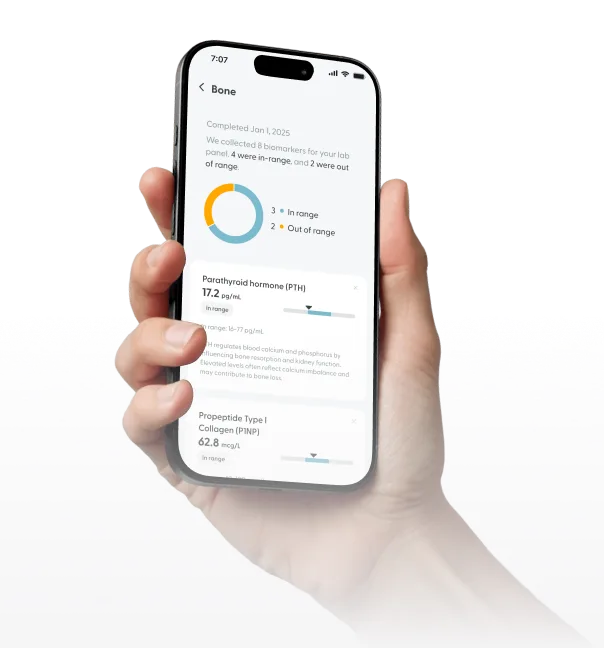
Accurate testing, if needed, can confirm your diagnosis and guide the best course of treatment

Licensed providers can send prescriptions to your local pharmacy within an hour, day or night.
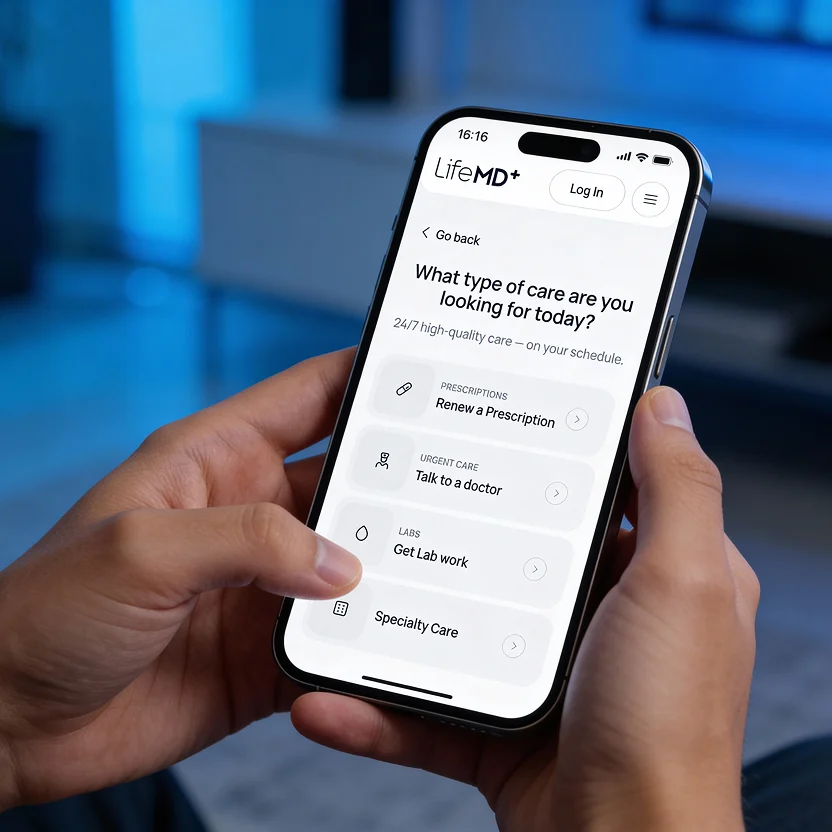
step 1
Book a telehealth appointment from wherever you are. No insurance necessary.

step 2
Meet with a board-certified doctor or nurse practitioner from your mobile device.
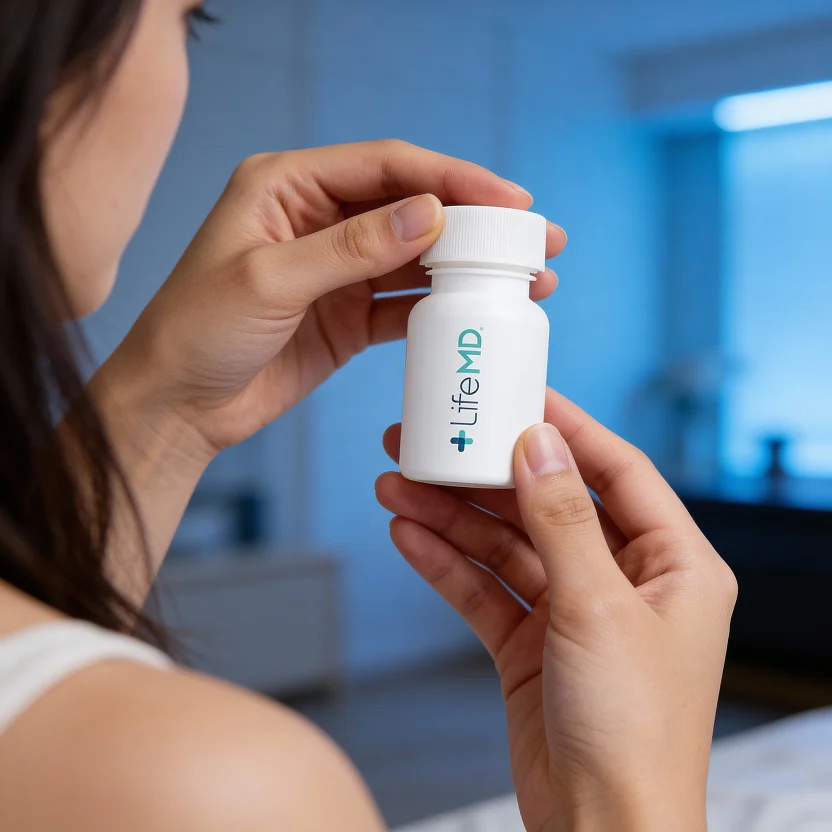
step 3
Get a prescription if needed (save up to 90%), and pick it up at your pharmacy.
Migraines are a neurological condition characterized by intense, throbbing headaches often accompanied by nausea, vomiting, and sensitivity to light and sound. Many people confuse migraines with regular headaches or tension headaches. Migraines are a complex neurological disorder that causes moderate to severe throbbing pain, usually on one side of the head, along with other symptoms like visual disturbances and nausea, whereas tension headaches cause mild to moderate pressure or tightness around the head without the additional neurological symptoms.
Getting the right treatment plan for migraines can help reduce the frequency and severity of attacks, provide relief during episodes, and improve your quality of life by preventing migraines from disrupting your daily activities.
With LifeMD, you can get immediate help and treatment online without an in-office appointment. Prescription medications can effectively manage migraines and help you regain control over your life.
Get Started Get Started
Total Cholesterol

37 mg/mL
In range

LDL (Low-Density Lipoprotein)
47 mg/mL
In range

Triglycerides
158 mg/mL
Above range


Sumatriptan is a triptan medication that works by narrowing blood vessels around the brain and blocking pain pathways to stop migraine attacks. It's one of the most commonly prescribed acute migraine treatments and is most effective when taken at the first sign of a migraine. It's available in multiple forms including tablets, nasal spray, and injection, with the injection providing the fastest relief (within 10-15 minutes). It's typically used as needed during migraine attacks, not as a daily preventive medication.
Rizatriptan is a triptan medication similar to sumatriptan but often works faster and may be more effective for some people. It works by constricting blood vessels and blocking pain signals in the brain to stop migraine attacks. It's available as regular tablets or orally disintegrating tablets that dissolve on the tongue without water, making it convenient when nausea makes swallowing difficult. It typically provides relief within 30 minutes to two hours and is taken at the onset of migraine symptoms.
[Topiramate](https://lifemd.com/drugs/t/topiramate) is an anticonvulsant medication used as a preventive treatment to reduce the frequency and severity of migraines. It works by affecting neurotransmitters in the brain and stabilizing nerve activity to prevent migraines from occurring. It's taken daily, typically starting at a low dose that's gradually increased, and it may take several weeks to months to see the full preventive effect. It's particularly useful for people who experience frequent migraines (four or more per month) and need ongoing prevention rather than just acute treatment.
“Dr. Puopolo is a very knowledgeable doctor with vast experience in different medical fields. I feel I am in good hands.”
Verified Patient

“Great experience!! Never have done online telehealth before but for sure will again :)”
Verified Patient
“Dr. Culpepper was amazing. He explained things to me that I didn’t understand.”
Verified Patient
“Dr. Sehgal was amazing! Super helpful. She was answering my questions before I even asked. Very happy I picked her.”
Verified Patient
"The appointment went great. It was quick and easy, and the doctor was right on top of things!"
Verified Patient
Reviews shown are from verified LifeMD patients across various services. Photos are for illustrative purposes only.

There are several types of migraines, each with distinct characteristics. Migraine without aura is the most common type, causing severe throbbing headache, nausea, and sensitivity to light and sound without warning signs. Migraine with aura includes visual or sensory disturbances like flashing lights, blind spots, tingling, or speech difficulties that occur 10 to 60 minutes before the headache starts.
Chronic migraine involves having headaches 15 or more days per month for at least three months, with at least eight of those days meeting migraine criteria. Hemiplegic migraine is a rare type that causes temporary paralysis or weakness on one side of the body, mimicking stroke symptoms. Vestibular migraine causes dizziness and balance problems with or without headache. Menstrual migraine occurs in a predictable pattern related to the menstrual cycle due to hormonal fluctuations. Understanding your specific migraine type helps healthcare providers choose the most effective treatment approach.
Migraines typically last between four hours and 72 hours if untreated or unsuccessfully treated. The duration varies significantly from person to person and even between individual attacks in the same person. Some people experience relatively short migraines that resolve within a few hours, while others endure attacks lasting several days. A migraine attack progresses through several phases: the prodrome (warning symptoms that can start days before), aura (if present, lasting 10-60 minutes), the headache phase (typically four to 72 hours), and the postdrome (recovery phase where you may feel drained or "hungover" for another 24-48 hours). Early treatment with medication can significantly shorten the duration and reduce severity.
While there's currently no permanent cure for migraines, many people can significantly reduce or even eliminate their migraine attacks through a combination of preventive medications, lifestyle modifications, and trigger avoidance. Some people experience periods of remission where migraines become much less frequent or disappear for months or years, though they may return. Identifying and avoiding triggers like certain foods, stress, irregular sleep, dehydration, or hormonal changes can help reduce attack frequency.
Preventive medications taken daily can dramatically decrease how often migraines occur. Some people's migraines improve or resolve naturally over time, particularly after menopause in women whose migraines are hormonally triggered. While complete elimination isn't guaranteed for everyone, effective management can allow many people to live essentially migraine-free with proper treatment and lifestyle adjustments.
Online migraine treatments typically involve a virtual consultation with a licensed healthcare provider. During the consultation, you can discuss your symptoms, describe the frequency, duration, and severity of your migraines, identify any triggers or patterns you've noticed, provide your medical history, and explain what treatments you've already tried. Your provider will assess whether you need acute medications to stop attacks, preventive medications to reduce frequency, or both.
You'll then receive a personalized treatment plan with medication recommendations and any necessary prescriptions. Your healthcare provider may also recommend lifestyle modifications, trigger identification strategies, and guidance on when to take medications for best results.
It's important to be open and honest during your consultation to help your healthcare provider develop the most effective treatment plan. Be sure to provide your doctor with detailed information, such as:
• Your symptoms, including headache location, intensity, and associated symptoms like nausea or aura
• How frequently migraines occur and how long they typically last
• Any triggers you've identified like foods, stress, hormones, or sleep patterns
• Previous treatments you've tried and how effective they were
• Whether migraines interfere with work, school, or daily activities
• Underlying health conditions, current medications, or any allergies
The more information you can provide, the better your doctor can determine whether you need acute treatment, preventive therapy, or both, and prescribe the most appropriate medications for your specific migraine pattern.
LifeMD offers online migraine treatments and can provide you with the prescriptions you need. You can have these sent to your local pharmacy, where your medication will be prepared for pick-up.
When it comes to treating migraines, the timeline depends on whether you're using acute or preventive medications. Acute treatments like triptans typically work within 30 minutes to two hours when taken at the first sign of a migraine, with injections working fastest (10-15 minutes). The sooner you take acute medication after symptoms start, the more effective it will be. For preventive medications like topiramate, beta-blockers, or CGRP inhibitors, it takes much longer – usually four to eight weeks of daily use before you notice a significant reduction in migraine frequency and severity, with maximum benefits often seen after two to three months.
Lifestyle modifications like improving sleep habits, managing stress, and avoiding triggers may show gradual improvement over several weeks. If acute medications don't provide relief within two hours or if preventive medications haven't reduced migraine frequency after two to three months, contact your healthcare provider to adjust your treatment plan.

Family Medicine
4.93 stars 170 reviews

Internal Medicine
4.98 stars 178 reviews

Internal Medicine
4.92 stars 261 reviews

Family Medicine
4.94 stars 178 reviews

Hormone Specialist
4.92 stars 163 reviews