
GHK-Cu and Menopause: Why Your Skin Changes and What You Can Do About it

Quick Read
GHK-Cu is a copper peptide your body naturally produces that signals your skin to make more collagen, elastin, and other molecules that keep skin firm and smooth. During perimenopause and menopause, GHK-Cu levels drop sharply alongside declining estrogen, which is why many women notice their skin loses firmness, develops fine lines, and feels less resilient. Understanding why this happens is the first step toward addressing it.
If you've noticed your skin looking different since perimenopause started, you're not imagining it. Menopause triggers real changes in your skin. And while a lot of attention goes to hot flashes and vaginal health during menopause, your skin deserves equal focus. When you understand what's happening beneath the surface, you can make choices that actually work.
What is GHK-Cu?
GHK-Cu is a copper peptide – a small chain of amino acids bound to copper – that your body naturally produces. When GHK-Cu circulates in your skin, it sends signals telling your skin cells to produce more collagen, elastin, and other supportive structures. It also helps regulate inflammation and supports skin repair.
Collagen is the protein that gives your skin structure and firmness. Elastin is what allows your skin to stretch and bounce back. Together, they keep your skin looking plump, smooth, and resilient. GHK-Cu is one of the key players that tells your body to keep making these proteins as you age.
For decades, GHK-Cu has been studied in skincare and anti-aging research because it's one of the few compounds that actually signals your skin to build rather than just temporarily plump or moisturize. It's a signal that says, "Make more of what keeps skin young."
Does Your Body Naturally Produce GHK-Cu?
Your body makes GHK-Cu naturally from a protein called collagen. But, your body's production of GHK-Cu declines steeply as you age, particularly during perimenopause and menopause. Research shows that GHK-Cu levels drop sharply starting in your 30s and continue declining as estrogen falls during menopause.
This decline matters because less GHK-Cu means fewer signals telling your skin to make new collagen and elastin. Your skin doesn't get the same "repair and rebuild" instructions it used to. Over time, this shows up as loss of firmness, fine lines, and a change in skin texture and density.
Why Does GHK-Cu Decline During Menopause?
GHK-Cu production is linked to estrogen levels. As estrogen drops during perimenopause and menopause, so does GHK-Cu. This isn't a coincidence – estrogen supports collagen synthesis and skin health in multiple ways. When estrogen declines, your skin loses that hormonal support, and your body produces less GHK-Cu to signal collagen production.
The result is skin that feels less firm, looks thinner, develops lines and wrinkles more easily, and doesn't bounce back the way it used to. Many women describe it as their skin "losing elasticity" or feeling "crepey." These aren't just cosmetic changes – they're your skin responding to a real hormonal shift.
How Does Declining Estrogen Affect Your Skin?
Estrogen does a lot for skin health beyond GHK-Cu production. Lower estrogen during menopause means:
Less collagen and elastin production: Estrogen supports the cells that make these proteins. When estrogen drops, so does collagen synthesis, and your skin loses structural support.
Reduced blood flow to skin: Estrogen helps regulate blood vessel function. Lower estrogen can reduce blood flow to your skin, meaning less oxygen and nutrients reach skin cells. This contributes to dullness and slower healing.
Thinner, drier skin: Estrogen helps your skin retain moisture. As estrogen declines, your skin barrier weakens, and moisture loss increases. Your skin may feel drier, more sensitive, and more prone to irritation.
Slower cell turnover: Estrogen supports the process that keeps your skin looking fresh by turning over dead skin cells. When this slows, skin can look dull and texture becomes uneven.
This is why menopausal skin changes often feel pervasive – it's not just one thing. It's a cascade of changes driven by declining estrogen.
Can You Raise GHK-Cu Levels?
Your body produces GHK-Cu naturally, but production declines with age and estrogen loss. You can't simply take GHK-Cu orally (it breaks down in digestion), which is why topical applications and localized approaches have been explored in research.
Supporting your skin during menopause means working with the tools available: protecting skin from sun damage, using proven ingredients like tretinoin and hyaluronic acid to support collagen and hydration, and maintaining healthy habits that support skin health (diet, sleep, stress management).
Does Topical GHK-Cu Cream Work?
Topical GHK-Cu cream delivers the copper peptide directly to your skin surface, where it can signal collagen and elastin production locally. When applied to areas where you're seeing visible aging – fine lines, loss of firmness, thinning skin – GHK-Cu sends the same "build more collagen" message your body would naturally send if GHK-Cu levels hadn't declined.
Research on topical GHK-Cu shows promise for several skin concerns common during menopause:
Fine lines and wrinkles: By signaling increased collagen production, GHK-Cu may reduce the appearance of fine lines and help prevent new wrinkles from forming. The effect builds over time with consistent use.
Skin firmness and elasticity: Many studies show that GHK-Cu supports elastin production and skin density, which can improve firmness and that "bounce" your skin loses during menopause.
Skin texture and radiance: By supporting cell turnover and collagen synthesis, GHK-Cu can improve overall skin texture and give skin a more vibrant appearance.
Healing and resilience: GHK-Cu supports wound healing and reduces inflammation, which means skin may recover faster from irritation and feel more resilient overall.
How Can LifeMD Help?
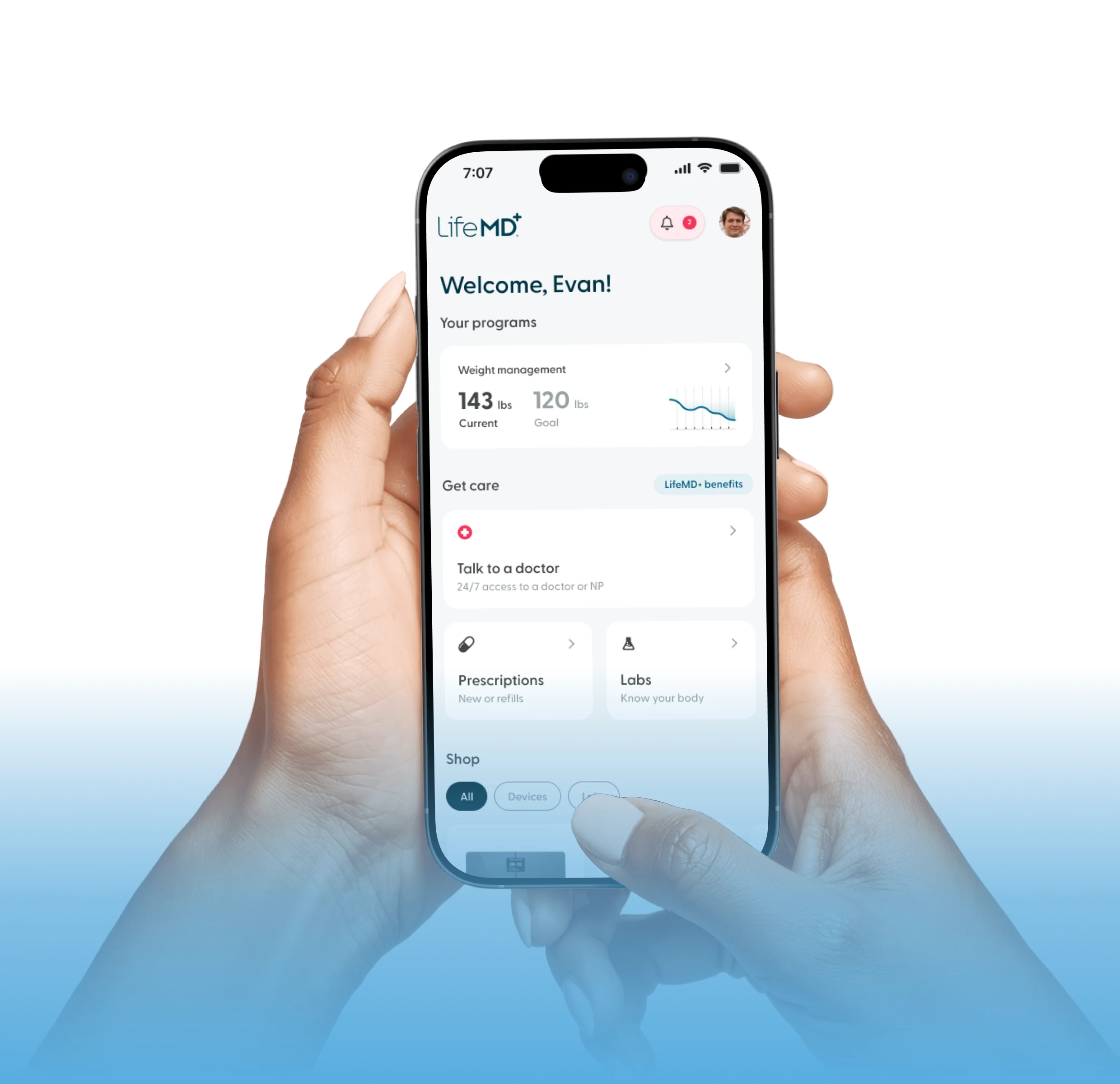
The LifeMD Women's Health Program connects eligible women with licensed healthcare providers who can evaluate your overall menopausal health, discuss how HRT might support both your skin health and help you build a menopause treatment plan that works for you. If treatment is right for you, you'll get ongoing support and follow-up care throughout your journey.
Take the free assessment to see if you qualify.
The information provided is not a substitute for professional medical advice and is for informational purposes only. Availability of specific treatments and offerings varies by state. Medications prescribed if clinically appropriate based on completion of required consultation.