
Online HRT: How Telehealth is Changing Access to Menopause Care

Quick Read
If you're dealing with hot flashes, brain fog, or sleep disruption during menopause but haven't pursued treatment, you're not alone — fewer than 10% of women with menopause actually use hormone therapy despite it being safe and effective for most. The barrier is usually access: specialist wait times are long and many providers lack training in menopause care. Online HRT programs put licensed menopause specialists within reach, providing lab work, personalized dosing (not one-size-fits-all), and ongoing adjustments—not just a one-time prescription.
Most women who experience significant menopause symptoms never receive treatment for them. Hot flashes affect up to 80% of women during midlife. Around 60% report meaningful sleep disruption during the transition. Yet a large-scale analysis of over 1.8 million patients found that fewer than 10% of women diagnosed with menopause were using hormone therapy.
That gap is large, but fortunately telehealth is helping close it.
Feel like yourself again
A licensed provider can help you understand your symptoms and determine if hormone replacement therapy is the right next step.


Why So Many Women Go Untreated
The treatment gap in menopause care isn't really about awareness. Most women experiencing hot flashes, brain fog, sleep disruption, weight changes, and mood shifts know something is off. The barrier is structural.
A lot of it traces back to a single study. In 2002, the Women's Health Initiative raised concerns about cardiovascular and breast cancer risks associated with hormone therapy – and prescribing rates fell sharply. Over the following two decades, estimated HRT use among postmenopausal women dropped from nearly 27% to under 5%. What often gets left out of that story: a 20-year follow-up of the same WHI participants, published in 2024, found no statistically significant difference in mortality between women who received hormone therapy and those who didn't. Current guidance from The Menopause Society supports HRT for most women under 60 who are within 10 years of their last period and have bothersome symptoms.
Access is its own obstacle. New patient wait times with an OB-GYN or endocrinologist can stretch for weeks – and even when women get in the door, many providers aren't well-equipped to help. About 80% of OB-GYNs report feeling undertrained in menopause care. Untreated symptoms cost an estimated $1.8 billion in annual productivity losses in the U.S. alone.
Online menopause programs are built to address exactly this: a licensed, knowledgeable provider available without the wait.
What Online HRT Programs Typically Include
A quality online menopause program goes beyond a prescription. These are some components worth looking for.
Initial clinical consultation
This is where your provider reviews your symptom history, medical background, medications, and health goals. Some programs offer video visits, some are message-based, and some offer both. All this to say, a thorough intake is what makes treatment appropriate rather than generic.
Lab work
Hormone testing is not always required to start HRT, but it’s an important part of building an accurate clinical picture, particularly for patients in perimenopause, where hormone levels fluctuate widely. Some programs include lab access as part of their membership; others require patients to arrange testing independently.
Personalized treatment plan
HRT is not one-size-fits-all. The form of estrogen (patch, cream, vaginal insert, pill), dosing, and whether progesterone is part of the plan all depend on your symptom profile, health history, and whether you still have a uterus. Estrogen therapy alone carries a risk of endometrial changes for women with a uterus, which is why combination therapy with a progestogen is typically recommended in those cases. Your provider should discuss this with you directly. The hormones used through most reputable programs are bioidentical, meaning they have the same molecular structure as the hormones your body produces naturally.
Ongoing check-ins
The Menopause Society's 2022 position statement calls for periodic reassessment of benefit-risk profiles for patients on hormone therapy. Periodic reassessment is how your provider catches when something is working, when a dose needs adjustment, or when a different form of delivery makes sense.
Secure messaging
Access to your care team between scheduled appointments is a practical advantage of most telehealth programs. Questions about a side effect, a new symptom, or a refill don't have to wait.
Is Telehealth HRT Legitimate?
Yes, telehealth providers can legally prescribe estrogen and other hormone therapies in all 50 states, provided the prescribing medical professional is licensed in the state where the patient is located. The same clinical standards apply in a virtual setting as in an office visit.
What distinguishes quality programs from lower-quality ones is the rigor applied to intake and monitoring. Red flags include programs that issue a prescription immediately following only a short questionnaire, with no evidence that a licensed provider reviewed your history. No reputable clinical body recommends starting HRT without a thorough evaluation. Providers must be licensed physicians (MD/DO), s (NP), or physician assistants (PA) with active prescriptive authority.
As with any prescription treatment, there are contraindications. A personal history of certain blood clots, active breast cancer, or unexplained vaginal bleeding, among other factors, may affect whether HRT is clinically appropriate for you. These are exactly the considerations a thorough intake is designed to surface.
Perimenopause vs. Menopause: Why Early Conversations Matter
Menopause is defined as 12 consecutive months without a menstrual period, typically occurring between ages 45 and 55. Perimenopause, the transitional period before that marker, can begin in a woman's mid-40s (and sometimes earlier) and is marked by fluctuating estrogen and progesterone levels that can produce symptoms years before periods stop entirely.
Many patients defer seeking care because they assume they're "not quite there yet." Perimenopause is well within the scope of care for most online menopause programs, and early conversations with a provider can help distinguish symptoms driven by hormonal shifts from other causes and begin addressing them before they worsen.
Online vs. In-Person: What Changes and What Doesn't
For the majority of patients in perimenopause or menopause, telehealth is clinically comparable to in-person care. The same medications are available. The same clinical guidelines apply. Routine lab work, when indicated, can be ordered through a local draw site.
Women with more complex medical histories, including multiple comorbidities, a personal history of breast cancer, or significant uncertainty about diagnosis, may benefit from an initial in-person consultation with a specialist before starting hormone therapy. Telehealth and in-person care are not mutually exclusive; many patients start with a specialist consultation and continue their ongoing management virtually.
How LifeMD Approaches Menopause Care
The LifeMD Women's Health Program offers provider-guided HRT through both video and message-based consultations, with licensed medical professionals who specialize in menopause, hormone therapy, and women's midlife health. Treatment options include estradiol (cream, patch, or vaginal insert) and micronized progesterone, with plans tailored to each patient's symptoms, health history, and preferences.
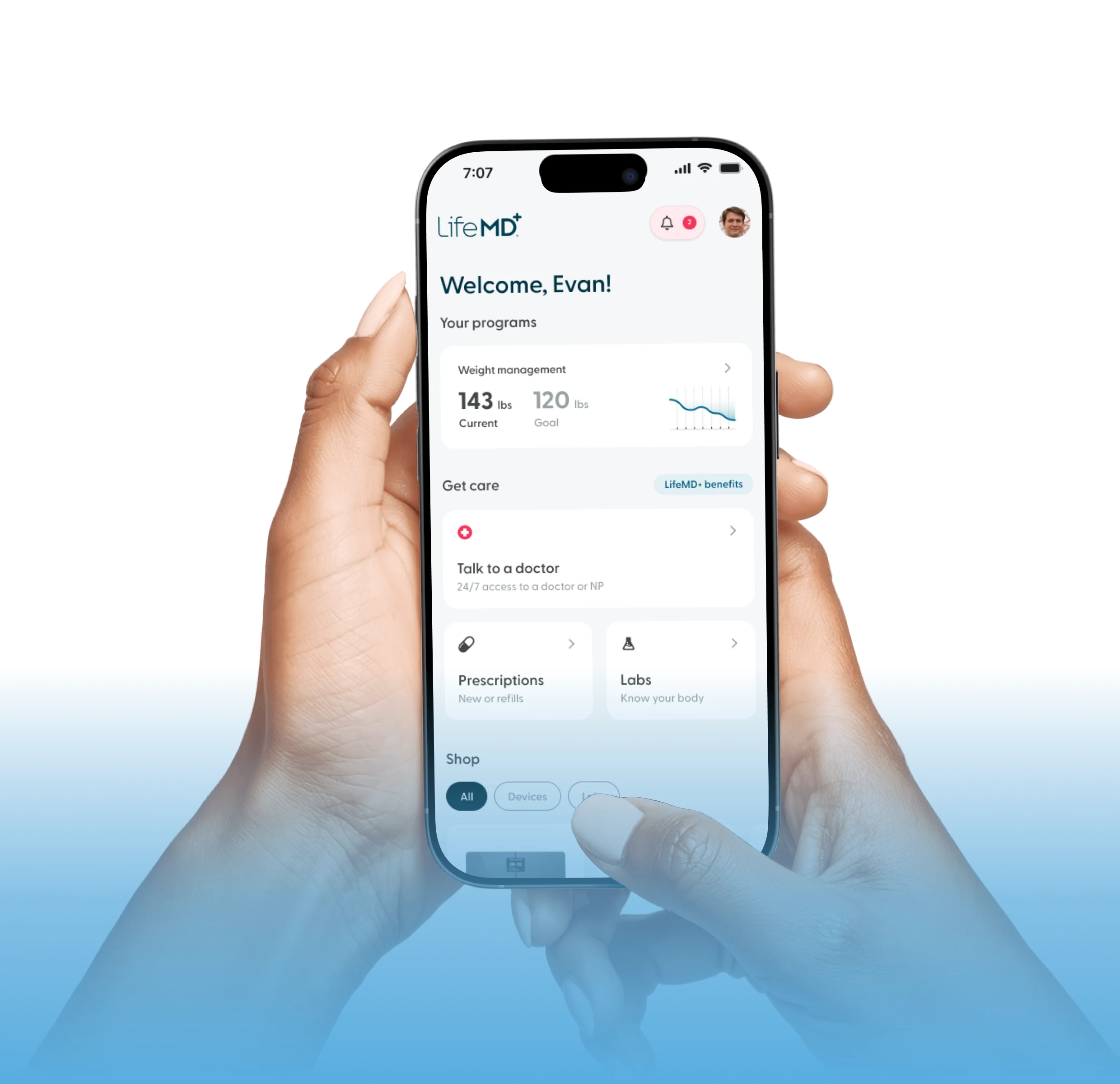
The program's clinical team is led by Dr. Tara Scott, who serves as Clinical Chair for Women's Health and Menopause Care, alongside Dr. Doug Lucas (Clinical Lead, Bone Health and Longevity). Care includes ongoing check-ins, prescription management, and a LifeMD+ membership with 24/7 access to urgent and primary care. The program also includes access to the 6S Lifestyle Program, which provides group coaching and dietitian services to support healthy aging.
If you're at the research stage and weighing your options, the most useful question to ask any program is what happens after the prescription. The care model surrounding hormone therapy is what determines whether treatment works over time.
Where Can I Learn More About the LifeMD Women’s Health Program?
Menopause care has changed significantly in recent years. The ability to access knowledgeable providers from home is a genuine shift in what's available to women navigating this stage of life.
But not every online program delivers on that promise. The difference between a program that supports your health long-term and one that simply fills a prescription comes down to what's actually built into your care: provider expertise, ongoing access, and a treatment plan that can adapt as your needs change.
If you're still weighing your options, the LifeMD Women's Health Program is a good place to start.