
You Don't Have to Just Live With it: Treatable Menopause Symptoms

Quick Read
Your symptoms may be due to hormone decline, and menopause specialist Dr. Doug Lucas says most primary care doctors miss this diagnosis entirely. This article busts the myths keeping you stuck (you need to wait, testing isn't necessary, you just have to accept it), walks through a symptom checklist to see if you need specialist care, and explains why hormone testing matters. You don't have to live with this.
Your primary care doctor said your symptoms are just aging. Your mother said this is something every woman goes through. You've accepted the fatigue, the brain fog, the weight gain despite no change in your habits, the night sweats ruining your sleep. You keep pushing through.
These aren't the inevitabilities of aging. They're symptoms of hormone decline. The problem is that most doctors aren't trained to recognize them or treat them properly.
According to Dr. Doug Lucas, Clinical Lead Bone Health and Longevity Medicine, this dismissal happens constantly. "I have women that come to me very frequently after being dismissed by their providers with just 'symptoms of aging,'" he says. "So frequently, these are clearly symptoms of hormone decline, whether it be perimenopause or postmenopause. And there is a solution that is perfect for them that can help them with their symptoms."
Dr. Doug goes on to say, “The conventional medical system doesn't understand hormones well. Every specialty should require hormone expertise because hormones interact with every system in your body. Unfortunately, that's not the system as it's built today.”
This is what needs to change. And this is why listening to your body matters.
Feel like yourself again
A licensed provider can help you understand your symptoms and determine if hormone replacement therapy is the right next step.


Myth: These Symptoms are a Normal Part of Getting Older
Reality: Menopause symptoms are signs of hormone decline, and they respond to treatment.
A symptom isn't just an inconvenience or a normal part of getting older. By definition, it's a physical or mental change that signals something deeper is going on that needs attention. It’s not normal to overheat constantly, not be able to gather your thoughts, or to lie awake all night riddled with anxiety. These are symptoms, and symptoms have causes. Your hormones are changing and your body is telling you that something needs to be addressed.
Myth: You Need to Wait Until You've Missed Your Period for a Year to Get Support
Reality: Perimenopause symptoms can start years before menopause, and they're treatable now.
Perimenopause can last around 10 years. If you're experiencing symptoms during that time, you don't have to wait it out. Treatment can start as soon as your symptoms start affecting your life. Early treatment doesn't just relieve what you're feeling now, it also protects your health down the road. Hormone therapy supports bone density, cardiovascular health, and brain function during a time when your body is most vulnerable to decline. Catching symptoms early and treating them means addressing both what's happening now and what might happen later.
Myth: Your Provider Needs to “Confirm” You’re in Menopause With a Test Before Treating Symptoms
Reality: If your symptoms fit the menopause pattern and are affecting your life, that's enough to start treatment. You don't need lab confirmation first.
Testing can provide useful health information if you want it, and LifeMD can help with that. But it's not a requirement. Many women with "normal" lab results still get dramatic symptom relief from HRT because treatment is about managing symptoms, not hitting a certain number on a test.
Do Any of These Sound Like You?
If you've started noticing some symptoms you haven't had before, it may be time to talk to a menopause specialist.
Body composition changes
Weight gain without changes to diet or exercise
More fat, especially around the midsection
Difficulty maintaining muscle mass
Clothes fitting differently despite the scale staying the same
Cognitive symptoms
Brain fog or difficulty concentrating
Memory lapses
Trouble finding words
Difficulty with decision-making
Sleep and mood
Night sweats or hot flashes
Insomnia or light, unrefreshing sleep
Mood changes or irritability
Anxiety that wasn't there before
Libido and vaginal health
Decline in sexual desire
Discomfort during sex
Increase in urinary tract infections
Other symptoms
Joint pain or stiffness
Fatigue that doesn't improve with rest
Headaches
Anxiety or panic attacks
When Should You See a Menopause Specialist?
According to Dr. Lucas, five signs point to the need for specialist care:
1. You're experiencing traditional menopause symptoms like hot flashes and night sweats that are affecting your daily life.
2. Your body is changing in ways you don't understand, without obvious cause.
3. You're experiencing brain fog or changes in cognition that concern you.
4. Your libido has changed or you're experiencing vaginal symptoms.
5. You're dealing with an increase in urinary tract infections or vaginal discomfort that your regular doctor can't explain.
If any of these apply to you, you don't need to wait.
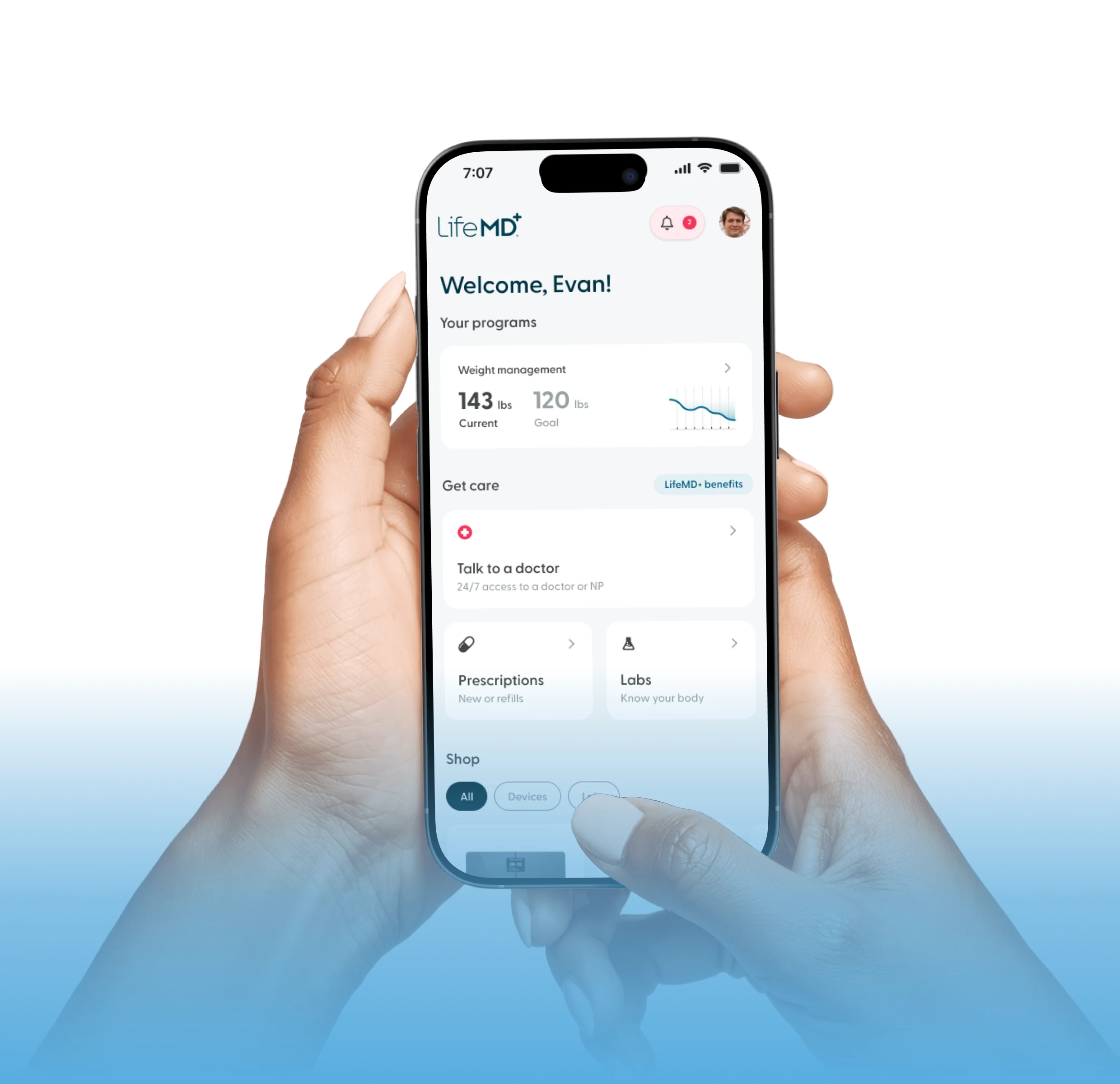
The LifeMD Women's Health Program connects you with menopause specialists who actually understand hormones. They listen to your symptoms and help create a personalized treatment plan to help you feel like yourself again. Treatment typically brings relief within weeks. And you're supported throughout, with ongoing adjustments based on how you're actually feeling.
You don't have to just live with this. Take the first step today.