Schedule
Book a telehealth appointment from wherever you are. No insurance necessary.

 Main Menu
Achieve your weight-loss goals with GLP-1 treatments like Wegovy® and Zepbound®, guided by licensed providers every step of the way.
Personalized care for women, with HRT and lifestyle support to ease menopause symptoms and restore balance.
Personalized care for men, with treatments for testosterone, sexual health, hair loss, and more.
Simple, supportive mental health care on your terms, including access to prescription medication when appropriate.
Care without the wait—connect 24/7 with licensed providers for same-day prescription refills and common concerns like colds, flu, rashes, and more.
Talk to a doctor anytime, anywhere — 24/7 urgent & primary care with a telehealth visit in under one hour.
Get your medication prescribed online and sent same-day to your local pharmacy for pickup.
Save time, money, and the hassle — no in-person visits or insurance required.


Prescription treatments are tailored to your specific condition, ensuring effective relief.

Urgent evaluation is crucial to identify your condition early and prevent complications.
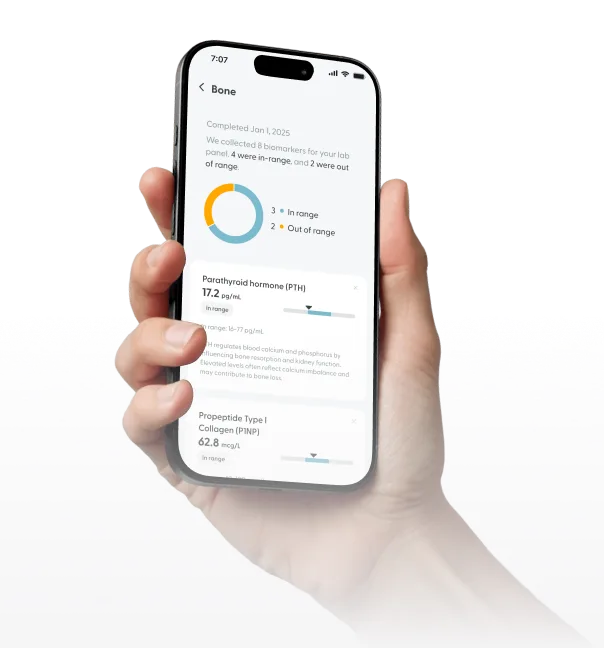
Accurate testing, if needed, can confirm your diagnosis and guide the best course of treatment

Licensed providers can send prescriptions to your local pharmacy within an hour, day or night.

step 1
Book a telehealth appointment from wherever you are. No insurance necessary.

step 2
Meet with a board-certified doctor or nurse practitioner from your mobile device.
step 3
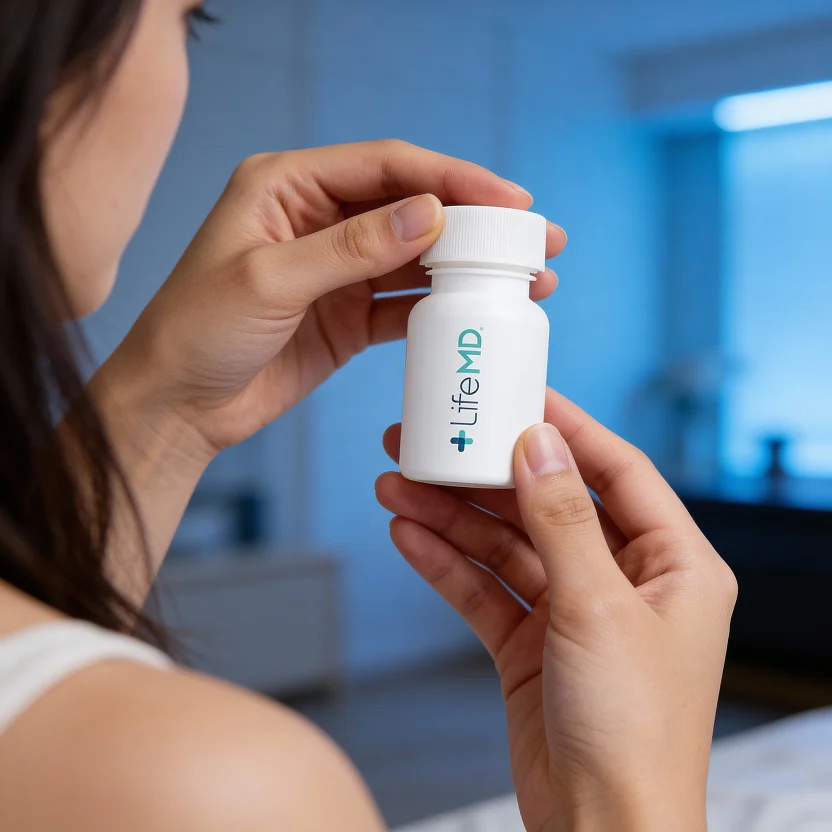
Get a prescription if needed (save up to 90%), and pick it up at your pharmacy.
Muscle aches, also known as myalgia, are painful sensations or discomfort in the muscles that can range from mild to severe and occur throughout the body. Many people confuse muscle aches with joint pain or general fatigue. Muscle aches specifically affect the muscle tissue itself and cause soreness, stiffness, or cramping, whereas joint pain affects the areas where bones meet and involves inflammation or damage to the joint structures.
Muscle aches can cause uncomfortable symptoms such as soreness or tenderness in the muscles, stiffness that makes movement difficult, dull or sharp pain that may worsen with activity, muscle weakness, and in some cases, swelling or cramping in the affected areas.
Getting the right treatment plan for muscle aches can help relieve pain, reduce inflammation, restore mobility, and address any underlying causes contributing to your discomfort.
With LifeMD, you can get immediate help and treatment online without an in-office appointment. Prescription medications can effectively manage muscle aches and help you return to your normal activities comfortably.
Get Started Get Started
Total Cholesterol

37 mg/mL
In range

LDL (Low-Density Lipoprotein)
47 mg/mL
In range

Triglycerides
158 mg/mL
Above range

“Dr. Puopolo is a very knowledgeable doctor with vast experience in different medical fields. I feel I am in good hands.”
Verified Patient

“Great experience!! Never have done online telehealth before but for sure will again :)”
Verified Patient
“Dr. Culpepper was amazing. He explained things to me that I didn’t understand.”
Verified Patient
“Dr. Sehgal was amazing! Super helpful. She was answering my questions before I even asked. Very happy I picked her.”
Verified Patient
"The appointment went great. It was quick and easy, and the doctor was right on top of things!"
Verified Patient
Reviews shown are from verified LifeMD patients across various services. Photos are for illustrative purposes only.

Cyclobenzaprine is a muscle relaxant that works by acting on the central nervous system to reduce muscle spasms and tension without directly relaxing the muscles themselves. It's particularly effective for acute muscle aches caused by injury, strain, or muscle spasms, and helps relieve pain while improving mobility. It's typically taken two to three times daily for short periods (usually two to three weeks) and can cause drowsiness, so it's often taken at bedtime. It works best when combined with rest, physical therapy, and other pain management strategies.
Methocarbamol is a muscle relaxant that works by depressing the central nervous system to reduce muscle spasms and relieve pain associated with acute musculoskeletal conditions. It helps ease muscle stiffness and discomfort from strains, sprains, or other injuries. It's typically taken three to four times daily and causes less drowsiness than some other muscle relaxants, making it a good option for people who need to remain alert during the day. It's most effective when used alongside rest, ice or heat therapy, and gentle stretching.
Meloxicam is a nonsteroidal anti-inflammatory drug (NSAID) that works by reducing inflammation and blocking pain signals in the body. While not a muscle relaxant, it's highly effective for muscle aches accompanied by inflammation, such as those from overuse, injury, or inflammatory conditions. It's typically taken once daily and provides long-lasting pain relief for up to 24 hours. It's particularly useful for chronic muscle pain or when inflammation is a significant component of the discomfort, though it should be used cautiously in people with stomach, kidney, or heart issues.

Preventing muscle aches involves several strategies focused on proper body mechanics, preparation, and recovery. Always warm up before exercise with light activity and dynamic stretching, and cool down afterward with gentle stretching to prevent strain. Stay well-hydrated and maintain proper nutrition, including adequate protein and electrolytes, to support muscle function. Gradually increase the intensity and duration of physical activities rather than jumping into strenuous exercise suddenly.
Use proper form and technique during exercise and lifting to avoid overuse injuries. Get adequate sleep, as muscles repair and recover during rest. Manage stress, which can cause muscle tension, through relaxation techniques like deep breathing, yoga, or meditation. Maintain good posture throughout the day, especially if you have a desk job, and take regular breaks to stretch. Regular low-impact exercise like walking or swimming helps maintain muscle flexibility and strength. If you have chronic conditions or work physically demanding jobs, proper body mechanics and ergonomic adjustments can significantly reduce muscle strain.
Muscle aches typically last anywhere from a few days to a couple of weeks, depending on the cause and severity. Delayed onset muscle soreness (DOMS) from exercise usually appears 24 to 48 hours after activity and resolves within three to five days. Muscle strains from acute injury may take one to three weeks to heal, with mild strains resolving faster than more severe ones. Muscle aches from viral infections like the flu typically improve within a week as the illness resolves.
Chronic muscle aches from conditions like fibromyalgia or ongoing stress may persist indefinitely without proper treatment and management. If muscle aches last longer than two weeks, worsen over time, are accompanied by severe weakness, swelling, or redness, or don't improve with rest and home care, you should consult a healthcare provider to rule out underlying conditions.
Whether you can permanently eliminate muscle aches depends on the underlying cause. Acute muscle aches from exercise, minor injury, or temporary illness typically resolve completely with rest, proper treatment, and recovery. If caused by correctable factors like poor posture, dehydration, or overtraining, addressing these issues can prevent future episodes. However, chronic muscle aches from conditions like fibromyalgia, arthritis, or chronic stress may require ongoing management rather than complete elimination.
Regular exercise, proper body mechanics, stress management, adequate sleep, and maintaining overall health can significantly reduce the frequency and severity of muscle aches. Some people may always be prone to muscle tension or soreness, but with preventive strategies and appropriate treatment when needed, muscle aches can be minimized and managed effectively to avoid disrupting daily life.
Online muscle ache treatments typically involve a virtual consultation with a licensed healthcare provider. During the consultation, you can discuss your symptoms, describe when and how the muscle aches started, explain which muscles are affected and the severity of pain, provide your medical history, and share what you've already tried for relief. Your provider will assess whether your muscle aches are from acute injury, overuse, tension, or potentially an underlying condition.
You'll then receive a personalized treatment plan with medication recommendations for pain relief and muscle relaxation, along with any necessary prescriptions. Your healthcare provider may also recommend rest, ice or heat therapy, stretching exercises, and lifestyle modifications to support recovery and prevent future episodes.
It's important to be open and honest during your consultation to help your healthcare provider determine the cause and best treatment. Be sure to provide your doctor with detailed information, such as:
• Your symptoms, including which muscles hurt, pain intensity, and whether it's constant or intermittent
• When symptoms started and what you were doing when they began
• Whether you've had recent injuries, started new exercises, or changed your activity level
• What makes the pain better or worse, and what treatments you've already tried
• Whether you have fever, weakness, swelling, or other concerning symptoms
• Underlying health conditions, current medications, or any allergies
The more information you can provide, the better your doctor can determine whether your muscle aches are from simple overuse or strain versus a more serious condition requiring further evaluation, and develop an effective treatment plan.
LifeMD offers online muscle ache treatments and can provide you with the prescriptions you need. You can have these sent to your local pharmacy, where your medication will be prepared for pick-up.
When it comes to treating muscle aches, the timeline depends on the type of medication and severity of the condition. Muscle relaxants like cyclobenzaprine or methocarbamol typically provide relief within 30 minutes to two hours of taking them, with maximum effects within a few hours. NSAIDs like meloxicam usually reduce pain and inflammation within a few hours, with full anti-inflammatory effects building over several days of consistent use. For acute muscle strains or soreness, you should notice significant improvement within three to five days with proper treatment, rest, and gentle movement. Ice or heat therapy provides relief within minutes to hours.
Chronic muscle aches may take longer to improve, often requiring one to two weeks of consistent treatment and lifestyle modifications. If muscle aches don't improve after a week of treatment, worsen, or are accompanied by severe weakness or other concerning symptoms, contact your healthcare provider for further evaluation.

Family Medicine
4.93 stars 170 reviews

Internal Medicine
4.98 stars 178 reviews

Internal Medicine
4.92 stars 261 reviews

Family Medicine
4.94 stars 178 reviews

Hormone Specialist
4.92 stars 163 reviews