
It's Just Getting Good: Healthcare Built for Women in Midlife

Quick Read
You're dealing with symptoms that are real and disruptive, and you're ready for care that takes them seriously. Midlife is a phase worth investing in, and women today have more effective, evidence-based options than any generation before. The LifeMD Women's Health Program connects you with licensed menopause providers and ongoing support built around your life. You deserve to feel like yourself in this phase, with care that helps you shape what comes next.
Menopause symptoms are real, and for decades women were told they weren’t a big deal. Women were told to quietly push through sleepless nights, achy joints, hot flashes, constant fatigue, and so many more uncomfortable realities.
Fortunately, that's changing. The science has caught up, the outdated warnings have come down, and care is finally being built around what women actually need. Menopause is still a major transition. What's new is how much control you have over the way you move through it.
At LifeMD, we recognize that this phase deserves real attention, real treatment, and real respect. With the right care, it can be a chapter you get to shape on your own terms. It's a recognition that this phase deserves real attention, real treatment, and real respect.
How is Menopause Changing for Women Today?
More women are approaching menopause as a transition they can manage, with real options for relief. Symptoms that were once brushed aside are now recognized and treated, and that opens up space to focus on what comes next. Your concerns can be heard, and your health can be planned around the life you want next.
Dr. Karen Koffler, Clinical Chair of Women's Health and Integrative Medicine at LifeMD, sees this shift in her patients every day. "We can deal now very, very effectively with a lot of the symptoms that women just quietly dealt with before."
Hormone therapy can relieve symptoms like hot flashes and night sweats, and it can help reverse some of the changes that come with declining hormones, like vaginal dryness and bone loss.
Relief from symptoms creates room for something bigger. Many women use this stage to look at where they've been and decide where they want to go.
"It's a real opportunity for women to take stock in their lives, to reflect on where they've been and really determine where they want to go from here. Unencumbered by symptoms and with a track record now of certain successes, women can move forward into this next phase in a very robust and powerful way."
You bring decades of experience, skill, and perspective into this phase. With the right care, you also get to bring your energy, your sleep, and your sense of self along with you.
Why is Women's Health at a Turning Point Right Now?
For more than 20 years, fear shaped menopause care. After the Women's Health Initiative study was published in the early 2000s, many doctors stopped prescribing hormone therapy almost overnight. A whole generation of women entered menopause with few options and little support.
In November 2025, the FDA announced it would remove the broad boxed warnings from menopausal hormone therapy after a full review of current research. The updated guidance also emphasizes timing and individualized care, moving away from the old "lowest dose for the shortest time" rule.
Dr. Doug Lucas, Clinical Lead Bone Health and Longevity Medicine, describes a medical community that's finally pulling in the same direction.
"The medical community, the doctors, and the media are now all starting to come together to really encourage the right research, the right messaging, the messaging of hope for women as they age." That shift goes beyond hormones. Women are being included in research more often, and studies are starting to focus on how women's health changes from their 30s onward.
"The science, the doctors, the medical establishment are all starting to respect that symptoms of menopause are real and tremendously impactful for women."
You're entering this phase at a time when your symptoms are recognized, the evidence is clearer, and treatment is more accessible than ever.
How Does the LifeMD Women's Health Program Fit This Stage of Life?
The LifeMD Women's Health Program is built around how women in midlife actually live. It connects you with licensed menopause specialists who understand hormone therapy and treat your symptoms as the real, life-affecting issues they are.
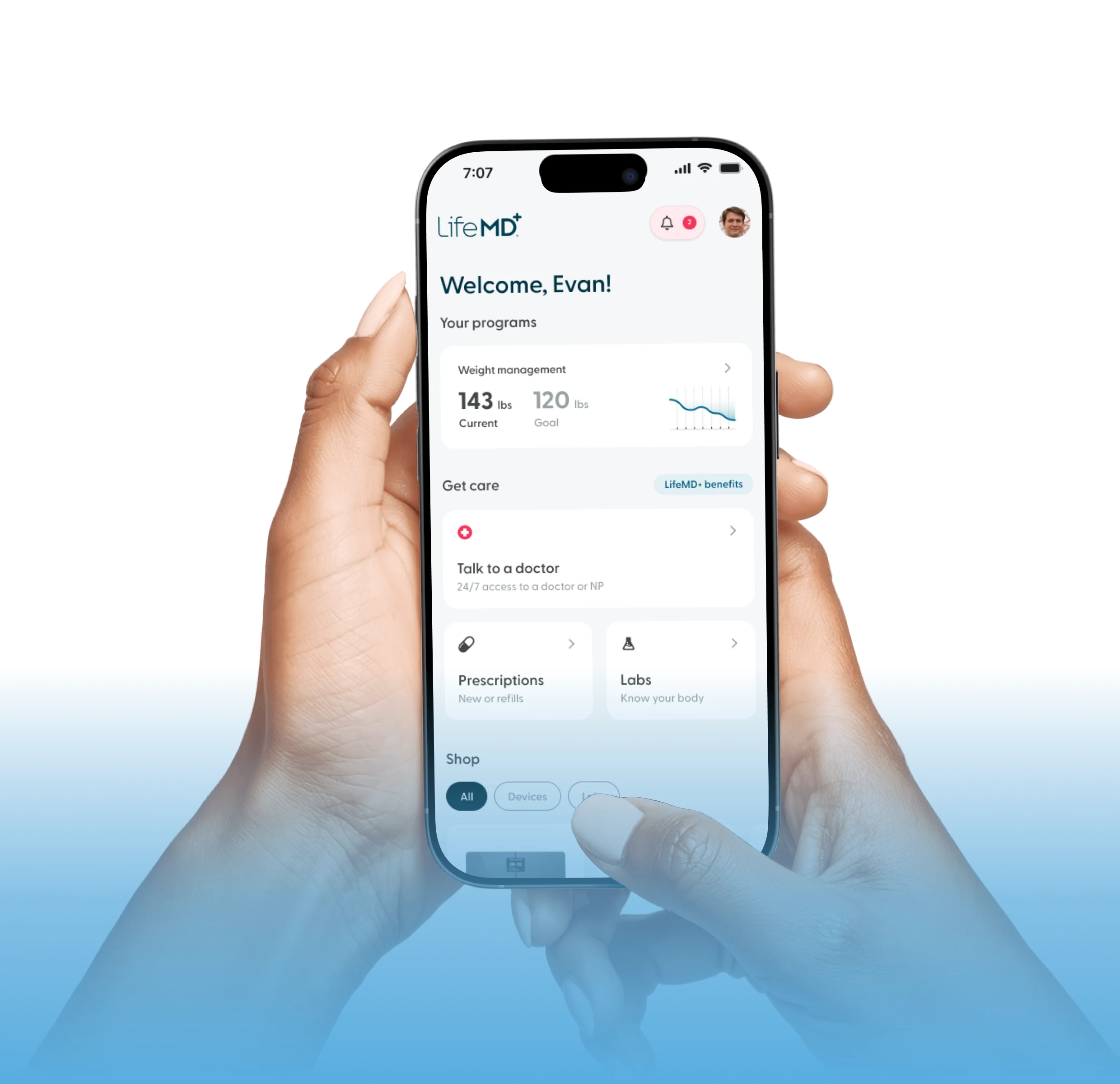
Care fits around your life. You can handle everything through messaging, from your first questions to follow-ups, without ever scheduling a video call. When you'd like to talk through your symptoms or treatment options in real time, you can book a virtual visit instead. Either way, you get support on your terms.
Here's what that looks like in practice:
Care from providers trained in menopause: Your plan is built around your symptoms, health history, and goals, whether you're in early perimenopause or years past your last period.
Online visits on your schedule: Consultations happen from your phone or computer, so care fits around work, travel, and family.
Ongoing messaging: You can reach your care team between visits whenever questions come up.
Continuity you can count on: Your history stays in one place, so your care keeps moving forward without starting over.
Medication made simple: Prescriptions are sent directly to your home or local pharmacy, with options that make it easier to stay on track.
Follow-up and monitoring: Your provider checks in, tracks your progress, and adjusts your plan as your body responds.
This is healthcare designed around women's needs from the start. It's straightforward about what it offers and what it costs, and it trusts you to decide what's right for you.
What Does Taking Control Look Like for Real Women?
Heidi and Kasi are women who came to the LifeMD Women's Health Program at different stages, with different goals. Both found care that took them seriously.
Heidi, 62: Getting her spark back
Heidi has been a nurse for 41 years. Her perimenopause symptoms started in her late 40s and grew intense, including hot flashes she could feel rising from her knees to her face. "I felt myself turning beet red, and then suddenly I felt this expulsion of hot air come through my eyeballs. My glasses fogged up."
Heidi belongs to the generation that reached menopause right after the Women's Health Initiative study, when many doctors stopped prescribing hormones. Years later, at 62, her night sweats returned, waking her two to three times a night. Joint pain and changes to her skin and hair followed.
She found LifeMD and started a treatment plan with oral progesterone and estradiol cream.
"I haven't woken up in three weeks with night sweats. I'm getting my energy levels back. I'm getting my spark back."
She travels often for work, so online care made a real difference.
"Being able to keep in touch online through the app and do the consultation through my phone was just a fabulously easy option."
Kasi: Protecting her bones and improving her sleep
Kasi started hormone therapy after an osteoporosis diagnosis, once she learned how much estrogen affects bone health after menopause. She found a provider she trusted, then lost access when that provider changed practices and her next one stopped accepting her insurance.
With LifeMD, continuity was the difference. Her plan has been adjusted along the way, from a patch to an estradiol gel and progesterone. She credits that careful, step-by-step approach for her results, and she sums it up with two phrases she's heard throughout her care: start slow, start low, and don't guess, test.
"They don't dismiss your concerns, and you feel like people are listening to you and providing the care that will help you to feel better. It's been transformational for me."
Individuals are actual patients. Individual experiences vary. Treatment plans are determined by a licensed provider based on each patient's health and needs.
How Can You Start Your Next Chapter With LifeMD?
Your symptoms are real, and so is your power to do something about them. The LifeMD Women's Health Program connects you with licensed menopause specialists who listen, build a plan around your life, and stay with you as your needs change.
This phase is yours to define. Get started today.
The information provided is not a substitute for professional medical advice and is for informational purposes only. Availability of specific treatments and offerings varies by state. Medications prescribed if clinically appropriate based on completion of required consultation.