Schedule
Book a telehealth appointment from wherever you are. No insurance necessary.

 Main Menu
Achieve your weight-loss goals with GLP-1 treatments like Wegovy® and Zepbound®, guided by licensed providers every step of the way.
Personalized care for women, with HRT and lifestyle support to ease menopause symptoms and restore balance.
Personalized care for men, with treatments for testosterone, sexual health, hair loss, and more.
Simple, supportive mental health care on your terms, including access to prescription medication when appropriate.
Care without the wait—connect 24/7 with licensed providers for same-day prescription refills and common concerns like colds, flu, rashes, and more.
Talk to a doctor anytime, anywhere — 24/7 urgent & primary care with a telehealth visit in under one hour.
Get your medication prescribed online and sent same-day to your local pharmacy for pickup.
Save time, money, and the hassle — no in-person visits or insurance required.


Prescription treatments are tailored to your specific condition, ensuring effective relief.

Urgent evaluation is crucial to identify your condition early and prevent complications.
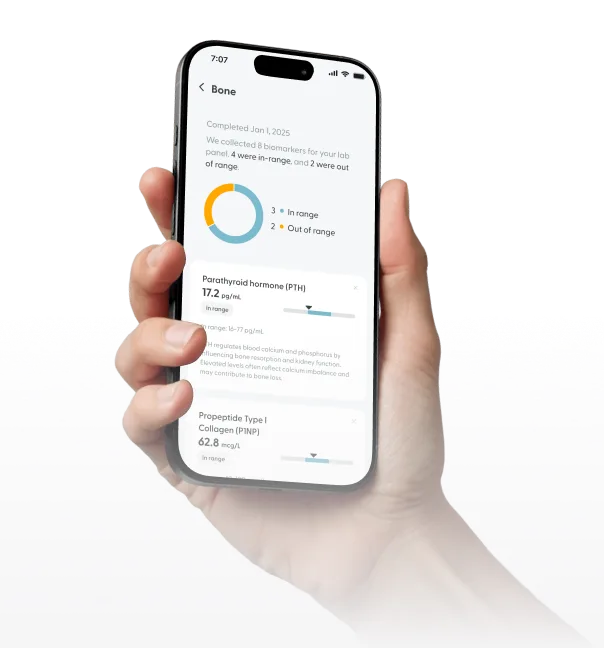
Accurate testing, if needed, can confirm your diagnosis and guide the best course of treatment

Licensed providers can send prescriptions to your local pharmacy within an hour, day or night.
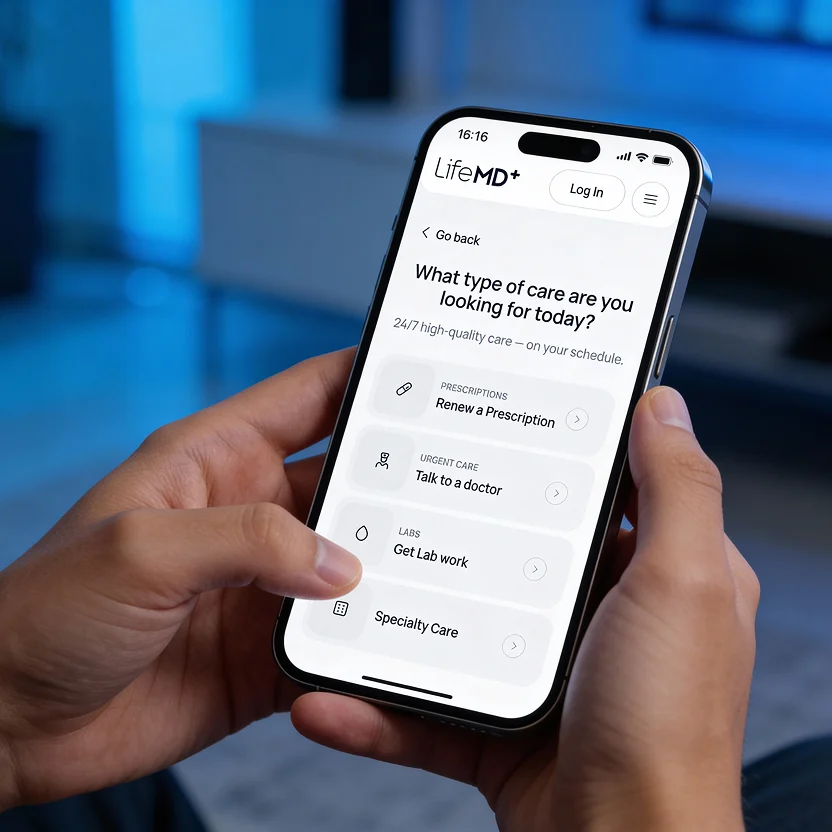
step 1
Book a telehealth appointment from wherever you are. No insurance necessary.

step 2
Meet with a board-certified doctor or nurse practitioner from your mobile device.
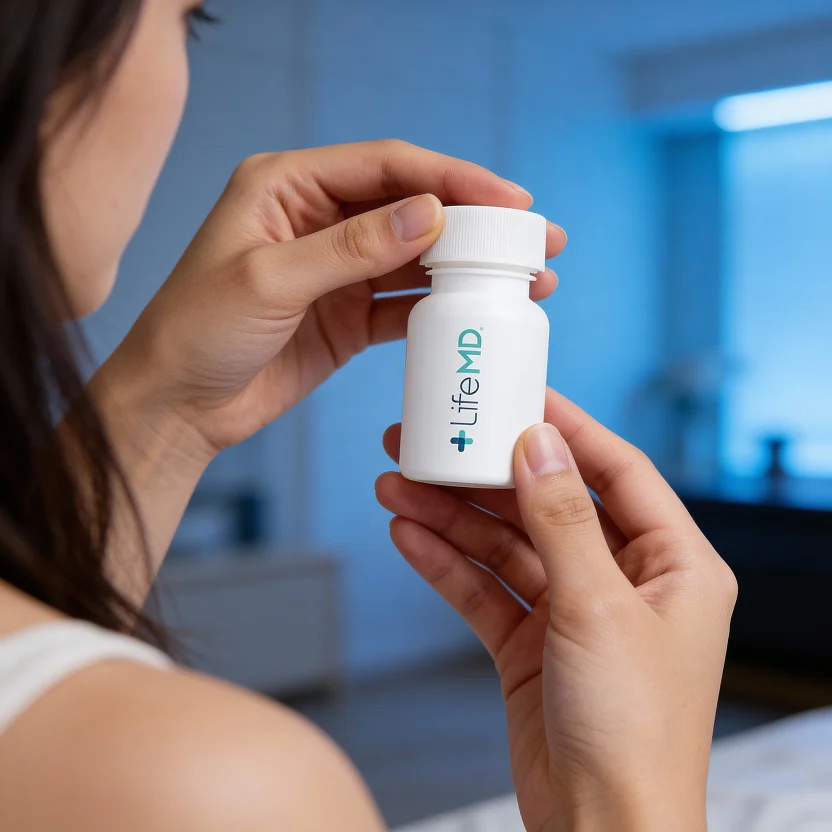
step 3
Get a prescription if needed (save up to 90%), and pick it up at your pharmacy.
Polycystic ovary syndrome (PCOS) is a hormonal disorder that affects women of reproductive age, causing irregular periods, elevated male hormone levels, and multiple small cysts on the ovaries. Many people confuse PCOS with simply having ovarian cysts or other hormonal imbalances. PCOS is a complex metabolic and hormonal condition involving irregular ovulation, excess androgens (male hormones), insulin resistance, and multiple small follicles on the ovaries, whereas isolated ovarian cysts are fluid-filled sacs that can occur independently without the broader hormonal imbalances characteristic of PCOS.
PCOS can cause uncomfortable and distressing symptoms such as irregular, infrequent, or absent periods, excess facial and body hair (hirsutism), acne and oily skin, thinning hair or male-pattern baldness, weight gain or difficulty losing weight, darkened skin patches, and difficulty getting pregnant.
Getting the right treatment plan for PCOS can help regulate menstrual cycles, manage symptoms like excess hair growth and acne, improve fertility, and reduce long-term health risks like diabetes and heart disease.
With LifeMD, you can get immediate help and treatment online without an in-office appointment. Prescription medications can effectively manage PCOS symptoms and help you feel more in control of your hormonal health.
Get Started Get Started
Total Cholesterol

37 mg/mL
In range

LDL (Low-Density Lipoprotein)
47 mg/mL
In range

Triglycerides
158 mg/mL
Above range


Metformin is a diabetes medication that works by improving how your body uses insulin, addressing the insulin resistance commonly seen in PCOS. It helps lower blood sugar levels, can promote weight loss, and often helps restore regular menstrual cycles and ovulation. It's typically taken once or twice daily with meals and may take two to three months to show full effects on menstrual regularity and metabolic improvements. Beyond regulating periods, metformin can reduce the risk of developing type two diabetes, a common long-term complication of PCOS.
Spironolactone is a medication that works by blocking androgen receptors and reducing the effects of male hormones (androgens) that are elevated in PCOS. It's highly effective for reducing excess facial and body hair growth, treating hormonal acne, and preventing hair thinning or loss. It's typically taken once or twice daily, and improvements in hair growth and acne are usually noticeable after three to six months of consistent use. It also has mild diuretic properties that can help with bloating. Women taking spironolactone should use effective birth control as it can cause birth defects.
Combination birth control pills containing estrogen and progestin work by regulating hormone levels, suppressing excess androgen production, and establishing regular menstrual cycles. They help reduce symptoms like irregular periods, acne, excess hair growth, and can protect the uterine lining from developing problems due to lack of regular periods. They're typically taken daily and provide predictable monthly bleeding. Beyond symptom management, birth control pills reduce the risk of endometrial cancer, which is elevated in women with PCOS who don't have regular periods.
“Dr. Puopolo is a very knowledgeable doctor with vast experience in different medical fields. I feel I am in good hands.”
Verified Patient

“Great experience!! Never have done online telehealth before but for sure will again :)”
Verified Patient
“Dr. Culpepper was amazing. He explained things to me that I didn’t understand.”
Verified Patient
“Dr. Sehgal was amazing! Super helpful. She was answering my questions before I even asked. Very happy I picked her.”
Verified Patient
"The appointment went great. It was quick and easy, and the doctor was right on top of things!"
Verified Patient
Reviews shown are from verified LifeMD patients across various services. Photos are for illustrative purposes only.

No, PCOS cannot be permanently cured. It's a lifelong hormonal and metabolic condition that requires ongoing management rather than a one-time cure. However, symptoms can be effectively controlled and even significantly reduced with proper treatment and lifestyle modifications. Some women find that symptoms improve naturally after pregnancy or as they approach menopause when hormonal patterns change. Weight loss of even 5-10% of body weight can dramatically improve insulin resistance, restore ovulation, and reduce symptoms like irregular periods and excess hair growth.
Medications can manage specific symptoms while you're taking them, but symptoms typically return if treatment is stopped. The good news is that with consistent management through medication, diet, exercise, and lifestyle changes, many women with PCOS live symptom-free or with minimal symptoms and can prevent long-term complications like diabetes and heart disease. The goal is finding a sustainable treatment approach that keeps symptoms under control and protects your long-term health.
PCOS is typically diagnosed based on a combination of symptoms, physical examination, blood tests, and ultrasound findings. Common signs that suggest PCOS include irregular or absent periods (fewer than eight periods per year), signs of excess androgens like facial hair, severe acne, or hair thinning, difficulty getting pregnant, weight gain or trouble losing weight, and darkened skin patches.
Your healthcare provider will typically order blood tests to check hormone levels including testosterone, LH, FSH, and insulin, as well as tests to rule out other conditions like thyroid disorders. A pelvic ultrasound may show multiple small follicles (appearing as cysts) on the ovaries, though not all women with PCOS have visible cysts.
According to standard diagnostic criteria, you typically need to meet at least two of three criteria: irregular ovulation or absent periods, elevated androgen levels or symptoms of excess androgens, and polycystic ovaries on ultrasound. If you suspect you have PCOS based on symptoms like irregular periods, excess hair growth, or difficulty conceiving, it's important to see a healthcare provider for proper evaluation and diagnosis.
Online PCOS treatments typically involve a virtual consultation with a licensed healthcare provider. During the consultation, you can discuss your symptoms including menstrual irregularities, excess hair growth, acne, weight concerns, and fertility issues, describe when symptoms started and how they affect your life, provide your medical history including previous diagnoses or testing, explain what treatments you've already tried, and share your goals whether that's regulating periods, managing symptoms, or improving fertility. Your provider will assess your symptoms and may recommend blood tests or imaging if you haven't been formally diagnosed.
You'll then receive a personalized treatment plan which may include hormonal birth control, metformin, anti-androgen medications, or other treatments based on your specific symptoms and goals. Your healthcare provider will also recommend lifestyle modifications like diet and exercise that are crucial for PCOS management. However, initial PCOS diagnosis often requires in-person blood work and ultrasound, so online care works best for ongoing management or when you've already been diagnosed.
It's important to be open and honest during your consultation to help your healthcare provider develop the most effective treatment plan. Be sure to provide your doctor with detailed information, such as:
• Your menstrual cycle patterns and how irregular they are
• Symptoms like excess hair growth, acne, hair thinning, or weight changes
• Whether you've been diagnosed with PCOS or had testing like ultrasounds or hormone labs
• Whether you're trying to conceive or want to prevent pregnancy
• Previous treatments you've tried and their effectiveness
• Family history of PCOS, diabetes, or hormonal conditions
• Underlying health conditions, current medications, or any allergies
The more information you can provide, the better your doctor can assess your PCOS, determine which symptoms are most bothersome, and prescribe appropriate medications or recommend lifestyle changes to help you manage the condition effectively.
LifeMD offers online PCOS treatment consultations and can provide you with the prescriptions you need for symptom management. You can have these sent to your local pharmacy, where your medication will be prepared for pick-up. However, if you haven't been formally diagnosed with PCOS, you may need in-person blood work and pelvic ultrasound to confirm the diagnosis before starting treatment.
When it comes to treating PCOS, the timeline varies significantly depending on the treatment and symptoms being addressed. Hormonal birth control typically takes one to three menstrual cycles to regulate periods, with improvements in acne and oily skin often noticeable within two to three months. Metformin may show improvements in menstrual regularity within two to three months, with full metabolic benefits and potential weight loss occurring over six months or longer. Spironolactone for excess hair growth and acne requires patience – improvements typically become noticeable after three to six months of consistent use, with maximum effects at one year.
Weight loss through lifestyle changes often shows benefits within two to three months, with restored ovulation and regular periods occurring after losing just 5-10% of body weight. For fertility treatments, response varies widely but often takes several months of trying with medication support. PCOS management is typically a gradual process requiring sustained effort and patience. If you don't see improvement after three to six months of consistent treatment, contact your healthcare provider to adjust your treatment plan or explore additional options.

Family Medicine
4.93 stars 170 reviews

Internal Medicine
4.98 stars 178 reviews

Internal Medicine
4.92 stars 261 reviews

Family Medicine
4.94 stars 178 reviews

Hormone Specialist
4.92 stars 163 reviews